





Snowy Owl
Bubo scandiacus
The Snowy Owl is a beautiful white bird that loves cold places! It has big yellow eyes and can be very quiet when hunting for food.
Habitat: Tundra and open fields
The Snowy Owl is a large, majestic white owl with bright yellow eyes and a round head. Males are almost pure white, while females and young owls have varying degrees of dark barring. Its dense plumage sets it apart from other owls.
Category
BirdsRarity
Rare
Danger
2/5 · Low
Snaps
2
A female Snowy Owl can lay up to 16 eggs if food is super abundant!
During "irruptions," many snowy owls fly south for winter when lemming populations crash.
Snowy owls are one of the few owl species that hunt mostly during the day!
Unlike most owls, they often perch on the ground or low rocks instead of trees.
Snowy Owl has incredibly dense feathers, even on its feet, that help them stay warm in freezing polar temperatures.
Snowy Owl can fly almost silently thanks to special fringed feathers that help them sneak up on unsuspecting prey.
Snowy Owl has asymmetrical ear openings that help them pinpoint prey by sound, even under thick snow!
Snowy Owl can rotate its head almost 270 degrees to spot prey without moving its body.
These Arctic hunters mostly eat small furry animals like lemmings and voles, but they will also catch birds.
Lemmus trimucronatus
Primary food source, especially in the Arctic tundra.
Microtus pennsylvanicus
Common prey in open grasslands during winter migration.
Lagopus lagopus
A key avian prey species in their northern range.
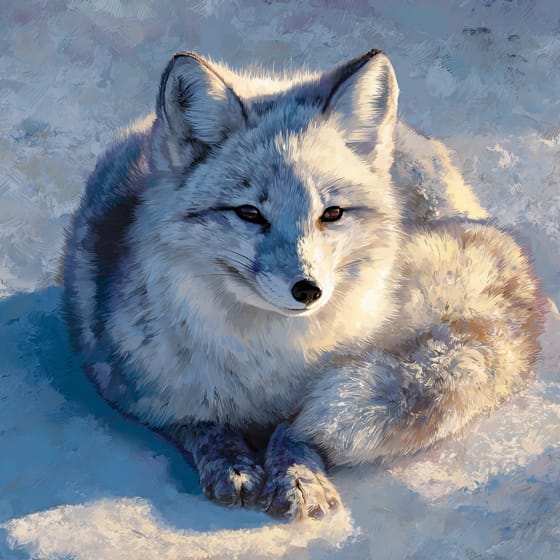
Vulpes lagopus
Known to predate on eggs and owlets in their nests.
Wildlife encompasses all undomesticated animal and plant life existing in their natural habitats.
Feathered describes animals, primarily birds, possessing a covering of feathers.
This habitat trait refers to species inhabiting tundras, which are treeless biomes characterized by permafrost, cold temperatures, and low-growing vegetation.
Forest habitats are terrestrial environments dominated by dense tree cover, supporting a high diversity of plant and animal life.

This trait identifies organisms whose diet consists entirely or primarily of animal tissue.

Nocturnal animals are primarily active during the nighttime hours, typically resting or sleeping during the day.
Danger
2/5 · Low
Watch quietly from a distance and never try to feed or chase wild animals.
The easiest way to identify Snowy Owl is to use the Snappit nature identifier app.
53-65 cm
130-150 cm
1.6-3 kg
9-10 years
50 km/h
These Arctic hunters mostly eat small furry animals like lemmings and voles, but they will also catch birds.
Tundra and open fields
Zoom in to split clusters and explore where this object has been snapped.
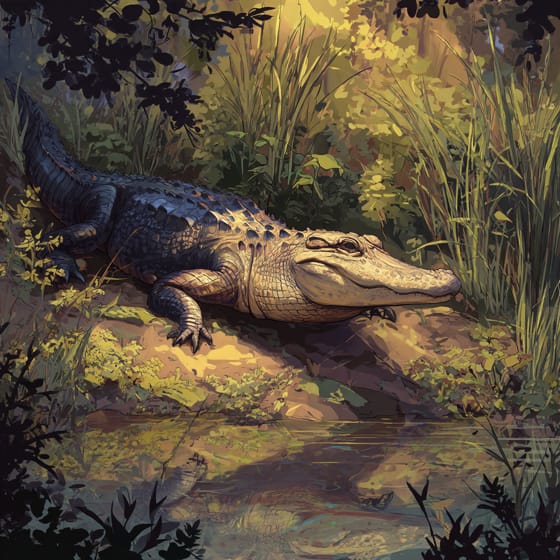
Pennsylvania, US
You might spot American Alligator, Black Bear, and Canada Lynx.
View guide →
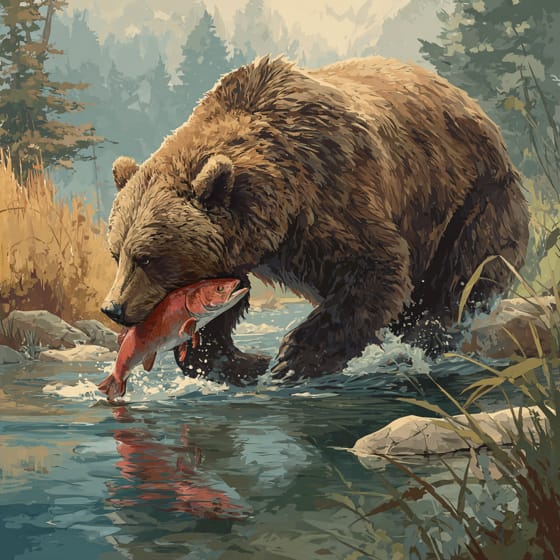
California, US
You might spot Grizzly Bear, Black Bear, and Snow Leopard.
View guide →

Lapland, FI
You might spot Polar Bear, Brown Bear, and Wolverine.
View guide →

Oregon, US
You might spot Bald Eagle, Golden Eagle, and Snowy Owl.
View guide →

England, UK
You might spot Barn Owl, Owl, and Tawny Owl.
View guide →

Indiana, US
You might spot American Bullfrog and Rattlesnake Master.
View guide →
Take the discovery with you
Snap it with Snappit to identify it, learn what makes it special, and add the discovery to your collection.






.jpg&width=800)







