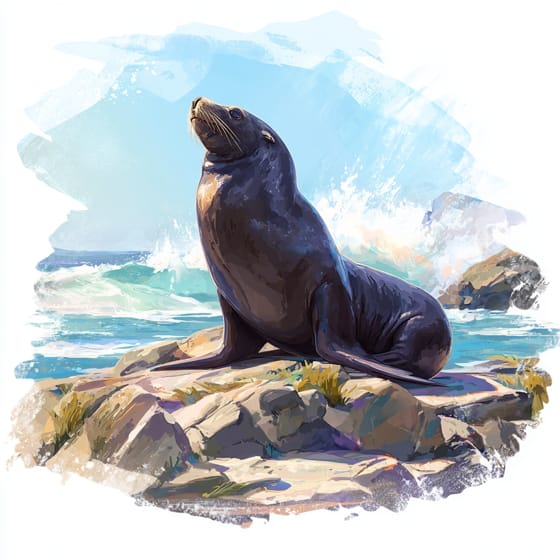





Steller Sea Lion
Eumetopias jubatus
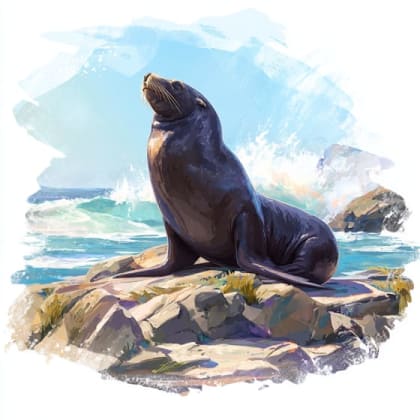
Steller Sea Lions are big, playful animals that live in the ocean. They love to bask in the sun on rocky shores and can be very loud with their barking sounds!
Habitat: Coastal areas
The Steller Sea Lion is the largest species of sea lion, displaying a golden to reddish-brown coat that often appears lighter when dry. They have a massive head and a short, blunt snout, with adult males easily identified by their much thicker neck and broad chest.
Category
MammalsRarity
Common
Danger
3/5 · Moderate
Snaps
26
Male Steller Sea Lions can grow longer than a king-size bed and weigh more than a small car!
Pups are born with a dark, furry coat and learn to swim almost immediately after birth!
These sea lions often gather in enormous groups, called rookeries, with thousands of individuals!
They have super sensitive whiskers that help them feel for fish, even in the darkest ocean depths!
Steller Sea Lion has powerful flippers and a streamlined body that helps them quickly chase fish and squid underwater.
Steller Sea Lion can dive over 400 meters deep because of their ability to slow their heart rate and hold their breath for long periods.
Steller Sea Lion has a thick layer of blubber under their skin that helps them stay toasty warm in the icy North Pacific waters.
Steller Sea Lion can make incredibly loud roars and barks, which helps them communicate with thousands of other sea lions in a colony.
These big hunters eat a variety of fish and squid from the cold ocean waters.
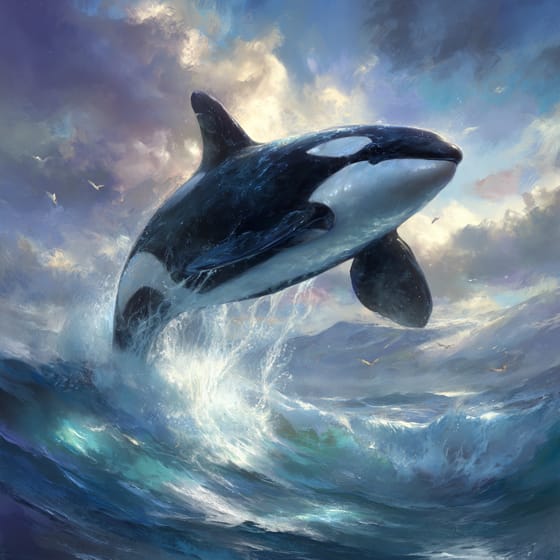
Orcinus orca
A major predator, hunting pups and sometimes adults.
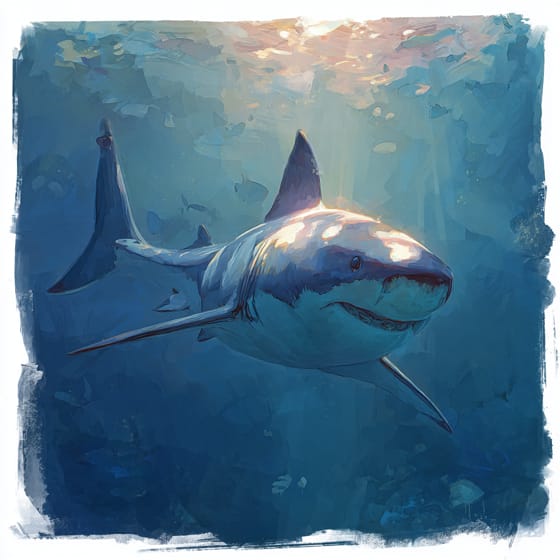
Carcharodon carcharias
Known to prey on younger or smaller sea lions.
Theragra chalcogramma
A significant and frequent prey species for Steller Sea Lions.
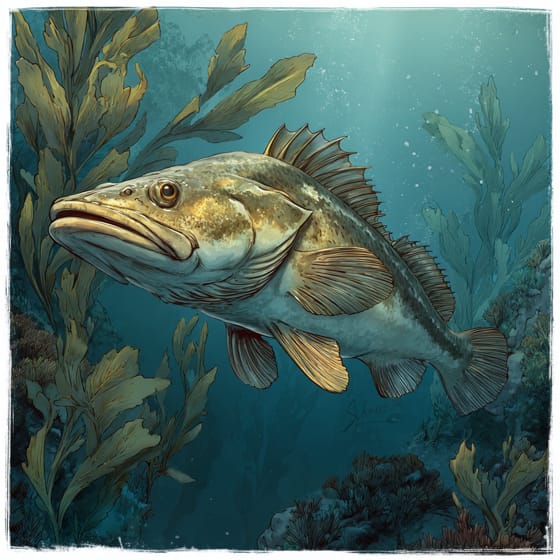
Gadus macrocephalus
An important part of their diet in many regions.
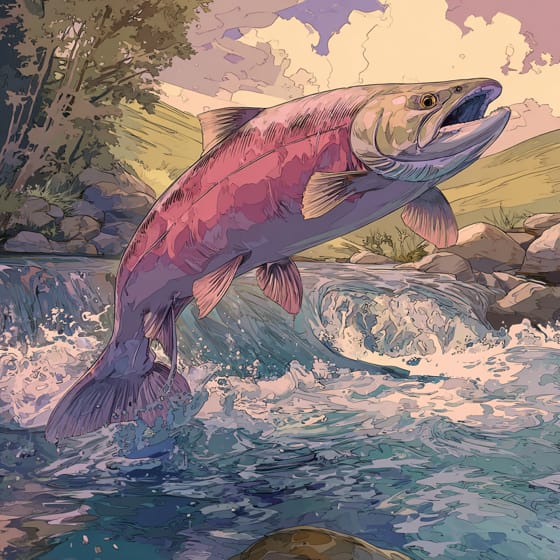
Oncorhynchus gorbuscha
A common prey species, especially during migrations.
Furry describes animals possessing a dense covering of soft hair or fur.
Social animals live in organized groups, cooperating for survival benefits such as foraging, defense, and raising offspring.
Piscivorous organisms are animals that primarily subsist on a diet of fish.
Coastal habitats are dynamic environments located along the interface between land and sea, influenced by tides, waves, and saltwater.

This trait identifies organisms whose diet consists entirely or primarily of animal tissue.

Diurnal animals are primarily active during daylight hours, typically resting or sleeping at night.

Describes a species whose presence and role have a disproportionately large effect on its environment.

Giant describes organisms or objects of significantly larger size than average for their species or type.

Marine habitats encompass all saltwater environments of the Earth's oceans, supporting an immense diversity of aquatic life.

Endangered status indicates a species is at a very high risk of extinction in the wild in the near future.
Danger
3/5 · Moderate
Always watch from a distance and never approach wild sea lions, as they can be protective of their space.
The easiest way to identify Steller Sea Lion is to use the Snappit nature identifier app.
230-320 cm
250-1120 kg
15-20 years
27 km/h
These big hunters eat a variety of fish and squid from the cold ocean waters.
Coastal areas
Pursuit
Zoom in to split clusters and explore where this object has been snapped.

Connecticut, US
You might spot Beluga Whale, African Penguin, and Sea Lion.
View guide →

Alaska, US
You might spot Steller Sea Lion, Harbor Seal, and Tufted Puffin.
View guide →

US
You might spot Humpback Whale, Steller Sea Lion, and Orca.
View guide →

British Columbia, CA
You might spot Broad-Leaved Stonecrop, Harbor Seal, and Ochre Sea Star.
View guide →
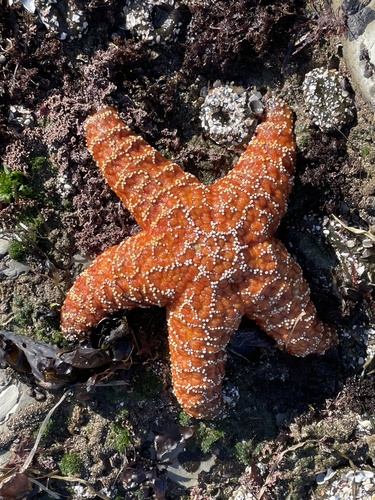
British Columbia, CA
You might spot Ochre Sea Star, Fringe Cups, and Moonglow Anemone.
View guide →
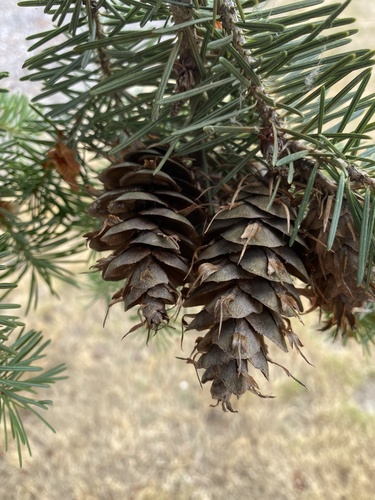
British Columbia, CA
You might spot Douglas Fir, Pacific Madrone, and Rough-Skinned Newt.
View guide →
Take the discovery with you
Snap it with Snappit to identify it, learn what makes it special, and add the discovery to your collection.





.jpg&width=800)


.JPG&width=800)



.jpg&width=800)
