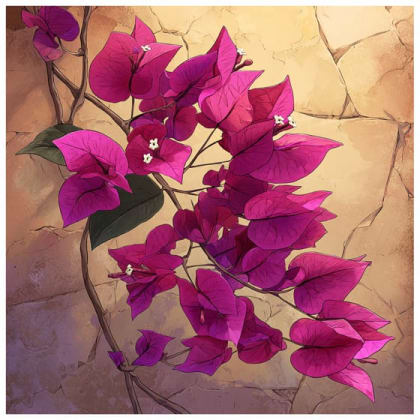
Quince Bush
Cydonia oblonga
Quince Bush is a lovely shrub that produces fragrant flowers and tasty fruits. It is a favorite among gardeners!
Habitat: Gardens and orchards
The Quince Bush is a deciduous shrub with twisting branches and oval, grey-green leaves. Its showy, pale pink to white cup-shaped flowers appear in spring, followed by large, fuzzy, golden-yellow fruits that resemble a lumpy apple or pear.
Category
PlantsRarity
Rare
Danger
1/5 · Very low
Snaps
Be the first to snap!
Ancient Greeks thought quince symbolized love and happiness, often given as wedding gifts!
Quince trees can live for 50 years or even longer, providing fruit for generations.
The fruit's powerful, sweet perfume was once used to naturally freshen homes.
You can't eat raw quince fruit; it's too tart, but becomes delicious when cooked!
Quince Bush can withstand cold winters and various soil types, helping it survive in diverse climates.
Its large, pinkish-white flowers emit a sweet scent, attracting bees for effective pollination.
The developing quince fruit is covered in soft fuzz, which may deter some pests.
Ripe fruits release a strong, distinctive aroma that deters some herbivores while attracting dispersers.
Apis mellifera
Attracted to its nectar-rich flowers.
Malacosoma americana
Larvae feed on the leaves of the bush.
Homo sapiens
Cultivated for its fruit and as an ornamental.
Cydia pomonella
Larvae bore into and damage the developing fruit.
Deciduous plants periodically shed all their leaves, typically during autumn or dry seasons.
A shrub is a woody plant smaller than a tree, typically with multiple stems branching from or near the ground.
Spring blooming plants produce their flowers during the spring season, often signifying the end of winter and the start of new growth.
Fragrant flowers emit a pleasant aroma, often to attract pollinators or for defense.

Fruit-bearing plants produce fruits, which are the mature ovaries of flowering plants containing seeds.

Edible plants are those parts of a plant that are considered safe for human consumption.

Describes organisms that transfer pollen, enabling the fertilization and reproduction of plants.
No aliases listed yet.
Danger
1/5 · Very low
Explore with care and ask an adult if you’re unsure what to do.
300-600 cm
300-600 cm
4-5 cm
Spring
Yes
None
Perennial
Insect
Zoom in to split clusters and explore where this object has been snapped.
Recent snaps will appear here as new observations are added.