





Plumbago
Plumbago
Plumbago is a bush with lovely blue flowers that bloom in clusters. It’s a great plant for attracting butterflies to your garden!
Habitat: Gardens and sunny areas
The Plumbago is a sprawling shrub known for its clusters of beautiful sky-blue (or sometimes white) trumpet-shaped flowers, often with five petals. Its vivid blooms stand out against bright green, oval leaves, creating a vibrant display.
Category
PlantsRarity
Rare
Danger
1/5 · Very low
Snaps
Be the first to snap!
Butterflies and bees love to visit Plumbago, enjoying its sweet nectar!
In some cultures, Plumbago roots were used to create a beautiful blue dye!
Its name means 'like lead' in Latin, as it was thought to cure lead poisoning!
The flowers are so sticky they can catch small insects, like natural flypaper!
Plumbago has sticky seed pods that cling to fur and clothes, helping its seeds travel far and wide to grow new plants.
Plumbago can survive long dry periods by slowing down its growth and conserving water, making it tough in sunny climates.
Plumbago can quickly grow and spread, covering large areas and providing beautiful blooms over a long season.
Apis mellifera
Collects nectar and pollen from flowers.
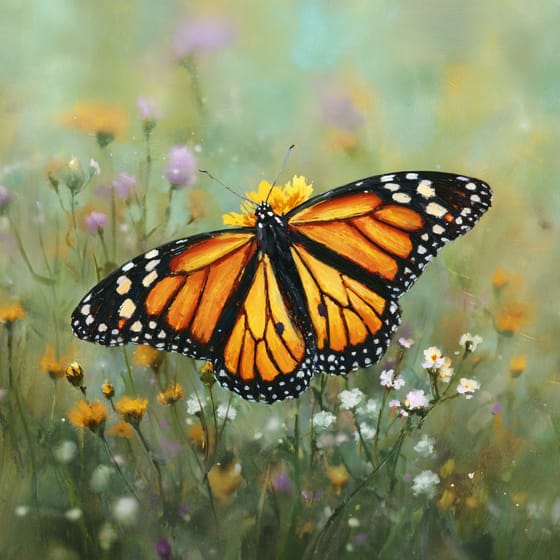
Danaus plexippus
Visits flowers for nectar.
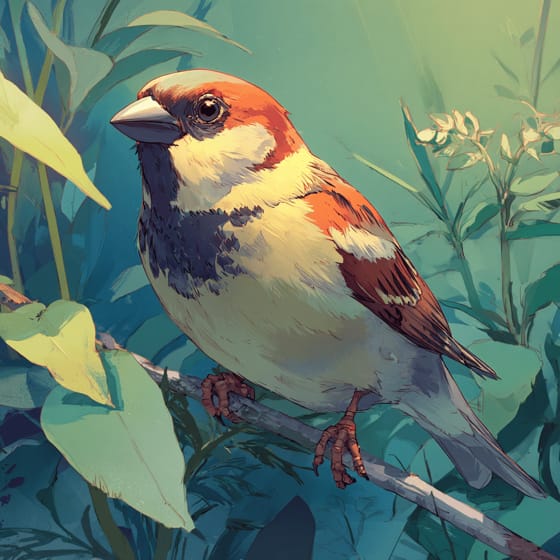
Passer domesticus
Uses dense foliage for nesting and roosting.
Aphis gossypii
Sucks sap from leaves and stems.
Cluster flowers are inflorescences where individual flowers are arranged closely together on a common stem.
A shrub is a woody plant smaller than a tree, typically with multiple stems branching from or near the ground.
Summer blooming plants produce their flowers during the summer season, often providing vibrant color when many other plants have finished.
Everblooming plants produce flowers continuously or in repeated flushes over a long period.

Fragrant flowers emit a pleasant aroma, often to attract pollinators or for defense.
Danger
1/5 · Very low
Explore with care and ask an adult if you’re unsure what to do.
The easiest way to identify Plumbago is to use the Snappit nature identifier app.
100-300 cm
200-400 cm
2-3 cm
Spring to Fall
No
Mild
Perennial
Zoom in to split clusters and explore where this object has been snapped.
Recent snaps will appear here as new observations are added.
Take the discovery with you
Snap it with Snappit to identify it, learn what makes it special, and add the discovery to your collection.









.jpg&width=800)


_001.jpg&width=800)




