

Sable Antelope
Hippotragus niger
The Sable Antelope is a majestic African mammal with striking black and white markings. They are known for their impressive curved horns and graceful movements in the savannas.
Habitat: Savannas
The Sable Antelope has a striking appearance. Males are glossy black with crisp white facial markings and underparts, while females and young are chestnut brown. Both sexes sport magnificent, long, ringed, scimitar-shaped horns that curve gracefully backwards.
Category
MammalsRarity
Common
Danger
2/5 · Low
Snaps
Be the first to snap!
A newborn sable calf can stand and run within minutes of being born!
Male Sable Antelopes become much darker, almost black, as they get older!
Sable Antelopes perform "ritualized fighting" to establish dominance, often without serious injury.
Their impressive horns are heavily ridged and used for both defense and attracting mates!
Sable Antelope has a keen sense for locating water sources, which helps them survive in drier savanna regions.
Sable Antelope forms large herds, which helps them stay safe by making it harder for predators to pick out one.
Sable Antelope calves have cryptic brown coats that help them blend into the bush, avoiding detection from predators.
These herbivores love munching on medium-height grasses, leaves, and tender shoots from bushes.
Panthera leo
Lions are primary predators of Sable Antelopes.
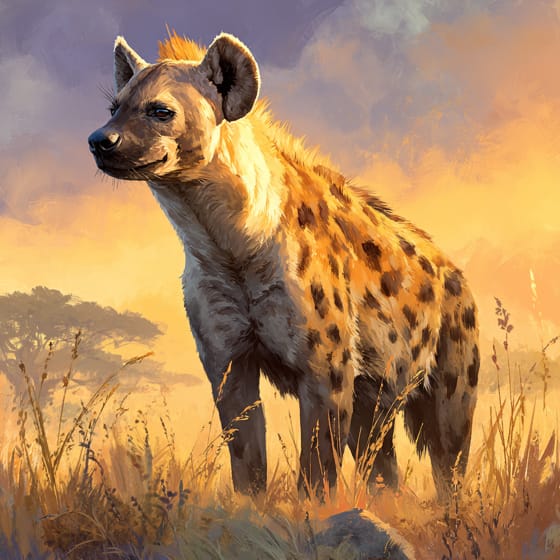
Crocuta crocuta
Hyenas often target young or weakened Sable Antelopes.
Themeda triandra
Sable Antelopes extensively graze on this common savanna grass.
Acacia tortilis
They browse on the leaves and pods from certain trees and shrubs.
Wildlife encompasses all undomesticated animal and plant life existing in their natural habitats.
Furry describes animals possessing a dense covering of soft hair or fur.
Social animals live in organized groups, cooperating for survival benefits such as foraging, defense, and raising offspring.
Characterized by having one or more hard, permanent, pointed projections on the head.

This trait characterizes organisms whose diet consists entirely or primarily of plant material.

This habitat trait denotes species native to savannas, which are grasslands with scattered trees, typically found in tropical or subtropical regions with distinct wet and dry seasons.

This trait signifies organisms belonging to a very old evolutionary group with ancestors dating back millions of years.

Diurnal animals are primarily active during daylight hours, typically resting or sleeping at night.
No aliases listed yet.
Danger
2/5 · Low
Admire the Sable Antelope from a safe distance and never approach them in the wild.
190-270 cm
180-270 kg
16-19 years
60 km/h
These herbivores love munching on medium-height grasses, leaves, and tender shoots from bushes.
Savannas
Grazing
1
Zoom in to split clusters and explore where this object has been snapped.
Recent snaps will appear here as new observations are added.