





Black-tailed Jackrabbit
Lepus californicus
The Black-tailed Jackrabbit is a speedy hare with long ears and a black stripe on its tail. It lives in open areas and can leap great distances to escape from predators.
Habitat: Desert
The Black-tailed Jackrabbit has incredibly long ears with distinctive black tips. Its fur is sandy brown or buff, providing excellent camouflage in dry landscapes. A prominent black stripe runs along the top of its long tail, which is white underneath, unlike true rabbits.
Category
MammalsRarity
Common
Danger
2/5 · Low
Snaps
11
Baby jackrabbits are born with fur and open eyes, ready to hop around!
Jackrabbits are not true rabbits; they are actually a type of hare!
They can communicate danger to others by thumping their powerful hind legs!
They eat their own special poop to get extra nutrients!
Black-tailed Jackrabbits can leap up to 20 feet in a single bound, helping them escape predators quickly across open ground.
Black-tailed Jackrabbits have super long ears packed with blood vessels that help them release excess body heat in scorching desert environments.
Black-tailed Jackrabbits can run in sudden, unpredictable zigzags, making it incredibly hard for predators to catch them.
These herbivores munch on grasses, shrubs, and even cacti in their desert homes.
Wildlife encompasses all undomesticated animal and plant life existing in their natural habitats.
Furry describes animals possessing a dense covering of soft hair or fur.
Grassland habitats are terrestrial biomes dominated by grasses and herbaceous plants, supporting a variety of grazing animals.
This trait characterizes organisms whose diet consists entirely or primarily of plant material.

Desert habitats are arid regions characterized by extremely low precipitation and often extreme temperatures, supporting specialized flora and fauna.

This trait identifies organisms that exhibit exceptional swiftness in movement for hunting, escape, or travel.

Nocturnal animals are primarily active during the nighttime hours, typically resting or sleeping during the day.
Danger
2/5 · Low
Observe from a safe distance and avoid approaching them to prevent stress.
The easiest way to identify Black-tailed Jackrabbit is to use the Snappit nature identifier app.
50-70 cm
2-4 kg
1-5 years
70 km/h
These herbivores munch on grasses, shrubs, and even cacti in their desert homes.
Desert
Foraging
Zoom in to split clusters and explore where this object has been snapped.

California, US
You might spot Northern Harrier and Black-Tailed Jackrabbit.
View guide →

Oregon, US
You might spot Granite Prickly Phlox, Red-Tailed Hawk, and Pronghorn.
View guide →

Arizona, US
You might spot Common Raven, Gambel Oak, and Vulture.
View guide →

California, US
You might spot Crotalus Cerastes, Creosote Bush, and Bladderpod.
View guide →
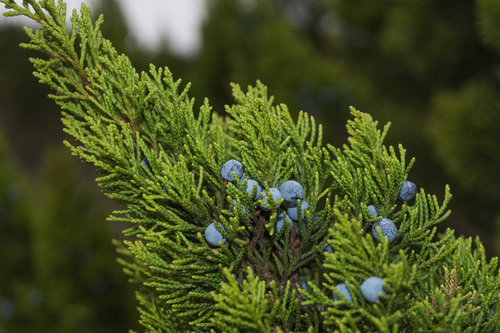
Texas, US
You might spot Ashe Juniper, Texas Bluebonnet, and Texas Live Oak.
View guide →

California, US
You might spot Pacific Hound's Tongue, Pacific Trillium, and Redwood.
View guide →
Take the discovery with you
Snap it with Snappit to identify it, learn what makes it special, and add the discovery to your collection.






.jpg&width=800)



.JPG&width=800)

.jpg&width=800)
