






Roach
Rutilus rutilus
Roaches are shiny, silver-colored fish that love to swim in rivers and lakes. They are very social and often swim in groups with their friends.
Habitat: Freshwater rivers and lakes
The Roach is a sleek, silvery-scaled fish with a streamlined body and a slightly olive-green back. Its most distinguishing features are its bright red eyes and vibrant red-orange pelvic and anal fins.
Category
FishRarity
Common
Danger
2/5 · Low
Snaps
Be the first to snap!
A large group of roach swimming together is called a 'shoal'!
Roach eggs are super sticky and can travel on bird feathers to new ponds!
Roach fish change their body color slightly to blend in with their surroundings!
These fish can survive in water with surprisingly low oxygen levels!
Roach can thrive in many water conditions because of their robust physiology that helps them survive pollution and varying temperatures.
Roach can group into large schools because of their social instinct that helps them confuse predators and find food more efficiently.
Roach has a keen sense of taste with taste buds all over its body that helps them detect tiny food particles even in murky water.
Young Roach can grow quickly because of their efficient feeding that helps them reach a size to avoid many predators faster.
Roach are omnivores, munching on tiny plants, insects, and even other small critters they find.
Age differences: Young roach eat more plankton; adults broaden their diet to include larger insects and plants.
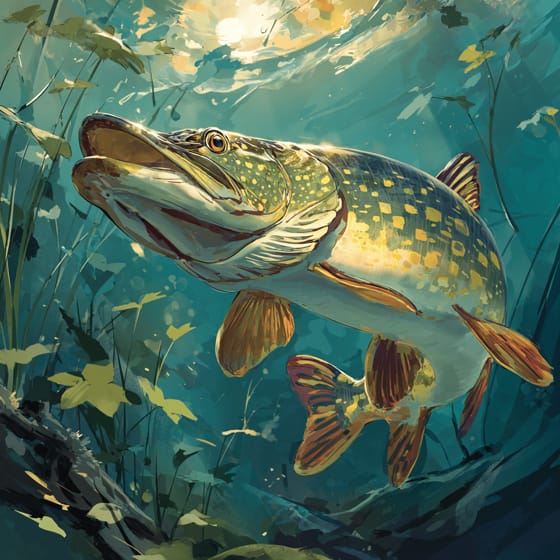
Esox lucius
Pike hunt Roach as a primary food source.
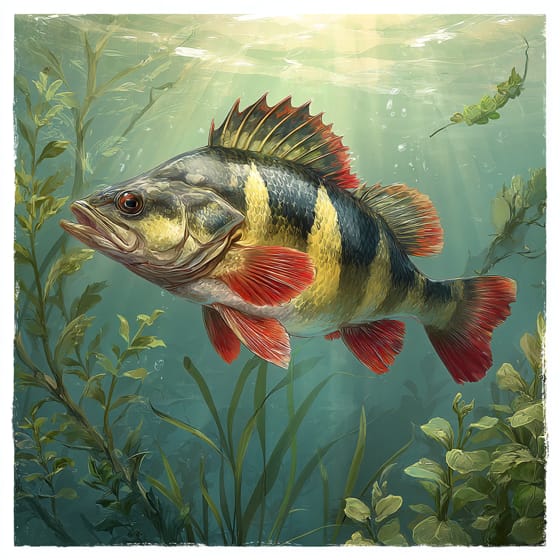
Perca fluviatilis
Young Roach are common prey for larger Perch.
Chironomus plumosus
Roach consume midge larvae from lake sediment.
Daphnia pulex
Roach filter-feed on microscopic water fleas.
Wildlife encompasses all undomesticated animal and plant life existing in their natural habitats.
Social animals live in organized groups, cooperating for survival benefits such as foraging, defense, and raising offspring.
This trait identifies organisms whose diet includes both plant and animal matter.
This trait characterizes organisms whose diet consists entirely or primarily of plant material.

Freshwater habitats include non-saline aquatic environments such as rivers, lakes, ponds, and wetlands, vital for numerous species.

Aquatic habitats encompass environments where organisms live predominantly in water, including oceans, rivers, lakes, and wetlands.
No aliases listed yet.
Danger
2/5 · Low
Watch quietly from a distance and never try to feed or chase wild animals.
20-50 cm
0.1-2 kg
5-20 years
Roach are omnivores, munching on tiny plants, insects, and even other small critters they find.
8 km/h
Freshwater rivers and lakes
Foraging
15 m
Zoom in to split clusters and explore where this object has been snapped.
Recent snaps will appear here as new observations are added.















