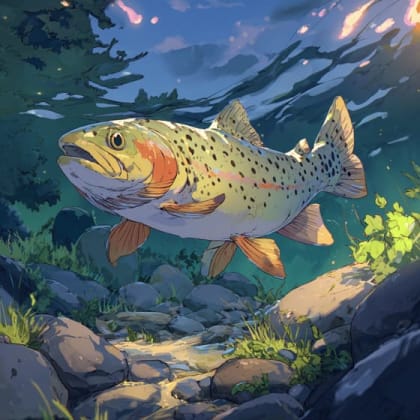
Northern Pike
Ptychocheilus oregonensis
The Northern Pike is a long and sleek fish that can be quite fast! It loves to hide in weeds and ambush its prey.
Habitat: Lakes and rivers
The Northern Pike has an elongated, olive-green body with yellowish-white bean-shaped spots and a distinctive duck-bill-shaped snout. Its fins are often reddish, and its dorsal fin is set far back, differentiating it from many other freshwater fish.
Category
FishRarity
Rare
Danger
2/5 · Low
Snaps
Be the first to snap!
Northern Pike can even eat small ducks or unlucky mice!
Pike are sometimes called "water wolves" because they are top predators!
Their powerful tail allows incredible bursts of speed from a standstill!
They have taste buds on their jaws and lips to "taste" the water!
Northern Pike can ambush prey perfectly because of their camouflaged bodies and lightning-fast strike from still positions.
Northern Pike has rows of razor-sharp teeth that help them grasp and hold slippery prey securely.
Northern Pike has a dorsal fin located far back on its body that helps them propel forward with incredible speed.
Northern Pike are fierce predators, eating mostly other fish and anything smaller that moves!
Age differences: Young pike eat insects and smaller fish, switching to larger fish and prey as they grow.
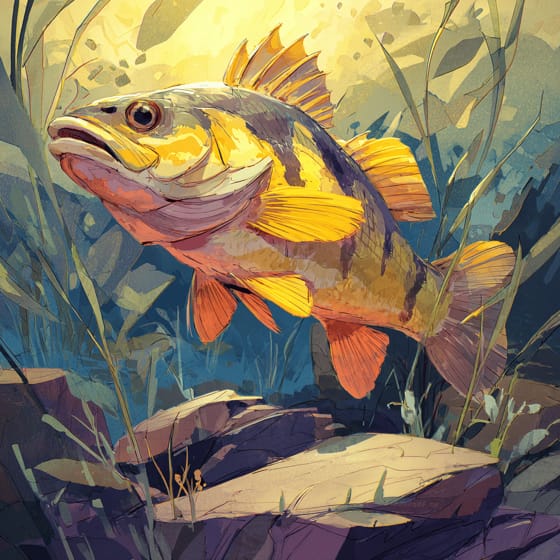
Perca flavescens
A primary food source in many lakes.
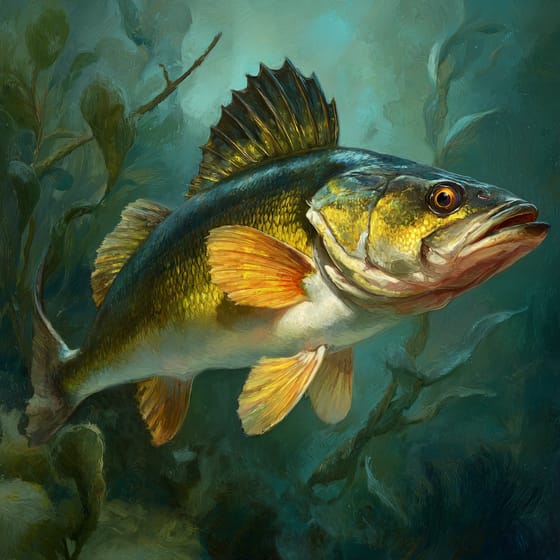
Sander vitreus
Larger pike actively prey on adult walleye.
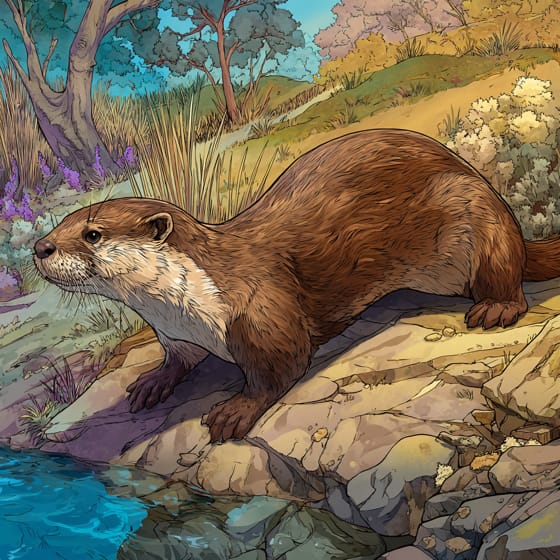
Lutra canadensis
Otters are skilled hunters of fish, including pike.
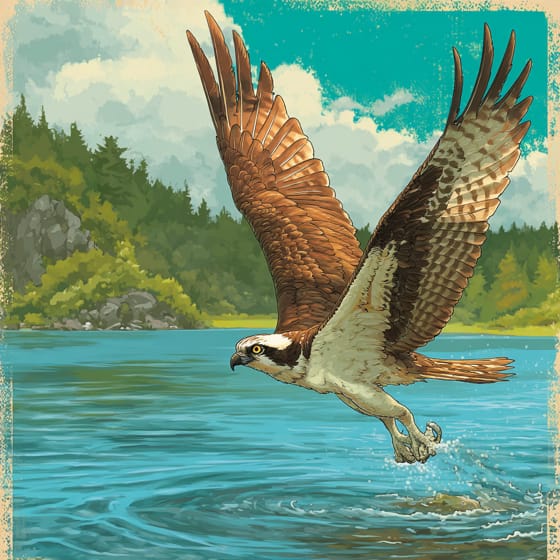
Pandion haliaetus
These raptors dive to catch fish like pike.
Colorful describes organisms or objects displaying a wide range of bright and distinct colors.
Piscivorous organisms are animals that primarily subsist on a diet of fish.
An ambush predator hunts by patiently waiting and concealing itself, then launching a sudden attack when unsuspecting prey comes within range.
This trait signifies organisms belonging to a very old evolutionary group with ancestors dating back millions of years.

This trait characterizes organisms with an exceptionally long lifespan compared to others of their kind.

Freshwater habitats include non-saline aquatic environments such as rivers, lakes, ponds, and wetlands, vital for numerous species.

This trait identifies organisms that exhibit exceptional swiftness in movement for hunting, escape, or travel.

Aquatic habitats encompass environments where organisms live predominantly in water, including oceans, rivers, lakes, and wetlands.
Danger
2/5 · Low
Watch quietly from a distance and never try to feed or chase wild animals.
The easiest way to identify Northern Pike is to use the Snappit nature identifier app.
40-100 cm
1-10 kg
10-15 years
Northern Pike are fierce predators, eating mostly other fish and anything smaller that moves!
15 km/h
Lakes and rivers
Ambush
Zoom in to split clusters and explore where this object has been snapped.
Recent snaps will appear here as new observations are added.
Take the discovery with you
Snap it with Snappit to identify it, learn what makes it special, and add the discovery to your collection.