Red Fountain Grass
Pennisetum setaceum
Red Fountain Grass is a decorative grass that has reddish-purple plumes. It adds a splash of color to gardens!
Habitat: Gardens and sunny areas
The Red Fountain Grass has graceful, arching clumps of narrow, reddish-purple leaves. Its most striking feature is the soft, bottlebrush-like flower plumes that emerge in summer, often in shades of pink, burgundy, or reddish-brown, swaying gently. These feathery plumes stand out vividly against its foliage, giving it a distinctive 'fountain' shape.
Category
PlantsRarity
Common
Danger
1/5 · Very low
Snaps
Be the first to snap!
Despite its beauty, it's considered an invasive weed in many warm regions across the globe!
It earned its name because its arching leaves and plumes resemble a watery fountain!
Its seeds are so tiny, one plant can produce thousands, ready to drift away on the breeze!
Originally from North Africa, it now grows on every continent except icy Antarctica!
Red Fountain Grass can thrive in dry, sandy soils thanks to its efficient root system that helps it find and store water.
This grass produces abundant, fluffy seeds that are easily carried by the wind, helping it spread and colonize new areas.
Red Fountain Grass can quickly regrow after disturbances like fire, using stored energy to sprout fresh shoots.
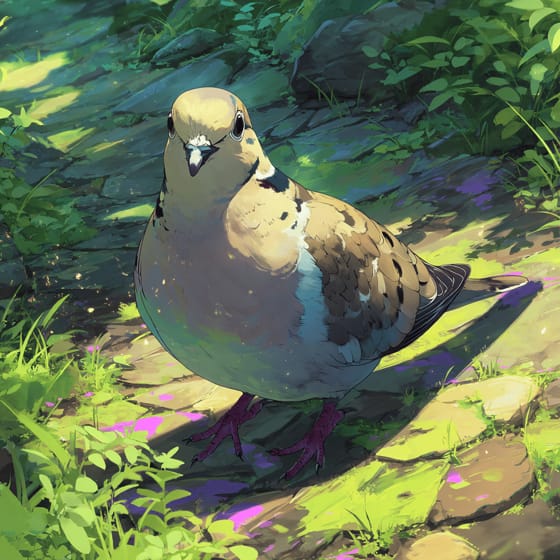
Zenaida macroura
Doves eat its plentiful seeds.
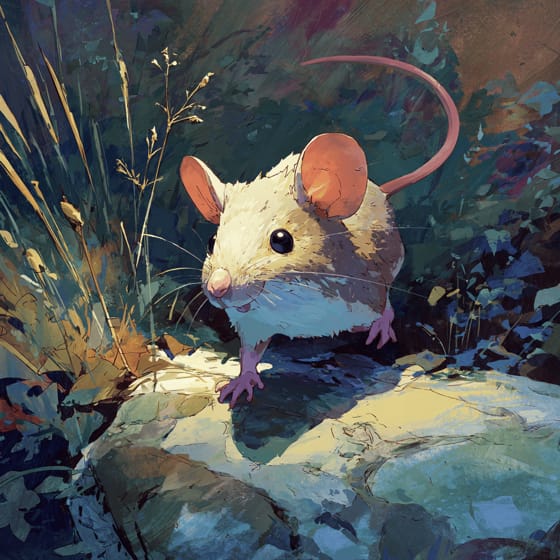
Mus musculus
Mice consume its seeds, aiding dispersal.
Anolis carolinensis
Small lizards hide within its dense leaves.
Ornamental plants are cultivated primarily for their aesthetic appeal, enhancing landscapes and gardens with their attractive foliage, flowers, or form.
Grass-like plants are herbaceous plants that visually resemble true grasses, typically having long, narrow leaves.
Summer blooming plants produce their flowers during the summer season, often providing vibrant color when many other plants have finished.
Drought-tolerant plants can survive and flourish in conditions with limited water availability.

This habitat trait indicates species that can coexist with humans in urban and suburban environments, utilizing man-made structures and green spaces.
No aliases listed yet.
Danger
1/5 · Very low
Explore with care and ask an adult if you’re unsure what to do.
60-150 cm
60-120 cm
15-30 cm
Summer to Fall
No
None
Perennial
Wind
Zoom in to split clusters and explore where this object has been snapped.
Recent snaps will appear here as new observations are added.