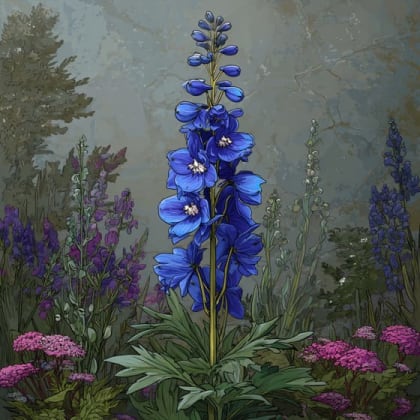
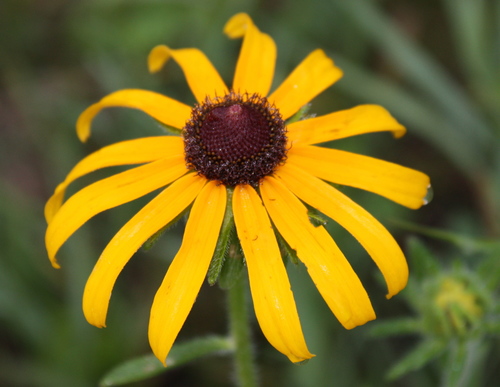
Rudbeckia
Rudbeckia hirta
Rudbeckia, also known as Black-eyed Susans, have sunny yellow petals and dark centers. They are perfect for brightening up any garden!
Habitat: Fields and gardens
The Rudbeckia has cheerful daisy-like flowers with bright yellow or orange petals circling a prominent, dark brown or black domed center, resembling an eye. Its stems and leaves are often covered in fine hairs, giving it a somewhat coarse texture.
Category
PlantsRarity
Common
Danger
1/5 · Very low
Snaps
26
Its tough roots can help prevent soil erosion in gardens and fields.
It’s also known as the Black-Eyed Susan, named for its dark central cone!
Native Americans used parts of this plant for many traditional medicines.
The dark center of the flower is actually hundreds of tiny individual flowers!
Rudbeckia has bright yellow petals and a dark central cone that acts like a landing pad, guiding insects to its nectar.
Rudbeckia has fuzzy stems and leaves that help it deter hungry herbivores from munching on its tasty parts.
Rudbeckia produces hundreds of tiny seeds from its central cone, allowing it to easily spread and grow in new places.
Apis mellifera
Gathers nectar and pollen
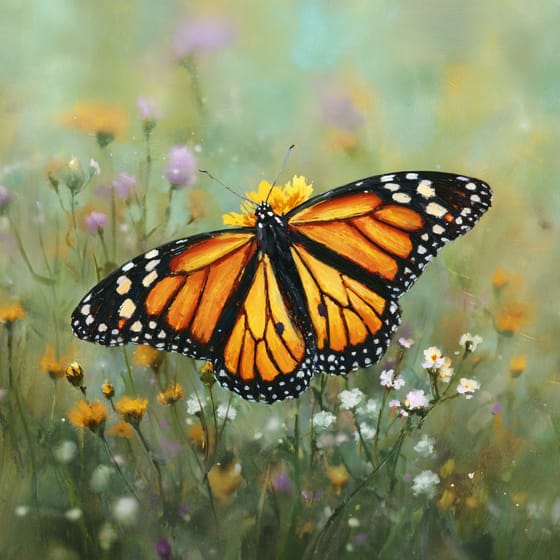
Danaus plexippus
Feeds on nectar, aids reproduction
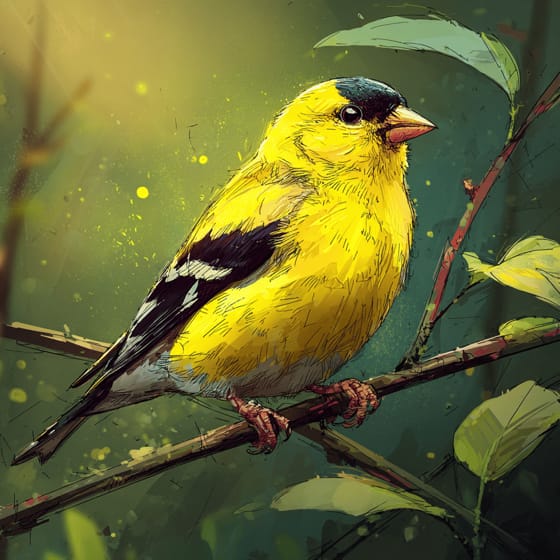
Spinus tristis
Eats the nutritious seeds

Odocoileus virginianus
Browses the foliage
Flowering plants are any plants that produce flowers as part of their reproductive cycle.
Shade tolerant plants are adapted to grow and thrive in areas with low light levels, requiring less direct sunlight.
Summer blooming plants produce their flowers during the summer season, often providing vibrant color when many other plants have finished.
Fragrant flowers emit a pleasant aroma, often to attract pollinators or for defense.

Grassland habitats are terrestrial biomes dominated by grasses and herbaceous plants, supporting a variety of grazing animals.
Danger
1/5 · Very low
Explore with care and ask an adult if you’re unsure what to do.
30-100 cm
30-60 cm
5-10 cm
Summer to Fall
No
Mild
Biennial
Insect
Zoom in to split clusters and explore where this object has been snapped.

New York, US
You might spot Common Dandelion, Red Deadnettle, and Broad-Leaved Dock.
View guide →

Minnesota, US
You might spot Rue Anemone, Eastern Skunk Cabbage, and Bloodroot.
View guide →
Virginia, US
You might spot Rudbeckia, Pileated Woodpecker, and Monarch.
View guide →

Ohio, US
You might spot Wild Bergamot, Tall Goldenrod, and Rattlesnake Master.
View guide →

Iowa, US
You might spot White-Tailed Deer, American Bullfrog, and Cup Plant.
View guide →