




Sage
Coniolaria Seigle-Murandi, Guiraud, Steiman &
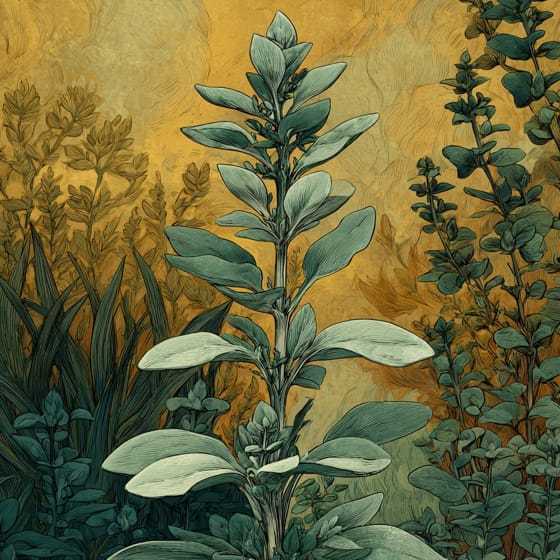
Sage is a fragrant herb with soft, gray-green leaves. It’s often used in cooking and has a lovely smell!
Habitat: Gardens and sunny spots
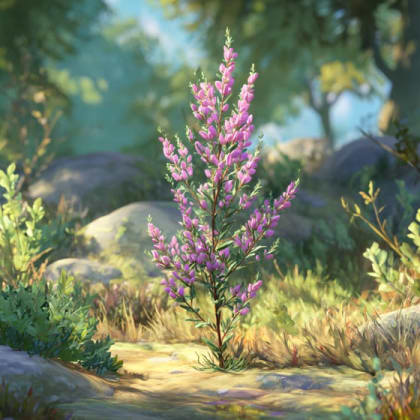
The Sage plant typically has soft, velvety grayish-green leaves with a pebbled texture and a distinctive aroma. Its small, two-lipped flowers bloom in spikes, often appearing in shades of lavender, purple, or sometimes white.
Category
PlantsRarity
Common
Danger
1/5 · Very low
Snaps
Be the first to snap!
Ancient Romans called sage a 'holy herb' believing it could cure almost anything!
Rubbing fresh sage leaves on your teeth was an old-fashioned way to clean and whiten them!
Some types of sage can grow into tall shrubs, reaching heights greater than a human!
There are over 900 different kinds of sage plants, found across the globe!
Sage has fuzzy leaves that help it reduce water loss, allowing it to survive in dry, sunny environments.
Sage produces strong aromatic oils that naturally deter many insect pests from nibbling on its leaves.
Sage contains compounds that give it a unique taste, used by humans to flavor many different foods.
Apis mellifera
Visits flowers for nectar and pollen
Bombus terrestris
Efficiently pollinates its tubular flowers
Coccinella septempunctata
Hides among the leaves from predators
Herbaceous plants are non-woody plants with soft stems that typically die back to the ground at the end of the growing season.
Aromatic plants produce and emit fragrant volatile organic compounds, often for defense or to attract pollinators.
Broadleaf trees are angiosperms characterized by flat, wide leaves that are typically shed annually in temperate climates.
Evergreen plants retain their foliage throughout the year, never shedding all their leaves at once.

Medicinal plants possess chemical compounds that can be used for therapeutic purposes to treat illnesses or maintain health.

Edible plants are those parts of a plant that are considered safe for human consumption.

Describes plants that are particularly attractive and beneficial to a wide range of pollinating organisms.

This human use trait indicates species from which spices are derived, used for flavoring, preserving food, or as aromatic agents.

This habitat trait indicates species that can coexist with humans in urban and suburban environments, utilizing man-made structures and green spaces.
Danger
1/5 · Very low
Explore with care and ask an adult if you’re unsure what to do.
30-90 cm
30-90 cm
1-2 cm
Late spring to early summer
Yes
None
Perennial
Insect
Zoom in to split clusters and explore where this object has been snapped.
Recent snaps will appear here as new observations are added.