



Salvia
Salvia splendens
Salvia, or sage, has tall spikes of colorful flowers that dance in the breeze. They are great for attracting hummingbirds!
Habitat: Gardens and sunny spots
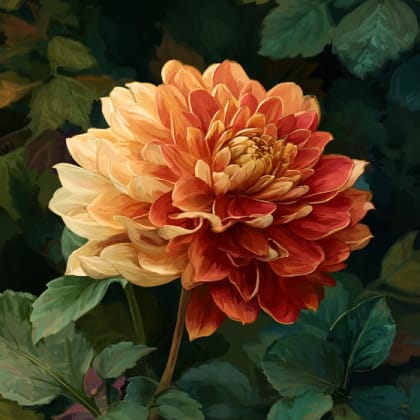
The Salvia has vibrant, fiery red tubular flowers clustered tightly on tall, upright spikes, rising above deep green, slightly wrinkled leaves. Its brilliant color and distinctive upright form make it easily recognizable in gardens.
Category
PlantsRarity
Common
Danger
1/5 · Very low
Snaps
Be the first to snap!
Salvia flowers come in almost every rainbow color, not just red, purple, and blue!
Salvia seeds can be sticky, hitching rides on animals to spread far and wide!
Some Salvia leaves have tiny hairs that protect them from strong sun and thirsty bugs.
The name "Salvia" comes from Latin, meaning 'to heal' or 'to save'!
Salvia's long, brightly colored, tubular flowers are perfectly shaped to attract hummingbirds for pollination.
Some Salvia species can grow in dry conditions by storing water in their leaves and roots to survive hot days.
Many Salvia species release strong scents from their leaves, which can help deter hungry animals from nibbling.
Archilochus colubris
sips nectar while carrying pollen between flowers
Apis mellifera
collects nectar and pollen, aiding reproduction
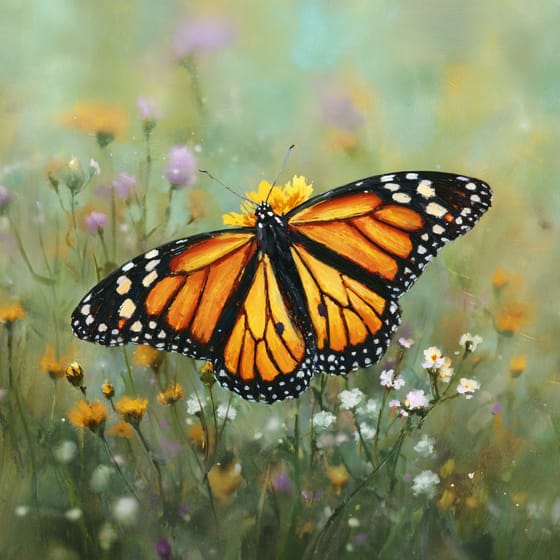
Danaus plexippus
visits flowers for nectar, spreading pollen around
Aphis gossypii
sucks sap from leaves, potentially harming the plant
Perennial plants live for more than two years, typically returning to grow and bloom each year from their roots.
Flowering plants are any plants that produce flowers as part of their reproductive cycle.
A tube flower has petals fused together at the base, forming a distinct tubular structure that typically holds nectar deep within.
Fragrant flowers emit a pleasant aroma, often to attract pollinators or for defense.

Describes plants that are particularly attractive and beneficial to a wide range of pollinating organisms.

This habitat trait indicates species that can coexist with humans in urban and suburban environments, utilizing man-made structures and green spaces.
Danger
1/5 · Very low
Explore with care and ask an adult if you’re unsure what to do.
30-90 cm
30-60 cm
2-4 cm
Summer
No
None
Annual
Bird
Zoom in to split clusters and explore where this object has been snapped.
Recent snaps will appear here as new observations are added.