



Holly
Sanagia
Holly is a special plant with bright red berries and shiny green leaves. It looks especially beautiful during the winter!
Habitat: Woodlands and gardens
The Holly has shiny, leathery dark green leaves, often with sharp, spiky edges. In winter, it displays bright red, round berries that stand out vividly against the green foliage, making it easily recognizable even in the snow.
Category
PlantsRarity
Common
Danger
1/5 · Very low
Snaps
Be the first to snap!
Ancient cultures believed holly could ward off evil spirits and lightning strikes!
Holly wood is very dense and fine-grained, sometimes used for chess pieces or piano keys.
Male and female holly flowers grow on separate plants, so only female plants get berries.
Some older holly trees can live for an amazing 300 years or even longer!
Holly has sharp, spiky leaves that protect it from hungry animals wanting to nibble on its foliage.
Its bright red berries ripen in autumn and provide a crucial food source for birds during the cold winter months.
Holly keeps its leaves all year, allowing it to photosynthesize and make food even when other trees are bare.
Turdus merula
Eats its berries for winter food.
Apis mellifera
Visits its small flowers for nectar and pollen.
Phytomyza ilicis
Larvae tunnel within its leaves.
Ornamental plants are cultivated primarily for their aesthetic appeal, enhancing landscapes and gardens with their attractive foliage, flowers, or form.
Winter Interest refers to plants that provide aesthetic appeal through their foliage, bark, berries, or structure during the winter season.
Shade tolerant plants are adapted to grow and thrive in areas with low light levels, requiring less direct sunlight.
A shrub is a woody plant smaller than a tree, typically with multiple stems branching from or near the ground.

Evergreen plants retain their foliage throughout the year, never shedding all their leaves at once.

Fruit-bearing plants produce fruits, which are the mature ovaries of flowering plants containing seeds.

Forest habitats are terrestrial environments dominated by dense tree cover, supporting a high diversity of plant and animal life.
Danger
1/5 · Very low
Explore with care and ask an adult if you’re unsure what to do.
200-1000 cm
100-500 cm
0.5-1 cm
Late Spring to Early Summer
No
Moderate
Perennial
Insect
Zoom in to split clusters and explore where this object has been snapped.
Recent snaps will appear here as new observations are added.
.jpg)
Maryland, US
You might spot White-Tailed Deer and Japanese Knotweed.
View guide →

Virginia, US
You might spot Duck, Wood Duck, and Chlorosplenium Chlora.
View guide →
.jpg)
Virginia, US
You might spot Great Blue Heron, Fan Clubmoss, and Canada Goose.
View guide →
Virginia, US
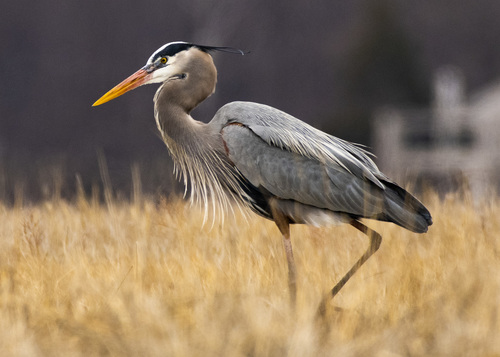
You might spot Great Blue Heron, Canada Goose, and Red-Winged Blackbird.
View guide →
Virginia, US
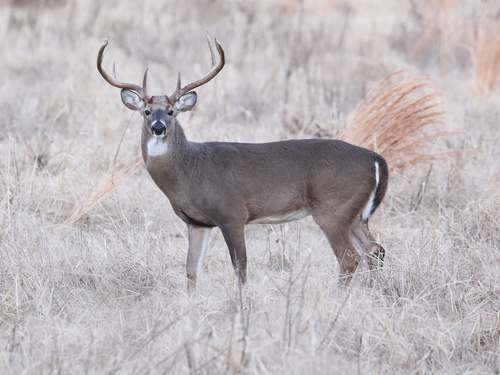
You might spot White-Tailed Deer, American Tuliptree, and Holly.
View guide →
New Jersey, US
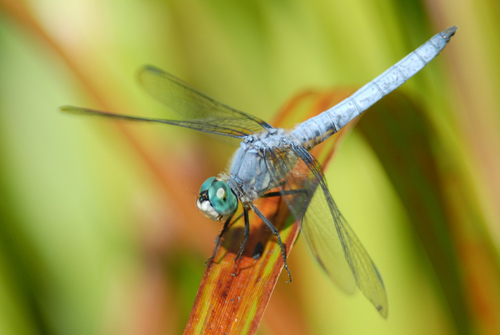
You might spot Blue Dasher, Eastern Pondhawk, and Laughing Gull.
View guide →