Duck
.jpg)
Nestled within the vibrant cityscape of Baltimore, Maryland, Herring Run Park emerges as a 375-acre urban oasis, offering a welcoming retreat into nature for families and outdoor enthusiasts alike.
Nestled within the vibrant cityscape of Baltimore, Maryland, Herring Run Park emerges as a 375-acre urban oasis, offering a welcoming retreat into nature for families and outdoor enthusiasts alike. This scenic stream-valley park, defined by the meandering Herring Run, provides a vital green lung for the community, where the sounds of the city fade into the rustling leaves and chirping birds. With free admission, it's a perfect destination for those seeking tranquility, recreation, and a chance to reconnect with the natural world right in their backyard.
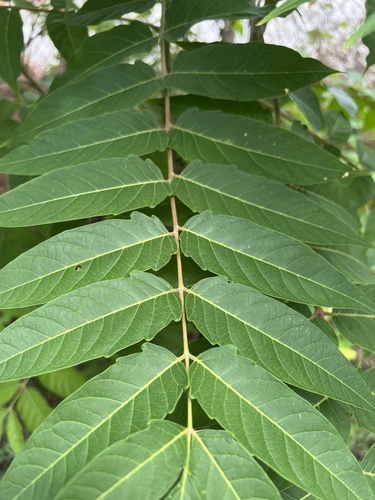
The park boasts an extensive network of trails, including the 2.5-mile Herring Run Trail, a paved path suitable for walking, running, and biking that winds alongside the stream. Beyond the main trail, numerous side hiking paths invite deeper exploration into the lush woodlands. Here, visitors might catch a glimpse of local wildlife such as White-tailed Deer and foxes, or spot diverse bird species like the Northern Cardinal and even Great Blue Herons and Great Egrets fishing in the run. The park's varied habitats also support a rich botanical tapestry, including native species like the American tuliptree and eastern redbud, alongside wildflowers such as mayapple and white clover.
Herring Run Park is more than just a green space; it's a living classroom and a community hub. With playgrounds, picnic areas, and athletic fields, it caters to a wide array of activities, fostering both active recreation and peaceful contemplation. Whether you're seeking a leisurely stroll, an invigorating bike ride, a spot for birdwatching, or simply a quiet moment surrounded by nature's beauty, Herring Run Park offers a memorable escape that feels miles away from the urban bustle, yet remains easily accessible to all. Enhance your adventure: download the Snappit app to identify the local species you encounter.
Herring Run Park boasts a rich history spanning centuries, with evidence of human occupation and land use dating back more than 11,000 years to indigenous camps. The park's modern conception can be traced to the renowned Olmsted Brothers, who in 1904, recommended its establishment as a stream valley park, extending the then-Montebello Park (now Lake Montebello recreation area). The land now encompassing Herring Run Park has seen numerous transformations, from early farms and estates to industrial activities. The upper part of the park, north of Belair Road, has a documented history of continuous human occupation since the late 1600s. Notable historical figures, such as William Smith, a prominent Baltimore merchant and politician, owned a significant estate called Eutaw Manor within the park's present boundaries in the late 1700s. Archaeological projects continue to uncover fascinating details about these past residents and the evolving landscape, revealing stories of resilience and the intricate relationship between people and the land.
Walk, run, or bike the Herring Run Trail and connecting paths to Lake Montebello.
Go birdwatching – look for Northern Cardinals, American Robins, and wading birds near the water.
Explore the quieter hiking trails to observe plants like American tuliptree, eastern redbud, mayapple, and various wildflowers.
Enjoy a picnic at one of the designated areas.
Visit the playgrounds with children.
Fish in Herring Run (check local regulations).
Explore the Heritage Trail to learn about the park's historical significance.
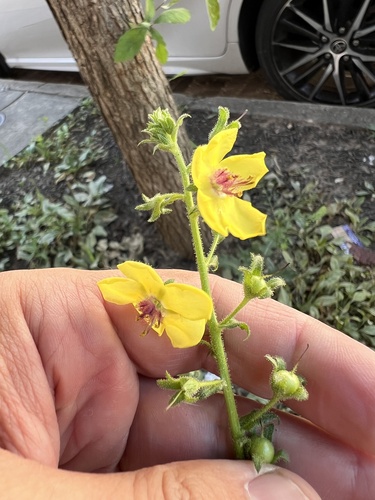
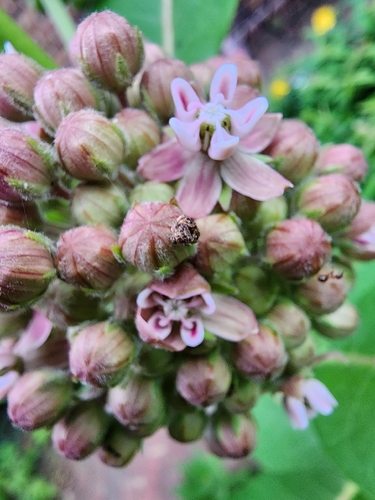
Spring: Witness wildflowers like mayapple and lesser celandine blooming. Increased bird activity.
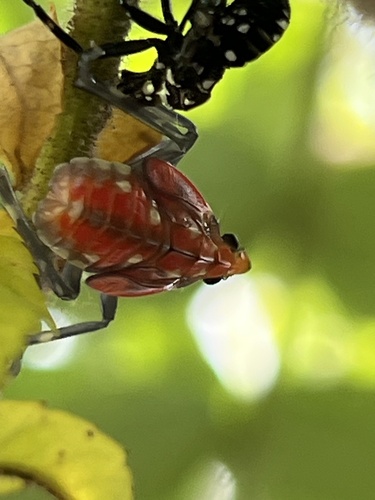
Summer: Lush green foliage, ideal for shaded walks. Keep an eye out for insects like the Spotted Lanternfly (though management efforts are ongoing to reduce their numbers).
Fall: Enjoy vibrant fall foliage and cooler temperatures, excellent for hiking.
Winter: Opportunities for spotting White-tailed Deer and other wildlife more easily through bare trees.
The main Herring Run Trail and most of the park are ADA-accessible, featuring paved and relatively flat paths. However, a lesser-known section called Lower Herring Run Park, consisting of unpaved dirt trails, is not ADA-accessible. Some areas have pedestrian bridges over Herring Run, and traffic calming measures like speed bumps and pedestrian islands are planned for improved pedestrian safety at crossings. Restroom availability can vary; it's recommended to check for facilities near main picnic areas or visitor centers.
A 2.5-mile paved loop perfect for walking, running, or biking along the stream.
Numerous side trails offer deeper exploration into the woodlands.
Opportunities to spot White-tailed Deer, foxes, beavers, Northern Cardinals, American Robins, and various waterfowl like Great Blue Herons and Great Egrets.
A notable feature within the park.
Each card links to a full Explore page with photos, traits, and fun facts.












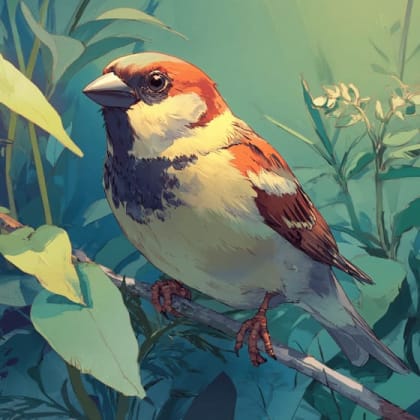











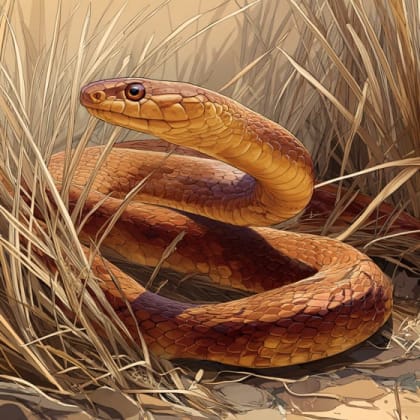






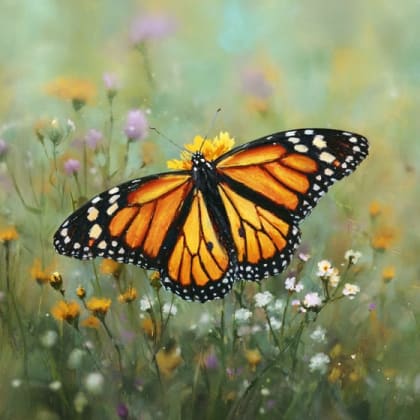







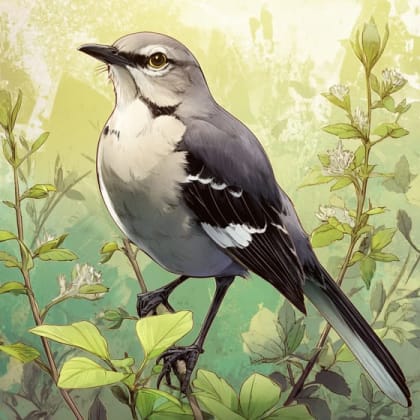



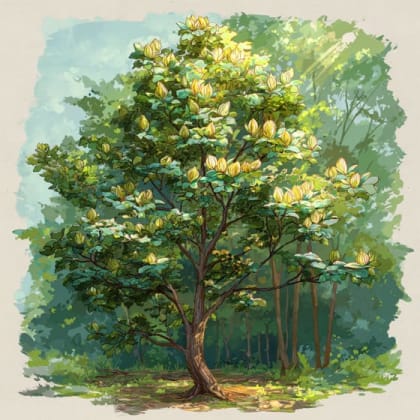


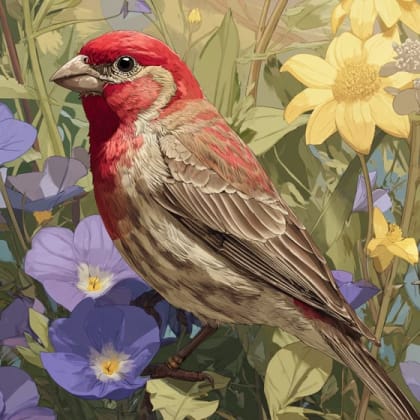
Start with the big picture, then zoom in to explore individual wildlife observations around this place.
Wear comfortable shoes
Many miles of trails await, from paved paths to unpaved side trails.
Bring binoculars
Enhance your birdwatching experience, especially for spotting species like Great Egrets and Northern Cardinals.
Stay on marked trails
While exploring the diverse flora, be mindful of invasive species like Japanese knotweed and multiflora rose, and help protect native plants.
Visit early morning or late afternoon
These times offer cooler temperatures, fewer crowds, and increased wildlife activity, ideal for photography and quiet enjoyment.
Parking
Street parking is available at various access points, including along Chesterfield Avenue, Shannon Drive, and Parkside Drive.
Connect to Lake Montebello
For an extended outing, utilize the trail crossing at Harford Road and Chesterfield Avenue to access Lake Montebello's 2.5-mile shared-use path.
Jun 19, 2026
Photo attribution
no rights reserved
License: CC0 1.0 ↗
Image may be shown cropped inside the card frame.
Jun 15, 2026
Photo attribution
no rights reserved
License: CC0 1.0 ↗
Image may be shown cropped inside the card frame.
Jun 15, 2026
Photo attribution
no rights reserved
License: CC0 1.0 ↗
Image may be shown cropped inside the card frame.
Jun 10, 2026
Photo attribution
(c) Zachary Wimberly, some rights reserved (CC BY)
License: CC BY 4.0 ↗
Image may be shown cropped inside the card frame.
Jun 20, 2026

Maryland, US
You might spot White-Tailed Deer and Eastern Gray Squirrel.
View guide →
.jpg)
District of Columbia, US
You might spot Eastern Gray Squirrel, Duck, and House Sparrow.
View guide →

Illinois, US
You might spot American Robin, Canada Goose, and House Sparrow.
View guide →

Virginia, US
You might spot Spotted Lanternfly and Northern Cardinal.
View guide →
Take the discovery with you
Identify the wildlife you spot, learn as you go, and keep a collection of the adventure.