





Canada Goose
Royal Lake Park, nestled in Fairfax, Virginia, offers a captivating blend of tranquil natural beauty and active community recreation, centered around its distinctive 38-acre, J-shaped lake.
Royal Lake Park, nestled in Fairfax, Virginia, offers a captivating blend of tranquil natural beauty and active community recreation, centered around its distinctive 38-acre, J-shaped lake. This 46-acre park serves as a serene escape for residents and visitors alike, providing a crucial natural haven within the Kings Park West and Glen Cove neighborhoods. Beyond its picturesque landscapes, Royal Lake also plays a vital role as a flood-control dam for the Pohick Creek Watershed, a testament to its dual purpose as both an ecological and community asset.
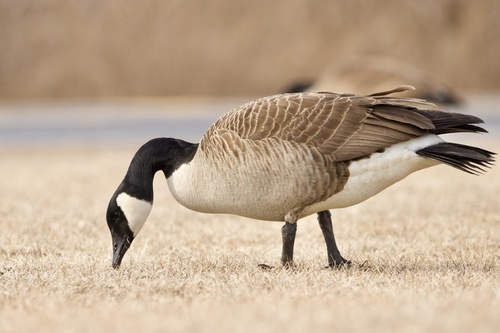
The heart of the park's appeal lies in its well-maintained 1.8-mile Royal Lake Loop Trail, which winds around the sparkling waters and through shaded woodlands. Along this diverse path, visitors can immerse themselves in nature, observing a rich array of wildlife. Keep an eye out for elegant Great Blue Herons stalking the shallows, the familiar presence of Canada Geese and Mallards gliding across the lake, and the industrious American Beaver. The surrounding forest canopy often reveals the vibrant flash of a Northern Cardinal, while Eastern Gray Squirrels and White-tailed Deer might be spotted amidst the trees. The lake's waters are also home to various turtles, including the Northern Red-bellied Cooter and Pond Slider, often seen basking on logs.
Royal Lake Park is a truly memorable destination, offering something for everyone from the avid nature enthusiast to families seeking a lively outdoor experience. With its welcoming trails, diverse wildlife, and family-friendly amenities like playgrounds and picnic areas, it fosters a deep connection to the natural world right within an urban setting. Whether you're seeking a peaceful stroll, an invigorating run, or a chance to introduce children to the wonders of local ecosystems, this park provides a refreshing and engaging escape that leaves a lasting impression. Enhance your adventure: download the Snappit app to identify the local species you encounter.
Royal Lake's origins are rooted in a practical purpose: it was constructed in 1977 as a flood-control dam within the Pohick Creek Watershed. This engineering feat has proven vital in protecting hundreds of homes and businesses downstream from flood risks, as demonstrated during significant weather events like Hurricane Juan in 1985 and the 2006 floods. The dam underwent a rehabilitation project in 2009, a collaborative effort involving the Fairfax County Board of Supervisors, the Northern Virginia Soil and Water Conservation District, and the USDA's Natural Resources Conservation Service. During this project, archaeological excavations at the park's southern end uncovered tools and projectile points used by native peoples approximately 6,500 years ago, adding a deep historical layer to the landscape. Further enhancements occurred in 2016 when the 38-acre lake was successfully dredged to increase flood capacity, a project that also led to the creation of two artificial islands designed to enhance natural habitats.
Enjoy walking, jogging, or dog-walking along the loop trail. Observe diverse wildlife, including waterfowl, Great Blue Herons, American Beavers, White-tailed Deer, and various songbirds like the Northern Cardinal. Fishing is popular, with Largemouth Bass, Black Crappie, and Bluegill being common catches. Utilize the playgrounds and athletic courts, or simply relax at one of the picnic tables.
Spring/Fall: Excellent for hiking due to mild weather and scenic beauty. Spring brings blooming native plants like Virginia Springbeauty.
Summer: The park hosts community concerts, known as Braddock Nights, near the lake. Be aware that the ground can be wet and slippery after rain.
Winter: Offers a quieter experience and potential for spotting different bird species.
The main path around the lake is highly accessible, with parking lots at both ends of the 'J' shape. The trail surface is a mix of paved sections, especially near playgrounds and dams, and natural dirt or gravel in wooded areas. While generally easy, some parts feature slight elevation changes, tree roots, and steps. Benches and picnic tables are available, and portable toilets can be found near parking areas. Bikes are prohibited on natural-surface trails.
The primary highlight is the 1.8-mile Royal Lake Loop Trail. Other attractions include multiple playgrounds, basketball and tennis courts, picnic areas, and designated fishing spots. The two artificial islands created during dredging are also points of interest for habitat enhancement.
Each card links to a full Explore page with photos, traits, and fun facts.

















































Start with the big picture, then zoom in to explore individual wildlife observations around this place.
Wear appropriate footwear
The trail includes both paved and natural surfaces, with some sections that can be wet or slippery, especially after rain. Trail running shoes are recommended.
Bring binoculars
For optimal wildlife viewing, particularly for spotting birds like Great Blue Herons and Double-crested Cormorants.
Utilize multiple access points
The park has parking lots at both ends of the lake's 'J' shape (Pommeroy Drive and Eastlake Drive), providing convenient entry to the loop trail.
Pack a picnic
With numerous picnic tables and a scenic lake backdrop, it's an ideal spot for an outdoor meal.
Stay on designated trails
This helps protect the natural habitats and minimize the spread of invasive species like Lesser Celandine and Common Ivy.
Check for events
During summer, the park hosts free community concerts as part of the Braddock Nights series.
Jun 19, 2026
Jun 19, 2026
Jun 19, 2026
Jun 19, 2026
Jun 19, 2026

Maryland, US
You might spot White-Tailed Deer and Eastern Gray Squirrel.
View guide →
.jpg)
District of Columbia, US
You might spot Eastern Gray Squirrel, Duck, and House Sparrow.
View guide →

Illinois, US
You might spot American Robin, Canada Goose, and House Sparrow.
View guide →

Virginia, US
You might spot Spotted Lanternfly and Northern Cardinal.
View guide →
Take the discovery with you
Identify the wildlife you spot, learn as you go, and keep a collection of the adventure.



