Daylily
Hemerocallis L.
Daylilies are cheerful flowers that bloom for just one day! But don’t worry, they grow many flowers all summer long.
Habitat: Daylilies love sunny spots in the garden.
The Daylily has striking, trumpet-shaped flowers in a rainbow of colors, including vibrant yellows, oranges, reds, and purples, often with contrasting throats or edges. Its long, arching, strap-like leaves form dense clumps from which sturdy stalks emerge, each bearing multiple flower buds.
Category
PlantsRarity
Common
Danger
1/5 · Very low
Snaps
Be the first to snap!
Ancient cultures ate daylily buds and flowers, considering them a valuable food source.
Even their dried flowers are used in Asian cuisine, adding a unique flavor to dishes.
The name "Hemerocallis" means "beauty for a day" because each bloom lasts only one day!
There are over 80,000 registered daylily varieties, showcasing an amazing array of forms.
Daylily has tough, fleshy roots that store water and nutrients, helping it survive droughts and harsh conditions.
Daylily can produce many flower buds on a single stalk, ensuring continuous blooms and many chances to spread seeds.
Daylily's roots and tubers store energy, allowing it to regrow quickly each year and making it a resilient plant.
Apis mellifera
Visits flowers for nectar and pollen.
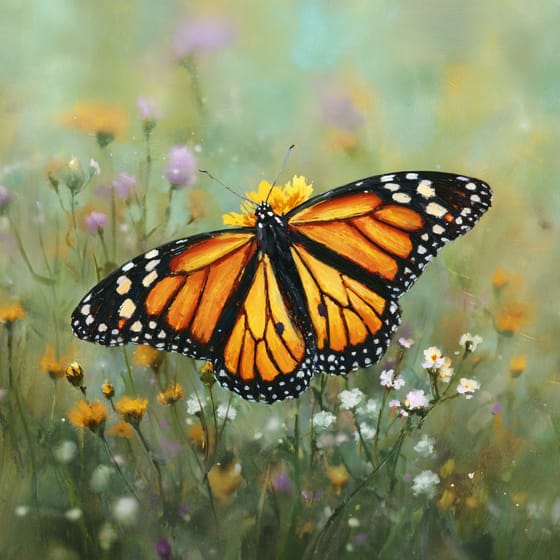
Danaus plexippus
Sips nectar while aiding pollen transfer.
Arion vulgaris
Consumes leaves and young flower buds.
Perennial plants live for more than two years, typically returning to grow and bloom each year from their roots.
Deciduous plants periodically shed all their leaves, typically during autumn or dry seasons.
Cluster flowers are inflorescences where individual flowers are arranged closely together on a common stem.
Spring blooming plants produce their flowers during the spring season, often signifying the end of winter and the start of new growth.

Summer blooming plants produce their flowers during the summer season, often providing vibrant color when many other plants have finished.

Everblooming plants produce flowers continuously or in repeated flushes over a long period.

Fragrant flowers emit a pleasant aroma, often to attract pollinators or for defense.

This habitat trait indicates species that can coexist with humans in urban and suburban environments, utilizing man-made structures and green spaces.
Danger
1/5 · Very low
Explore with care and ask an adult if you’re unsure what to do.
30-90 cm
30-75 cm
5-15 cm
Late spring to late summer, depending on cultivar
Yes
Mild
Perennial
Insect
Zoom in to split clusters and explore where this object has been snapped.
Recent snaps will appear here as new observations are added.