





eastern hemlock
Tsuga canadensis
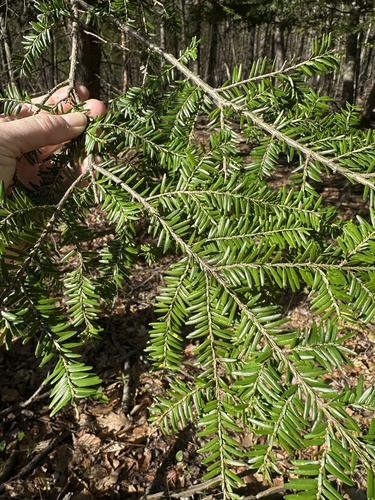
The eastern hemlock is a tall tree with soft, flat needles and small cones. It grows in cool, shady forests and provides homes for many animals.
Habitat: Forests
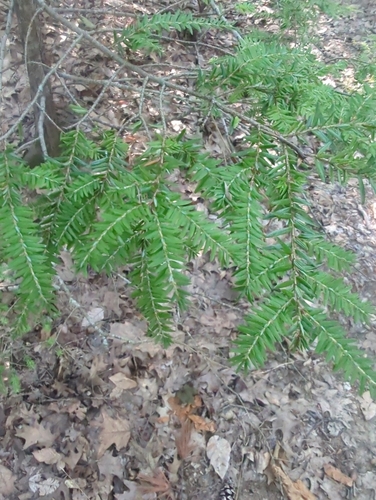
The eastern hemlock has a graceful, conical shape with drooping branches. Its short, flat, dark green needles feature two distinctive white stripes underneath. Small, light brown oval cones, about an inch long, hang from its twigs.
Category
PlantsRarity
Common
Danger
1/5 · Very low
Snaps
90
Crushed needles surprisingly smell like the poisonous hemlock plant, but this tree is safe!
Its bark was once prized for tanning leather, a super important material for pioneers.
The tiny cones, only about an inch long, are the smallest of any North American hemlock!
This tree is a "foundation species," creating special conditions vital for many other forest plants and animals.
Eastern hemlock can grow in deep shade, allowing it to thrive in dense forests where other trees cannot compete for sunlight.
Eastern hemlock has a dense canopy that cools the forest floor, creating a moist, stable microclimate for many species.
Eastern hemlock's extensive root system helps stabilize soil, preventing erosion and filtering water in its forest habitats.

Odocoileus virginianus
Deer often browse on hemlock seedlings and young branches.
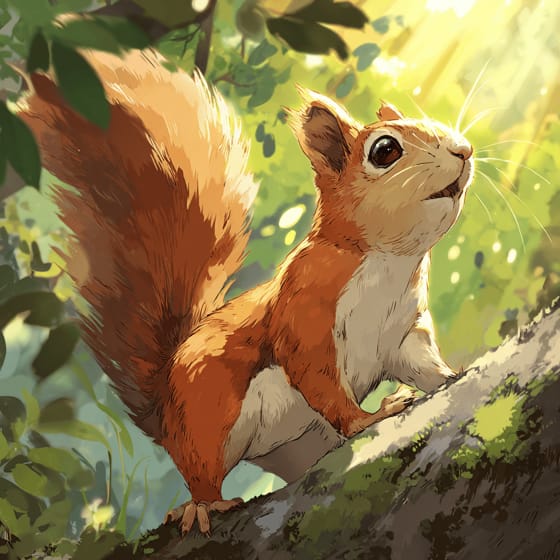
Sciurus carolinensis
Squirrels build nests and forage for seeds in hemlock trees.
Setophaga caerulescens
This bird often nests exclusively in dense hemlock stands.

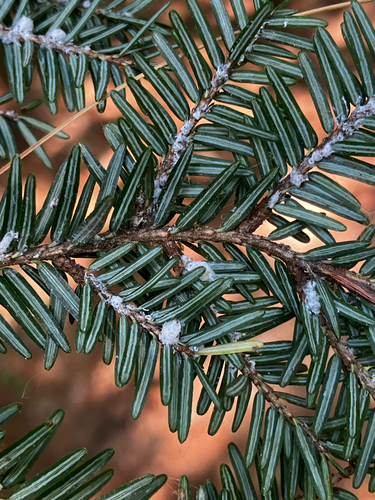
Adelges tsugae
This invasive insect feeds on hemlock sap, threatening the trees.
Shade tolerant plants are adapted to grow and thrive in areas with low light levels, requiring less direct sunlight.
Broadleaf trees are angiosperms characterized by flat, wide leaves that are typically shed annually in temperate climates.
Coniferous plants are typically evergreen, bearing needles or scales and reproductive cones.
Evergreen plants retain their foliage throughout the year, never shedding all their leaves at once.

Timber refers to wood that has been prepared for use in building and carpentry.

This trait signifies organisms belonging to a very old evolutionary group with ancestors dating back millions of years.

Forest habitats are terrestrial environments dominated by dense tree cover, supporting a high diversity of plant and animal life.

This trait characterizes organisms with an exceptionally long lifespan compared to others of their kind.

Describes a species whose presence and role have a disproportionately large effect on its environment.
No aliases listed yet.
Danger
1/5 · Very low
Stay on paths when exploring forests and watch for falling branches.
The easiest way to identify eastern hemlock is to use the Snappit nature identifier app.
2000-5000 cm
600-1500 cm
Spring (pollen cones)
No
None
Perennial
Wind
Zoom in to split clusters and explore where this object has been snapped.
Jun 2, 2026
Central Village Historic DistrictPhoto attribution
(c) Bryan Connolly, some rights reserved (CC BY)
License: CC BY 4.0 ↗
Image may be shown cropped inside the card frame.
May 11, 2026
CheshamPhoto attribution
(c) Jaime McGuigan, some rights reserved (CC BY)
License: CC BY 4.0 ↗
Image may be shown cropped inside the card frame.
Jul 20, 2024
The MonolithsPhoto attribution
(c) Greg P, some rights reserved (CC BY)
License: CC BY 4.0 ↗
Image may be shown cropped inside the card frame.

Pennsylvania, US
You might spot Mountain Laurel, Ghost Pipe, and Sweetfern.
View guide →

Pennsylvania, US
You might spot Pinesap, Great Rhododendron, and Mountain Laurel.
View guide →
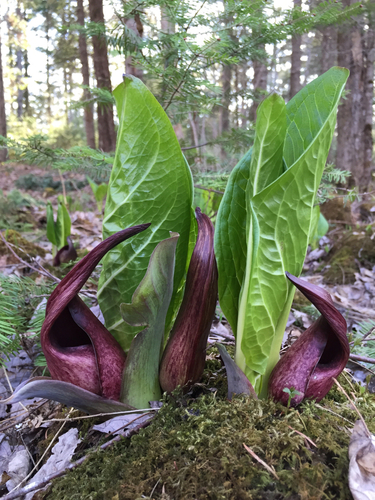
Connecticut, US
You might spot Eastern Skunk Cabbage and Eastern White Pine.
View guide →

Maine, US
You might spot American Bullfrog and Three-Toothed Cinquefoil.
View guide →

New Hampshire, US
You might spot Eastern Red-Backed Salamander and Eastern Newt.
View guide →

Massachusetts, US
You might spot Mountain Laurel, Azure Bluet, and Partridgeberry.
View guide →
Take the discovery with you
Snap it with Snappit to identify it, learn what makes it special, and add the discovery to your collection.










.jpg&width=800)


_001.jpg&width=800)

