Tiger Salamander
Ambystoma tigrinum
The Tiger Salamander is a big, friendly salamander with cool yellow spots. They like to dig in the dirt and find tasty bugs!
Habitat: Woodlands and grasslands
The Tiger Salamander is a large, stocky amphibian with a broad head and small eyes. It has a dark body, often black or dark brown, strikingly marked with irregular bright yellow or olive-green blotches and stripes, making it look like a tiger.
Category
AmphibiansRarity
Common
Danger
2/5 · Low
Snaps
Be the first to snap!
Some never leave the water, keeping their feathery gills forever!
They spend most of their lives hidden deep underground in burrows!
Tiger salamander larvae are sometimes called 'water dogs' by people!
When ponds dry, they can quickly change and walk away on land!
Tiger Salamander can regrow lost limbs, tails, and even parts of its brain because it has incredible regenerative cells!
Tiger Salamander can stay a 'water-baby' with gills its whole life, helping it survive where land is tough!
Tiger Salamander can dig deep underground using its strong body, helping it escape predators and harsh weather!
Tiger Salamander has skin that produces a mild toxin, helping it discourage hungry predators from making it a snack!
These hungry salamanders feast on a variety of small critters, both on land and in the water!
Age differences: Larvae eat tiny water bugs, while adults add bigger insects and small animals to their menu.
Thamnophis sirtalis
Snakes hunt them as a tasty meal.

Procyon lotor
Raccoons find them tasty snacks near ponds.
Lumbricus terrestris
They hunt and eat worms in their burrows.
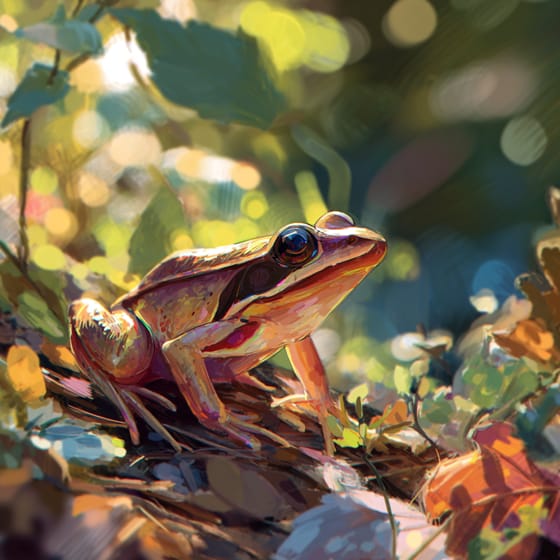
Lithobates sylvaticus
Adults sometimes prey on small frogs.
Wildlife encompasses all undomesticated animal and plant life existing in their natural habitats.
Solitary animals live alone for most of their lives, only interacting with others for mating or parental care.
Burrowing animals dig tunnels and chambers in the ground, using these subterranean structures for shelter, hunting, or breeding.
Camouflaged describes organisms that possess coloring or patterns that allow them to blend into their environment.

This trait identifies organisms whose diet primarily consists of insects and other small invertebrates.

This trait characterizes organisms with an exceptionally long lifespan compared to others of their kind.

Nocturnal animals are primarily active during the nighttime hours, typically resting or sleeping during the day.
Danger
2/5 · Low
Look but don’t touch. Keep a safe distance and wash hands after exploring.
15-33 cm
0.08-0.25 kg
10-25 years
2 km/h
These hungry salamanders feast on a variety of small critters, both on land and in the water!
Woodlands and grasslands
Ambush
100-1000
Zoom in to split clusters and explore where this object has been snapped.
Recent snaps will appear here as new observations are added.