





Salamander
Caudata
Salamanders are small amphibians with long bodies and tails. They live near water and have smooth, moist skin. Some salamanders can regrow their lost tails!
Habitat: Forests, Wetlands
The Salamander is a slender amphibian, typically with a long tail and four short limbs. They often display vibrant patterns of spots, stripes, or mottling in colors like black, yellow, orange, and red, distinguishing them from lizards by their smooth, moist skin.
Category
AmphibiansRarity
Common
Danger
2/5 · Low
Snaps
Be the first to snap!
A salamander's skin isn't just for breathing; it can also absorb water!
Giant salamanders are the largest amphibians, growing longer than a person!
Some salamanders never leave their larval stage, living their whole life in water!
These amazing creatures can live for decades, much longer than many common pets!
Salamander can regrow lost limbs, tails, and even parts of their brain or heart because of specialized stem cells.
Salamander can breathe through their skin and mouth lining because they absorb oxygen directly from water or moist air.
Salamander can launch a super-fast, sticky tongue to catch insects because it's attached at the front of their mouth.
Salamander has glands in its skin that release mild to potent toxins that helps protect them from predators.
Salamanders are tiny hunters, using their quick, sticky tongues to snatch up all sorts of small critters.
Age differences: Larvae often eat smaller aquatic invertebrates; adults eat larger prey and land invertebrates.
Mephitis mephitis
Skunks dig up and eat salamanders.
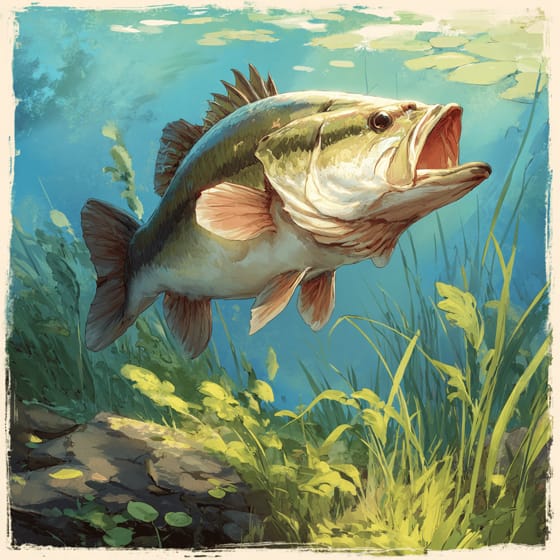
Micropterus salmoides
Fish prey on larval and adult newts.
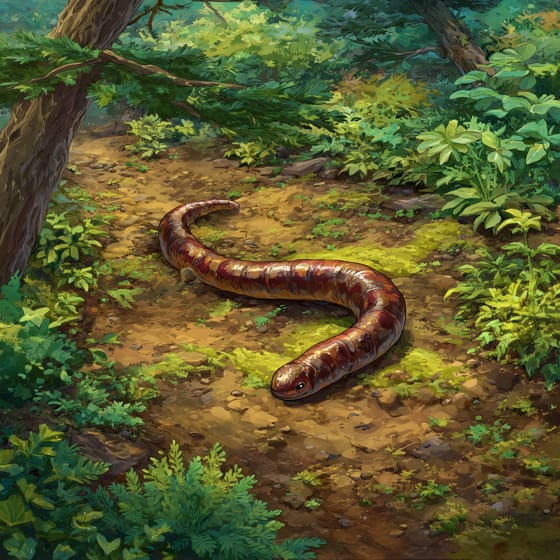
Lumbricus terrestris
Tiger Salamanders prey on earthworms.
Wildlife encompasses all undomesticated animal and plant life existing in their natural habitats.
Arboreal animals live primarily in trees, utilizing them for shelter, food, and protection from predators.
Forest habitats are terrestrial environments dominated by dense tree cover, supporting a high diversity of plant and animal life.
This habitat trait identifies species found in wetlands, which are areas of land saturated with water, either permanently or seasonally, including marshes, swamps, and bogs.

This trait identifies organisms whose diet consists entirely or primarily of animal tissue.

Describes a species whose presence and role have a disproportionately large effect on its environment.

Regenerative organisms possess the ability to regrow lost or damaged body parts, tissues, or organs.

Nocturnal animals are primarily active during the nighttime hours, typically resting or sleeping during the day.
No aliases listed yet.
Danger
2/5 · Low
If you find a salamander, observe from a distance and avoid touching them to keep them safe.
The easiest way to identify Salamander is to use the Snappit nature identifier app.
5-75 cm
0.001-5 kg
5-20 years
1 km/h
Salamanders are tiny hunters, using their quick, sticky tongues to snatch up all sorts of small critters.
Forests, Wetlands
Ambush
Zoom in to split clusters and explore where this object has been snapped.
Recent snaps will appear here as new observations are added.
Take the discovery with you
Snap it with Snappit to identify it, learn what makes it special, and add the discovery to your collection.








.JPG&width=800)



.jpg&width=800)
