


Winterberry
Euonymus bungeanus Maxim.
Winterberry is a type of holly that loves the cold! It has bright red berries that stand out against the snowy landscape.
Habitat: Wetlands and forests
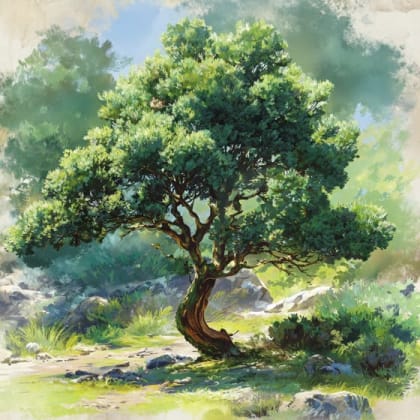
The Winterberry is a deciduous shrub or small tree with green leaves that turn brilliant red or purple in autumn. It boasts clusters of pink-red, four-lobed capsules that split open to reveal bright orange seeds, creating a stunning visual display.
Category
PlantsRarity
Common
Danger
1/5 · Very low
Snaps
Be the first to snap!
Birds can safely eat its seeds, which are poisonous for humans.
Despite its name, it’s not related to the common red-berried holly plants!
Its seeds look like tiny orange jewels bursting from bright pink cases!
Sometimes, this plant grows interesting corky 'wings' on its stems.
Winterberry's leaves turn fiery red and purple, attracting attention before falling off the branches.
It has brightly colored orange seeds that emerge from pink capsules, often staying on branches all winter.
Its seeds are eaten by birds, helping spread them, though they are toxic to humans.
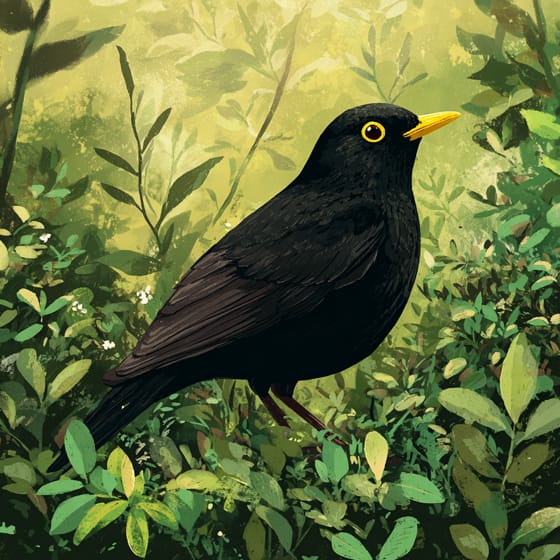
Turdus merula
Consumes the toxic seeds for dispersal.
Bombycilla garrulus
Feeds on the persistent seeds during winter.
Apis mellifera
Visits the small flowers for nectar and pollen.
Deciduous plants periodically shed all their leaves, typically during autumn or dry seasons.
Winter Interest refers to plants that provide aesthetic appeal through their foliage, bark, berries, or structure during the winter season.
A shrub is a woody plant smaller than a tree, typically with multiple stems branching from or near the ground.
Cold hardy plants are able to withstand low temperatures and freezing conditions without significant damage.

Fruit-bearing plants produce fruits, which are the mature ovaries of flowering plants containing seeds.
A fruit tree is a perennial tree that produces fruit, which is edible to humans or animals.

This habitat trait identifies species found in wetlands, which are areas of land saturated with water, either permanently or seasonally, including marshes, swamps, and bogs.
Danger
1/5 · Very low
Explore with care and ask an adult if you’re unsure what to do.
300-500 cm
200-400 cm
0.5-1 cm
Late spring to early summer
No
Moderate
Perennial
Insect
Zoom in to split clusters and explore where this object has been snapped.
Recent snaps will appear here as new observations are added.