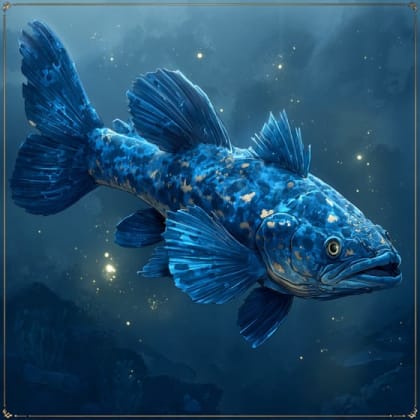



Zebra Danio
Brachydanio rerio
Zebra Danios are lively little fish with stripes that look like a zebra! They love to dart around and play in the water.
Habitat: Freshwater streams and ponds
The Zebra Danio has a slender, torpedo-shaped body, typically silvery-gold with four distinctive blue-black horizontal stripes running from gill to tail. Its small size and vibrant markings make it easily recognizable among freshwater fish.
Category
FishRarity
Common
Danger
2/5 · Low
Snaps
Be the first to snap!
Female Zebra Danios can lay hundreds of eggs in a single day, helping new babies hatch fast!
Scientists can make these fish glow in the dark by adding a special gene, creating 'GloFish'!
These tiny fish are incredibly important for studying human diseases, like heart problems!
Zebra Danios were the first vertebrate animals to travel into space, aboard a Russian rocket!
Zebra Danio can regrow damaged fins and even heart tissue, because of powerful regenerating cells that help them recover quickly.
Zebra Danio can swim in large groups called schools because this teamwork confuses predators and helps them stay safer together.
Zebra Danio has a tough body that helps them live in many different water conditions, making them very adaptable survivors.
These tiny fish munch on small insects and plant bits floating in the water.
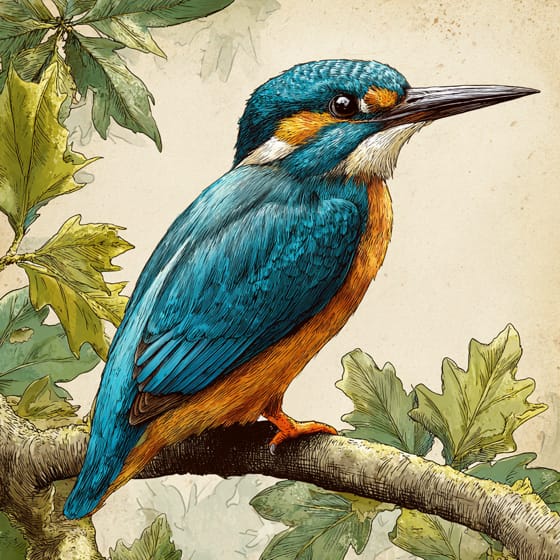
Alcedo atthis
hunts them in shallow waters
Channa punctata
larger fish that prey on them
Culex pipiens
larvae are a food source
Daphnia pulex
tiny zooplankton they consume
Wildlife encompasses all undomesticated animal and plant life existing in their natural habitats.
Marked with parallel bands or lines of color.
Social animals live in organized groups, cooperating for survival benefits such as foraging, defense, and raising offspring.
This trait identifies organisms whose diet includes both plant and animal matter.

Freshwater habitats include non-saline aquatic environments such as rivers, lakes, ponds, and wetlands, vital for numerous species.

Describes a species whose presence and role have a disproportionately large effect on its environment.

This trait identifies organisms that exhibit exceptional swiftness in movement for hunting, escape, or travel.

Aquatic habitats encompass environments where organisms live predominantly in water, including oceans, rivers, lakes, and wetlands.
Danger
2/5 · Low
Watch quietly from a distance and never try to feed or chase wild animals.
3-5 cm
0.0002-0.0007 kg
2-5 years
These tiny fish munch on small insects and plant bits floating in the water.
2.5 km/h
Freshwater streams and ponds
Foraging
1.5 m
Zoom in to split clusters and explore where this object has been snapped.
Recent snaps will appear here as new observations are added.