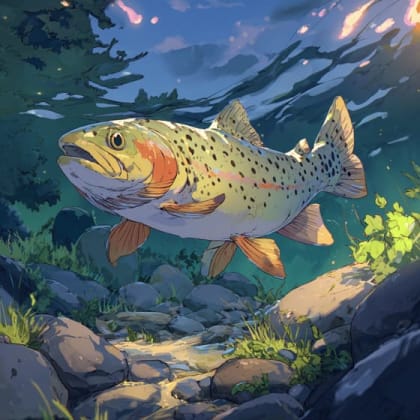
Zander
Sander lucioperca
The Zander is a sleek fish that looks a lot like a pike. It has sharp teeth and is a great swimmer!
Habitat: Lakes and rivers
The Zander has a long, slender body with a greenish-brown back and silvery flanks. It features distinct dark vertical bars or blotches along its sides. Its large, prominent eyes help it spot prey in dim light, and it has two dorsal fins, one spiny.
Category
FishRarity
Rare
Danger
2/5 · Low
Snaps
Be the first to snap!
Female Zander can lay hundreds of thousands of tiny eggs in just one season!
These fish were introduced to many European waters and even parts of the UK!
They are excellent at hunting in cloudy water, making them tough for prey to spot!
Zander are related to Walleye, both known for their big, shiny eyes!
Zander can see very well in low light because of special reflective cells in their eyes, helping them hunt at dawn and dusk.
Zander has a streamlined body and camouflaged patterns that help it blend into its watery surroundings, ambushing unsuspecting prey.
Zander has a spiny first dorsal fin that helps protect it from predators, making it harder to swallow.
Zander are expert hunters that primarily eat smaller fish.
Age differences: Young Zander start by eating zooplankton and invertebrates before switching to a fish-only diet as they grow larger.
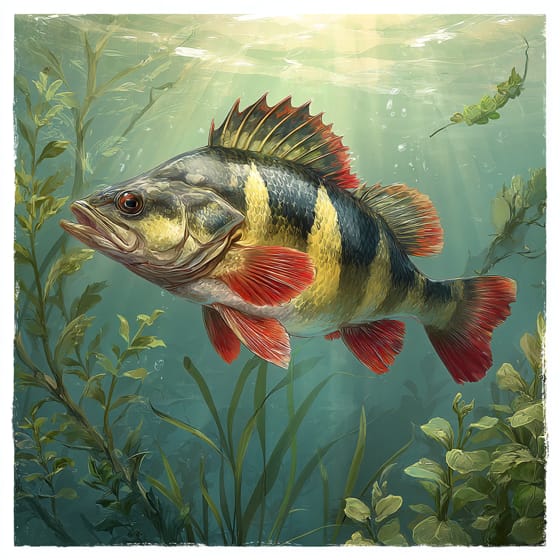
Perca fluviatilis
A common prey fish
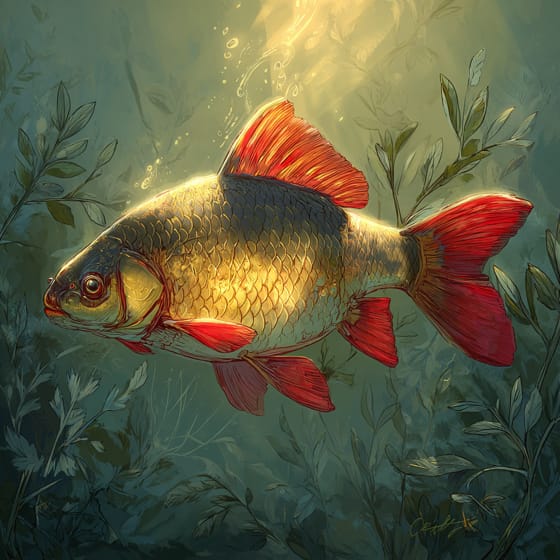
Rutilus rutilus
A primary food source
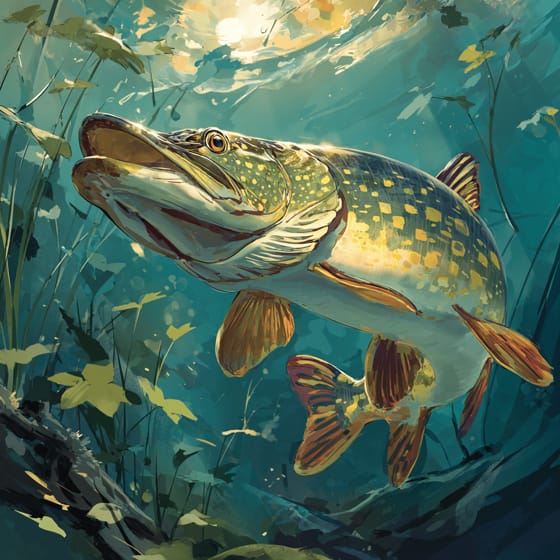
Esox lucius
Larger pike eat smaller Zander
Lutra lutra
Otters prey on Zander
Wildlife encompasses all undomesticated animal and plant life existing in their natural habitats.
Piscivorous organisms are animals that primarily subsist on a diet of fish.
An ambush predator hunts by patiently waiting and concealing itself, then launching a sudden attack when unsuspecting prey comes within range.
Freshwater habitats include non-saline aquatic environments such as rivers, lakes, ponds, and wetlands, vital for numerous species.

Aquatic habitats encompass environments where organisms live predominantly in water, including oceans, rivers, lakes, and wetlands.

Nocturnal animals are primarily active during the nighttime hours, typically resting or sleeping during the day.
Danger
2/5 · Low
Watch quietly from a distance and never try to feed or chase wild animals.
The easiest way to identify Zander is to use the Snappit nature identifier app.
40-100 cm
0.5-15 kg
10-20 years
Zander are expert hunters that primarily eat smaller fish.
25 km/h
Lakes and rivers
Ambush
Zoom in to split clusters and explore where this object has been snapped.
Recent snaps will appear here as new observations are added.
Take the discovery with you
Snap it with Snappit to identify it, learn what makes it special, and add the discovery to your collection.