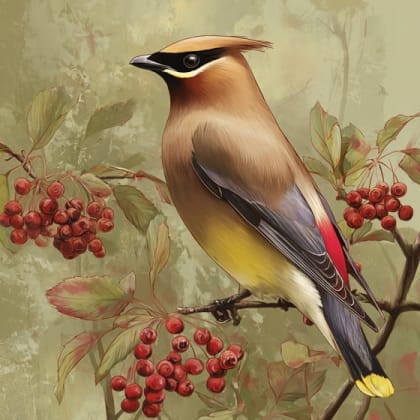
Lovebird
Agapornis
The Lovebird is a small, colorful bird known for its affectionate nature. They love to cuddle and be with their partners!
Habitat: Savannas and forests
The Lovebird is a small, stocky parrot with a short blunt tail. They typically have vibrant plumage, often featuring striking contrasts like a green body with a red or orange face, making them visually distinct from many larger parrots.
Category
BirdsRarity
Common
Danger
2/5 · Low
Snaps
Be the first to snap!
Lovebirds got their name because they form strong, lifelong pair bonds.
Some Lovebird species tuck nesting materials into their tail feathers!
Their tiny legs have two toes forward and two back for climbing.
Wild lovebirds nest in tree hollows or crevices in rocks.
Lovebird has a powerful, curved beak that helps them crack open tough seeds and nuts.
Lovebird can fly with quick, darting movements because of their short wings, helping them navigate dense canopies.
Lovebird can carry nesting materials tucked into their rump feathers, which helps them build cozy homes.
Lovebirds mainly munch on seeds, fruits, and veggies, keeping them healthy and energetic!
Falco tinnunculus
Kestrels are a natural predator, preying on adult lovebirds.
Dispholidus typus
Snakes can raid lovebird nests for eggs and chicks.
Acacia nilotica
Lovebirds forage on seeds and young shoots from acacia trees.
Wildlife encompasses all undomesticated animal and plant life existing in their natural habitats.
Feathered describes animals, primarily birds, possessing a covering of feathers.
Social animals live in organized groups, cooperating for survival benefits such as foraging, defense, and raising offspring.
This trait identifies organisms whose diet includes both plant and animal matter.

Colorful describes organisms or objects displaying a wide range of bright and distinct colors.

This habitat trait denotes species native to savannas, which are grasslands with scattered trees, typically found in tropical or subtropical regions with distinct wet and dry seasons.
Danger
2/5 · Low
Watch quietly from a distance and never try to feed or chase wild animals.
13-17 cm
20-25 cm
0.04-0.06 kg
10-15 years
60 km/h
Lovebirds mainly munch on seeds, fruits, and veggies, keeping them healthy and energetic!
Savannas and forests
Foraging
Zoom in to split clusters and explore where this object has been snapped.
Recent snaps will appear here as new observations are added.