




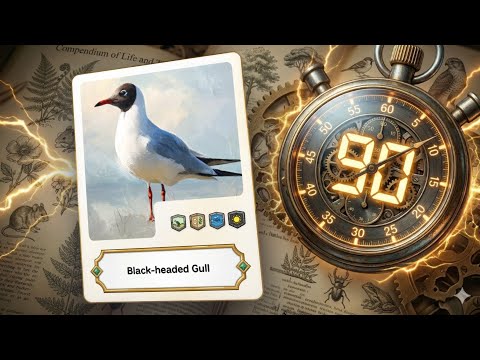
Black-headed Gull
Chroicocephalus ridibundus
The Black-headed Gull is a playful bird often seen near water. It has a striking black head in summer and a cheerful white body. These gulls love to dive for food and can be very curious!
Habitat: Coastal areas
The Black-headed Gull is a medium-sized gull with a distinctive chocolate-brown head in summer, which turns white with a dark spot behind the eye in winter. It has a white body, pale grey wings with black wingtips, and striking red legs and beak.
Category
BirdsRarity
Common
Danger
1/5 · Very low
Snaps
18
A Black-headed Gull was once recorded living for over 32 years!
These gulls' 'black' heads are actually dark chocolate brown, not truly black!
They are known to follow farmers' ploughs to feast on freshly exposed grubs.
They often stamp their feet on the ground to make worms come to the surface!
Black-headed Gulls can eat almost anything because of their highly adaptable diet that helps them thrive in many environments.
Black-headed Gulls have excellent group foraging skills that help them find food efficiently in large colonies.
Black-headed Gulls can fly with impressive agility and speed because of their streamlined bodies and strong wings.
Black-headed Gulls have a unique head plumage change that helps them blend in differently during summer and winter.
This adaptable bird eats nearly everything, from tiny insects to human leftovers!
Lumbricus terrestris
Searches for them in soft ground.
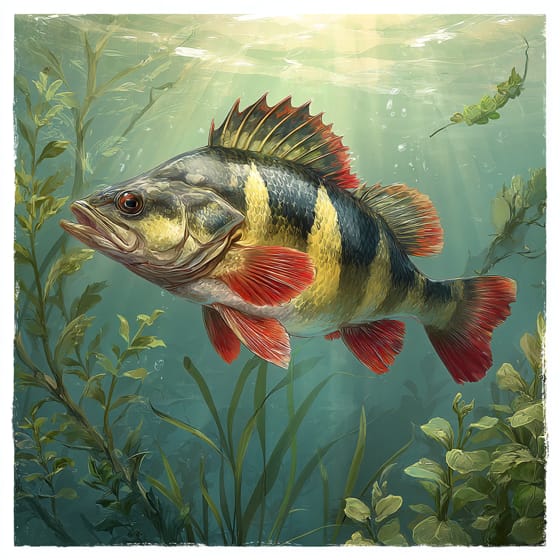
Perca fluviatilis
Catches small fish near the water surface.
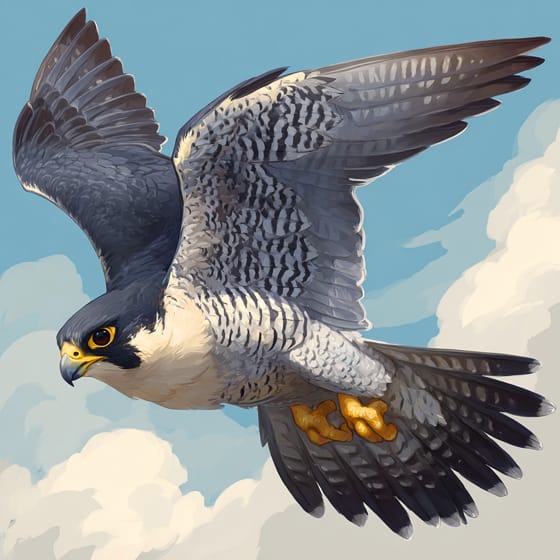
Falco peregrinus
Fast raptors can hunt adult gulls.
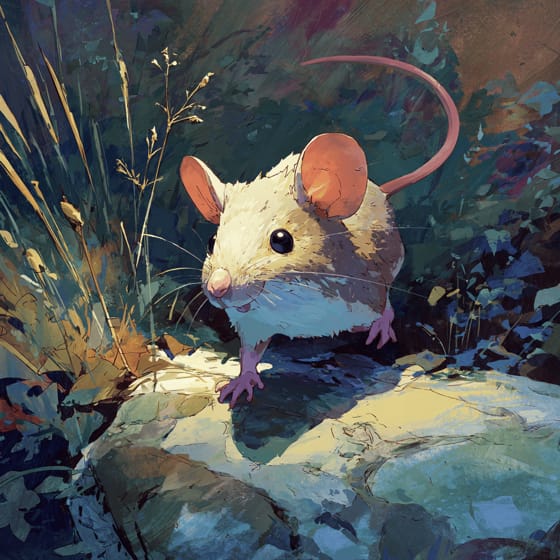
Mus musculus
Occasionally preys on small rodents.
Homo sapiens
Often scavenges food waste from human activity.
Feathered describes animals, primarily birds, possessing a covering of feathers.
Social animals live in organized groups, cooperating for survival benefits such as foraging, defense, and raising offspring.
Scavengers consume dead organic matter, helping to decompose carcasses and other waste in the ecosystem.
Colorful describes organisms or objects displaying a wide range of bright and distinct colors.
Gliding animals move through the air by launching themselves and maintaining flight with specialized body structures, without flapping wings.

Piscivorous organisms are animals that primarily subsist on a diet of fish.

Coastal habitats are dynamic environments located along the interface between land and sea, influenced by tides, waves, and saltwater.

Diurnal animals are primarily active during daylight hours, typically resting or sleeping at night.
Danger
1/5 · Very low
Watch these birds from a distance and don't feed them, as they can get too close!
The easiest way to identify Black-headed Gull is to use the Snappit nature identifier app.
37-44 cm
90-105 cm
0.195-0.4 kg
5-20 years
50 km/h
This adaptable bird eats nearly everything, from tiny insects to human leftovers!
Coastal areas
Zoom in to split clusters and explore where this object has been snapped.
.jpg)
Municipal District of Cobh, IE
You might spot Ring-Tailed Lemur, Giraffes, and Cheetahs.
View guide →

North Rhine-Westphalia, DE
You might spot Giant Anteaters, Angolan Giraffe, and Giant Otter.
View guide →

South Holland, NL
You might spot Polar Bear, Gorilla, and Asiatic Lion.
View guide →

Hainaut, BE
You might spot Giant Panda, Polar Bear, and Tiger.
View guide →

Berlin, DE
You might spot Giant Panda, Asian Elephant, and Hippopotamus.
View guide →

England, UK
You might spot Blacktip Reef Shark, Gentoo Penguin, and Sea Turtle.
View guide →
Take the discovery with you
Snap it with Snappit to identify it, learn what makes it special, and add the discovery to your collection.





.jpg&width=800)








