





Cedar Waxwing
Bombycilla cedrorum
Cedar Waxwings are beautiful birds with soft, yellow bellies and stylish crests on their heads. They love to eat berries and often travel in cheerful groups.
Habitat: Forests and gardens
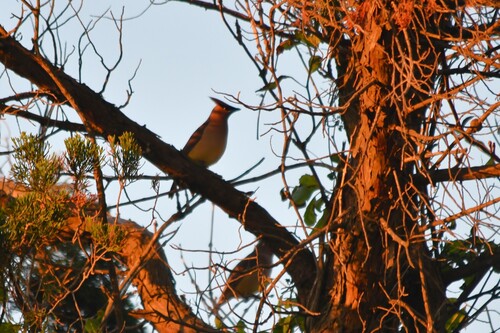
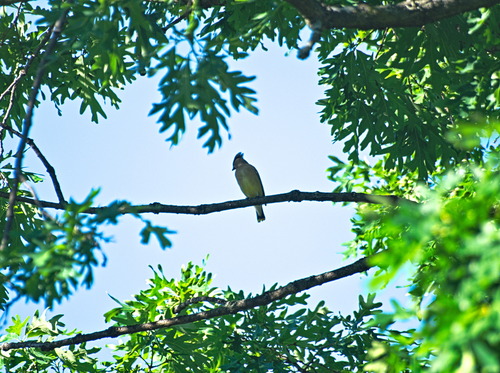
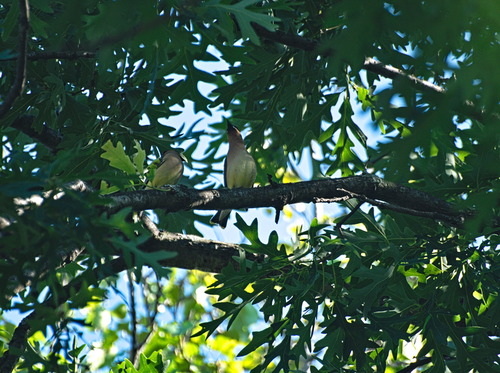
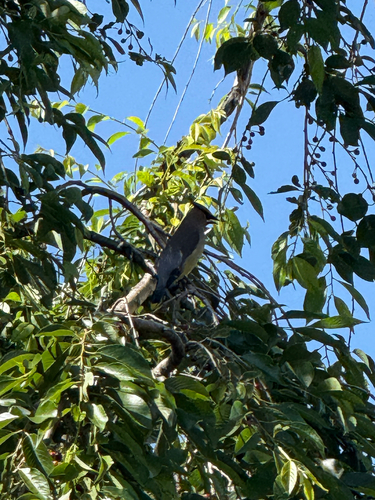
The Cedar Waxwing has a sleek, brown and gray body with a pale yellow belly, a prominent crest, and a black bandit mask. Its tail has a bright yellow tip, and its wings feature unique red, waxy droplets.
Category
BirdsRarity
Common
Danger
1/5 · Very low
Snaps
129
Baby waxwings leave the nest even before they can fly well!
Their distinctive black eye mask is called a supercilium!
They sometimes get tipsy from eating fermented berries!
Waxwings pass berries beak-to-beak down a whole line!
Cedar Waxwings can digest large amounts of fruit quickly because of their special stomach, helping them fuel up on berries.
Cedar Waxwings have red, waxy drops on their wing feathers that may help them show off to potential mates.
Cedar Waxwings can communicate with a high-pitched, whistled call, helping their flock stay together while flying.
These birds mainly eat fruits and berries, but also snack on insects, especially in summer.
Age differences: Young birds eat mostly insects for protein, shifting to a fruit-heavy diet as adults.
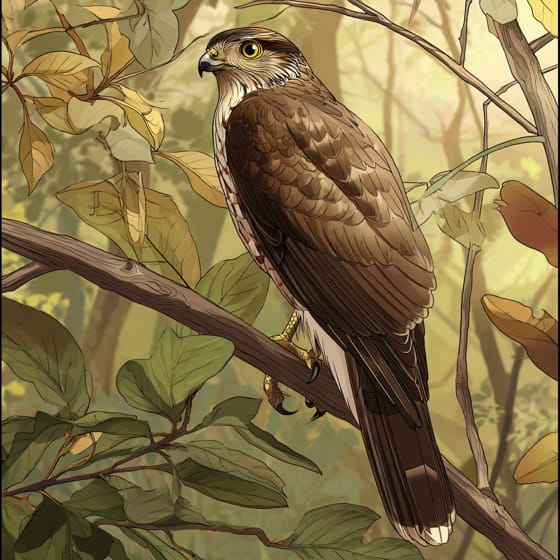
Accipiter cooperii
A primary predator of adult waxwings.

Juniperus virginiana
Feeds on its berries, giving them their name.

Prunus serotina
Consumes ripe fruit from these trees.
Bombus impatiens
An occasional insect prey item.
Wildlife encompasses all undomesticated animal and plant life existing in their natural habitats.
Feathered describes animals, primarily birds, possessing a covering of feathers.
Social animals live in organized groups, cooperating for survival benefits such as foraging, defense, and raising offspring.
This trait identifies organisms whose diet includes both plant and animal matter.

Singing animals produce complex vocalizations, often for purposes of attracting mates, defending territory, or communicating within their species.

Forest habitats are terrestrial environments dominated by dense tree cover, supporting a high diversity of plant and animal life.
Danger
1/5 · Very low
Cedar Waxwings are friendly birds. Just enjoy watching them from a distance!
The easiest way to identify Cedar Waxwing is to use the Snappit nature identifier app.
14-17 cm
28-32 cm
0.03-0.035 kg
5-8 years
40 km/h
These birds mainly eat fruits and berries, but also snack on insects, especially in summer.
Forests and gardens
Zoom in to split clusters and explore where this object has been snapped.
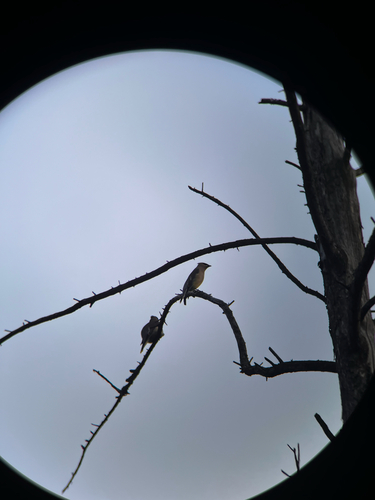
Jun 6, 2026
Bascom HillPhoto attribution
(c) Mason Holum, some rights reserved (CC BY)
License: CC BY 4.0 ↗
Image may be shown cropped inside the card frame.
Jun 3, 2026
Fort MilesPhoto attribution
(c) inbetweenbays, some rights reserved (CC BY)
License: CC BY 4.0 ↗
Image may be shown cropped inside the card frame.
Jun 1, 2026
Four CornersPhoto attribution
(c) Yoatzin Peñaflor, some rights reserved (CC BY)
License: CC BY 4.0 ↗
Image may be shown cropped inside the card frame.
Jun 1, 2026
Four CornersPhoto attribution
(c) Yoatzin Peñaflor, some rights reserved (CC BY)
License: CC BY 4.0 ↗
Image may be shown cropped inside the card frame.
May 31, 2026
Jenkins ArboretumPhoto attribution
(c) Brian White, some rights reserved (CC BY)
License: CC BY 4.0 ↗
Image may be shown cropped inside the card frame.

New York, US
You might spot Sundial Lupine, Spotted Horsemint, and New Jersey Tea.
View guide →
New York, US
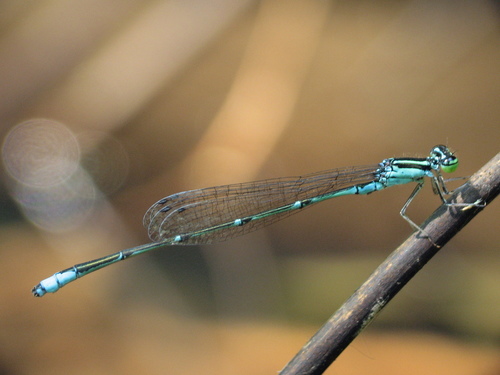
You might spot Stream Bluet, Variable Dancer, and Eastern Pondhawk.
View guide →

Washington, US
You might spot Pacific Tree Frog and Long-Toed Salamander.
View guide →

Michigan, US
You might spot Monarch, Canada Goose, and Eastern Gray Squirrel.
View guide →

New York, US
You might spot American Robin, Pond Slider, and Northern Cardinal.
View guide →

Michigan, US
You might spot Monarch, Canada Goose, and Eastern Gray Squirrel.
View guide →
Take the discovery with you
Snap it with Snappit to identify it, learn what makes it special, and add the discovery to your collection.




.jpg&width=800)









