Transparent Amphipod
The Transparent Amphipod is a tiny, see-through creature that lives in freshwater habitats. It looks like a little ghost swimming in the water!
Habitat: Freshwater
The Transparent Amphipod is a small, shrimp-like creature with a largely translucent or glass-like body, allowing its internal organs to be faintly visible. It has a distinctive laterally compressed, segmented form, giving it a flattened appearance from side to side. Its lack of prominent coloration makes it incredibly difficult to spot in aquatic environments.
Category
InvertebrateRarity
Common
Danger
1/5 · Very low
Snaps
Be the first to snap!
Many mothers carry their tiny babies in a special pouch under their body.
Some species can survive in extremely cold polar waters!
Their name means 'different foot,' referring to their varied leg types!
They often swim on their sides, which looks very unusual!
Transparent Amphipod can become almost invisible in water because of its clear body that helps them avoid predators.
Transparent Amphipod has powerful U-shaped bodies that help them rapidly flick and propel through water, making sudden escapes possible.
Transparent Amphipod can efficiently process decaying organic matter because of specialized mouthparts that help them keep aquatic habitats clean.
These tiny scavengers munch on decaying plants and animals, helping to clean up underwater habitats.
Gadus morhua
A vital food source for many bottom-dwelling fish.
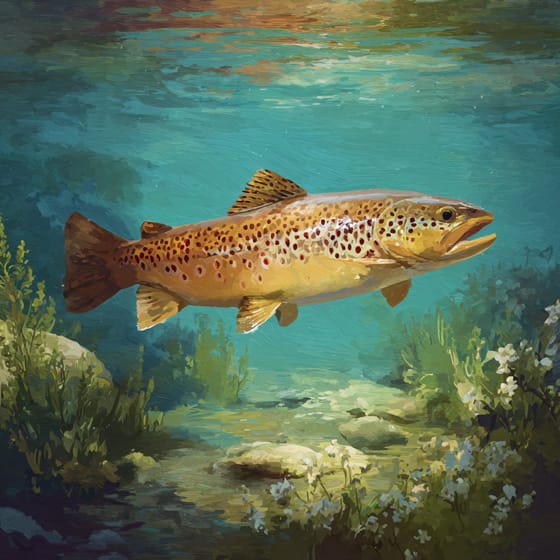
Salmo trutta
An important part of freshwater trout diets.
Chlamydomonas reinhardtii
Helps control algal blooms in some aquatic systems.
Macrocystis pyrifera
Finds refuge and food among kelp fronds.
This trait identifies organisms whose diet includes both plant and animal matter.
Camouflaged describes organisms that possess coloring or patterns that allow them to blend into their environment.
Colorful describes organisms or objects displaying a wide range of bright and distinct colors.
Filter feeders obtain nutrients by straining suspended food particles and small organisms from water.

Freshwater habitats include non-saline aquatic environments such as rivers, lakes, ponds, and wetlands, vital for numerous species.
Regenerative organisms possess the ability to regrow lost or damaged body parts, tissues, or organs.

Nocturnal animals are primarily active during the nighttime hours, typically resting or sleeping during the day.
No aliases listed yet.
Danger
1/5 · Very low
When exploring freshwater areas, be careful not to disturb the delicate balance of life in the water.
5-20 mm
90-365 days
These tiny scavengers munch on decaying plants and animals, helping to clean up underwater habitats.
Freshwater
Foraging
14
Zoom in to split clusters and explore where this object has been snapped.
Recent snaps will appear here as new observations are added.