Copperhead
Agkistrodon contortrix
The Copperhead is a medium-sized snake with beautiful copper-colored markings. It is known for its calm nature and likes to blend in with its surroundings.
Habitat: Wooded areas and rocky hills.
The Copperhead has a stout body with a distinctive copper-brown head and striking, dark brown hourglass-shaped bands across a lighter tan or pinkish-brown background. Its patterned coloration provides excellent camouflage amidst leaf litter, making it exceptionally difficult to spot.
Category
ReptilesRarity
Rare
Danger
5/5 · Extreme
Snaps
29
Baby copperheads wiggle their bright yellow tail tips to trick frogs into coming closer!
Copperheads give birth to live babies, not eggs, and they are born ready to bite!
If threatened, they might vibrate their tail like a rattlesnake, but without the rattle sound!
Their venom helps them digest their food even before they swallow it whole.
Copperhead has patterned scales that perfectly blend with forest floors, helping them disappear from predators and prey.
Copperhead can 'see' heat using special pits near its nostrils, allowing them to hunt warm-blooded prey even in darkness.
Copperhead has a venomous bite that helps them quickly overpower prey, making meals easier to catch and digest.
Copperheads are carnivores that hunt small animals and insects, patiently ambushing their meals.
Age differences: Young copperheads eat mostly insects, while adults prefer larger prey like rodents and birds.
Peromyscus leucopus
A favorite small rodent meal.
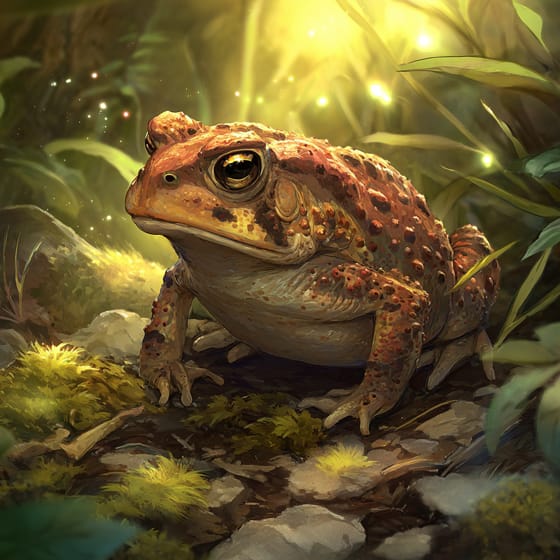
Anaxyrus americanus
Juvenile snakes often target them.
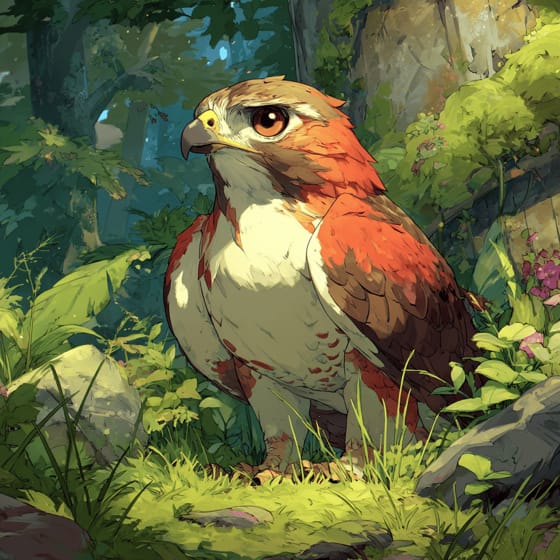
Buteo jamaicensis
Large birds of prey might hunt them.
Didelphis virginiana
Opossums are immune to their venom.
Wildlife encompasses all undomesticated animal and plant life existing in their natural habitats.
Camouflaged describes organisms that possess coloring or patterns that allow them to blend into their environment.
An ambush predator hunts by patiently waiting and concealing itself, then launching a sudden attack when unsuspecting prey comes within range.
This trait signifies organisms belonging to a very old evolutionary group with ancestors dating back millions of years.

Forest habitats are terrestrial environments dominated by dense tree cover, supporting a high diversity of plant and animal life.

This trait identifies organisms whose diet consists entirely or primarily of animal tissue.

Nocturnal animals are primarily active during the nighttime hours, typically resting or sleeping during the day.

Venomous organisms produce toxins that are injected into another animal, typically through a bite or sting.
Danger
5/5 · Extreme
Look but don’t touch. Keep a safe distance and wash hands after exploring.
60-135 cm
0.1-0.5 kg
15-25 years
6 km/h
Copperheads are carnivores that hunt small animals and insects, patiently ambushing their meals.
Wooded areas and rocky hills.
Ambush
Zoom in to split clusters and explore where this object has been snapped.
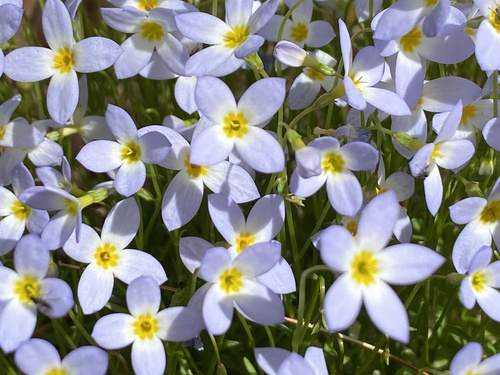
Virginia, US
You might spot Azure Bluet and Allegheny Blackberry.
View guide →
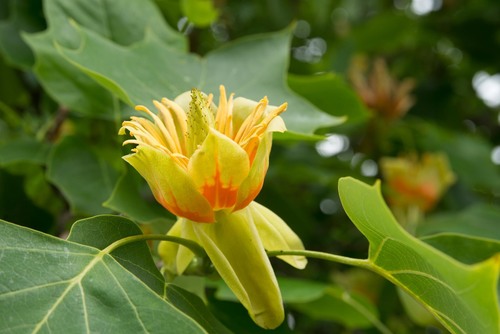
Virginia, US
You might spot American Tuliptree and Japanese Snowball.
View guide →
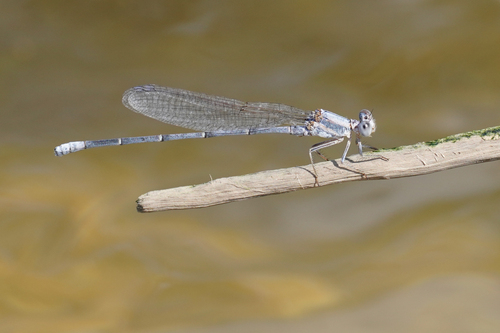
Texas, US
You might spot Powdered Dancer and Glassy-Winged Sharpshooter.
View guide →