





American Toad
Anaxyrus americanus
The American Toad is a friendly toad that loves to hop around in gardens! They have bumpy skin and big eyes.
Habitat: Gardens, fields, and forests
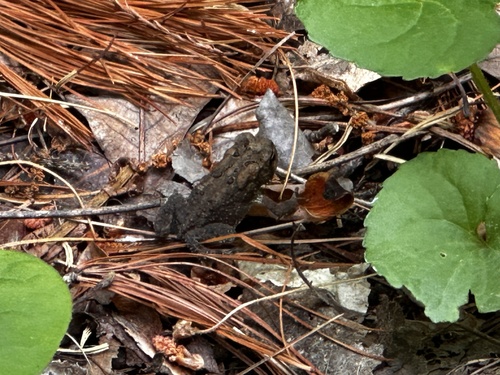
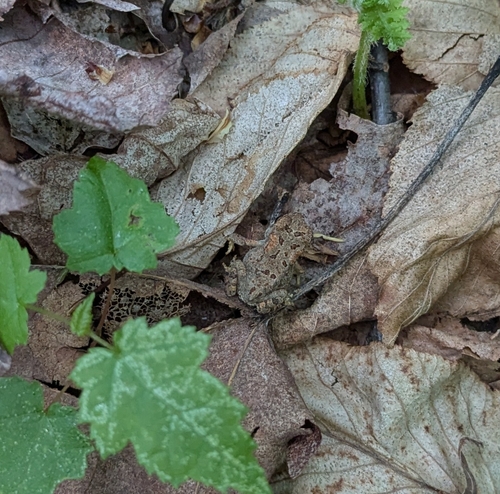
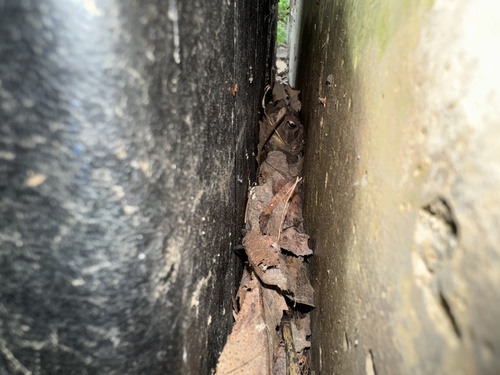
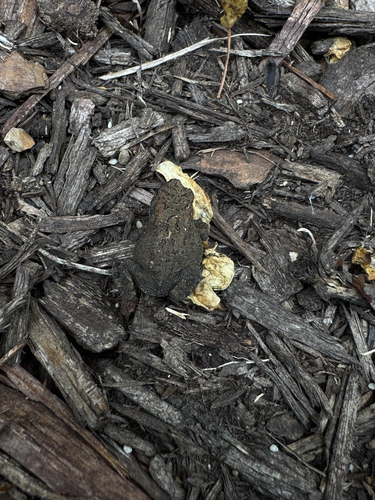
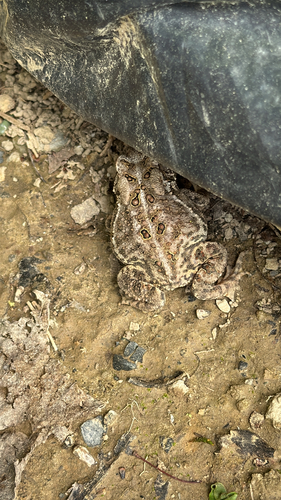
The American Toad has dry, bumpy skin that ranges from brown and grey to reddish or olive-green. It often displays dark spots containing one or two warts, and usually has a light stripe down its back. Its large parotoid glands are located behind its eyes.
Category
AmphibiansRarity
Common
Danger
2/5 · Low
Snaps
510
A group of toads is surprisingly called a "knot."
American Toads can live for over 30 years in protected environments!
American Toads eat their own shed skin, full of nutrients!
They absorb water right through their skin, not by drinking!
American Toads have special glands behind their eyes that release a mild toxin, making them taste bad to most animals trying to eat them.
American Toads can launch their long, sticky tongue incredibly fast to snatch up insects, which helps them catch wiggly prey for dinner.
American Toads can dig into soft soil using their hind legs, creating safe underground shelters to stay cool and hide from danger.
These toads are insect-eating champions, gobbling up pesky bugs to keep gardens healthy!
Age differences: Tadpoles primarily feed on algae and plant matter, while adult toads are strict carnivores.
Thamnophis sirtalis
A common predator of adult toads.
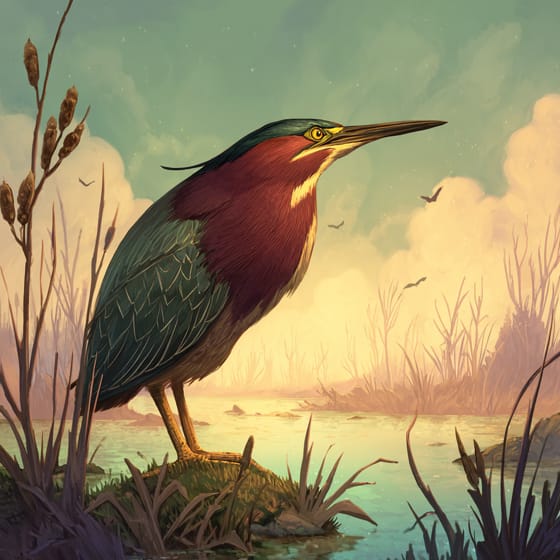
Butorides virescens
Birds like herons often prey on toads.
Formica subsericea
Ants are a primary food source for toads.
Manduca sexta
Toads help control garden pests.
Wildlife encompasses all undomesticated animal and plant life existing in their natural habitats.
This trait identifies organisms whose diet primarily consists of insects and other small invertebrates.
Forest habitats are terrestrial environments dominated by dense tree cover, supporting a high diversity of plant and animal life.
This trait characterizes organisms with an exceptionally long lifespan compared to others of their kind.

Nocturnal animals are primarily active during the nighttime hours, typically resting or sleeping during the day.
Danger
2/5 · Low
Look but don’t touch. Keep a safe distance and wash hands after exploring.
The easiest way to identify American Toad is to use the Snappit nature identifier app.
5-10 cm
0.02-0.08 kg
5-10 years
0.1 km/h
These toads are insect-eating champions, gobbling up pesky bugs to keep gardens healthy!
Gardens, fields, and forests
Ambush
Zoom in to split clusters and explore where this object has been snapped.
Jun 7, 2026
SkylandsPhoto attribution
(c) gwt2102, some rights reserved (CC BY)
License: CC BY 4.0 ↗
Image may be shown cropped inside the card frame.
Jun 6, 2026
Rhododendron State ParkPhoto attribution
(c) Cam Fox, some rights reserved (CC BY)
License: CC BY 4.0 ↗
Image may be shown cropped inside the card frame.
Jun 6, 2026
Binghamton Zoo at Ross ParkPhoto attribution
(c) David Weisenbeck, some rights reserved (CC BY)
License: CC BY 4.0 ↗
Image may be shown cropped inside the card frame.
Jun 5, 2026
Mount Nord Historic DistrictPhoto attribution
(c) Zachary Long, some rights reserved (CC BY)
License: CC BY 4.0 ↗
Image may be shown cropped inside the card frame.
Jun 2, 2026
Kingston Stockade DistrictPhoto attribution
(c) Dustin, some rights reserved (CC BY)
License: CC BY 4.0 ↗
Image may be shown cropped inside the card frame.
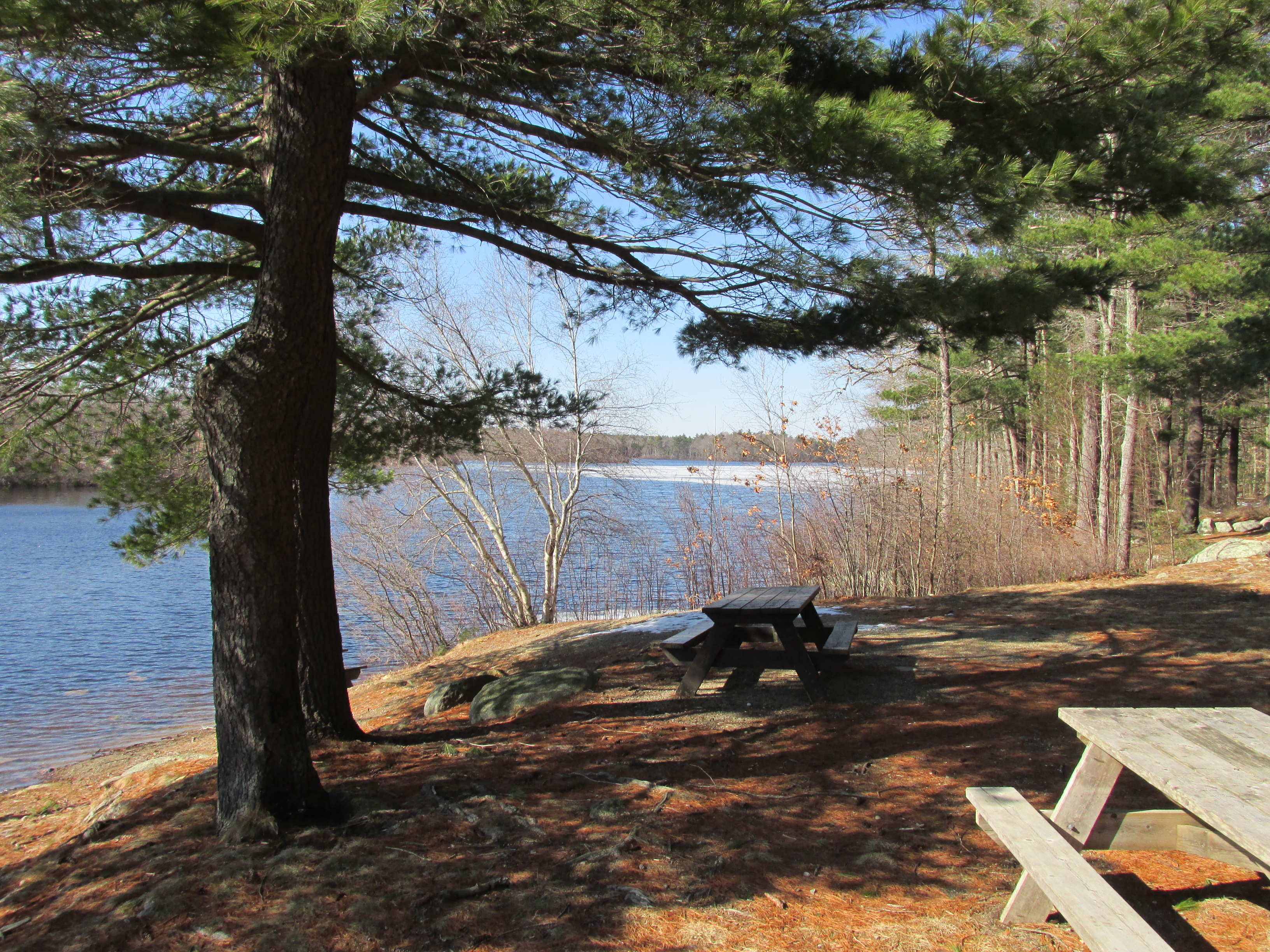
Massachusetts, US
You might spot Eastern White Pine and Common Eastern Bumble Bee.
View guide →

Massachusetts, US
You might spot Eastern Cottontail and American Robin.
View guide →

Pennsylvania, US
You might spot Mountain Laurel, Ghost Pipe, and Sweetfern.
View guide →

Connecticut, US
You might spot Striped Wintergreen and Common Eastern Bumble Bee.
View guide →

Pennsylvania, US
You might spot Pinesap, Great Rhododendron, and Mountain Laurel.
View guide →

Vermont, US
You might spot Asian Bittersweet, Alder Buckthorn, and Eastern Newt.
View guide →
Take the discovery with you
Snap it with Snappit to identify it, learn what makes it special, and add the discovery to your collection.








.JPG&width=800)



.jpg&width=800)
