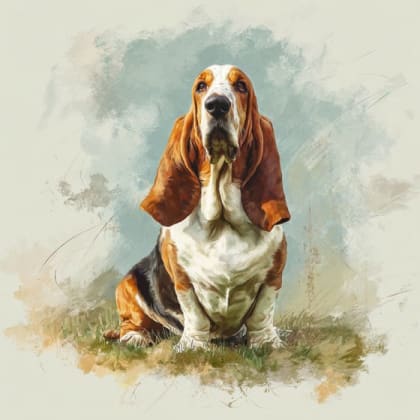


Deer
Cervidae
Deer are gentle animals that live in forests and fields. They have long legs and can run very fast to escape from danger. Their beautiful antlers grow on males and are shed every year!
Habitat: Forests
The Deer is a graceful mammal with slender legs and a body that can range from reddish-brown to grayish-brown, often with white patches on the rump or belly. Males typically grow impressive, branched antlers which are shed and regrown annually, making them visually distinct from other hoofed animals.
Category
MammalsRarity
Common
Danger
2/5 · Low
Snaps
Be the first to snap!
A group of deer is often called a herd, but sometimes it's called a 'parcel'!
Deer antlers are the fastest-growing bone in the animal kingdom!
Deer have a special stomach with four chambers to digest tough plants!
When alarmed, deer often flash their white tail or rump as a warning signal!
Deer can regrow their entire complex set of antlers every year, which helps them compete for mates and defend themselves.
Deer can leap high and run swiftly through dense forests because of their powerful leg muscles that help them escape predators.
Deer have excellent hearing and a powerful sense of smell that helps them detect dangers or find hidden food sources.
Deer are plant-eaters, munching on leaves, twigs, fruits, and grass to get their energy!
Age differences: Young fawns primarily drink milk from their mother, gradually transitioning to solid plant foods.
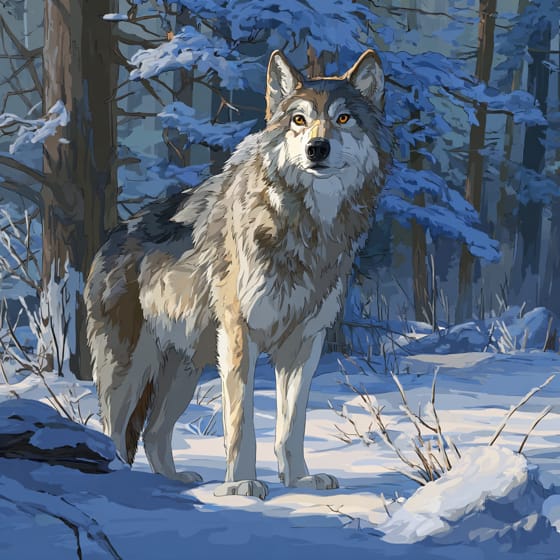
Canis lupus
A primary predator of deer in many northern habitats.
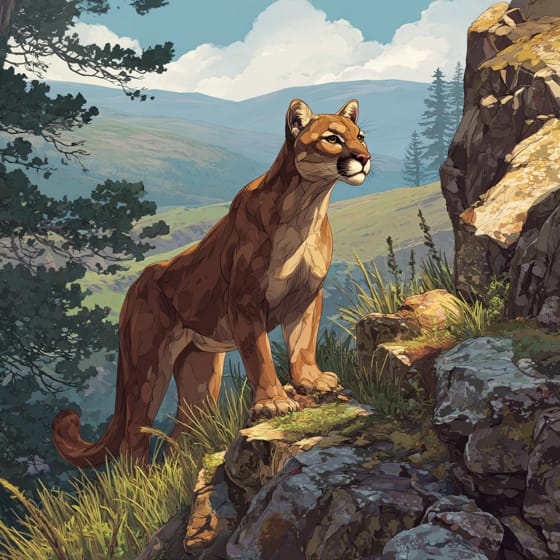
Puma concolor
Stalks and preys on deer in mountainous regions.
Quercus rubra
Deer browse on its leaves and eat its acorns.
Rubus idaeus
Deer eat the berries, helping to spread its seeds.
Furry describes animals possessing a dense covering of soft hair or fur.
Marked with spots or patches of a different color.
Social animals live in organized groups, cooperating for survival benefits such as foraging, defense, and raising offspring.
Antlered describes animals possessing antlers, which are bony, branching growths found predominantly on male deer and related species.

This trait characterizes organisms whose diet consists entirely or primarily of plant material.

Forest habitats are terrestrial environments dominated by dense tree cover, supporting a high diversity of plant and animal life.

Diurnal animals are primarily active during daylight hours, typically resting or sleeping at night.

Describes a species whose presence and role have a disproportionately large effect on its environment.

This trait identifies organisms that exhibit exceptional swiftness in movement for hunting, escape, or travel.
Danger
2/5 · Low
If you see a deer, watch quietly from a distance and do not approach it.
90-250 cm
25-400 kg
5-20 years
70 km/h
Deer are plant-eaters, munching on leaves, twigs, fruits, and grass to get their energy!
Forests
Grazing
1-3
Zoom in to split clusters and explore where this object has been snapped.
Recent snaps will appear here as new observations are added.




.JPG)