





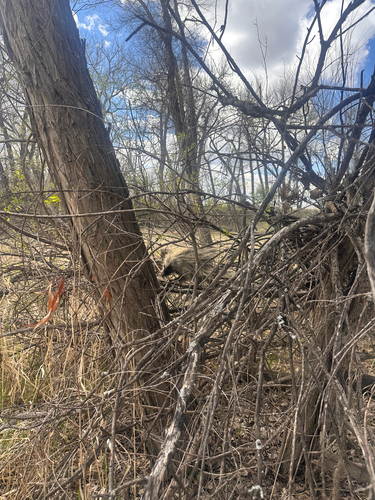
North American Porcupine
Erethizon dorsatum
The North American Porcupine is a spiky animal that loves to climb trees! It has sharp quills that help protect it from predators. These friendly creatures are mostly nocturnal and enjoy munching on leaves and bark.
Habitat: Forests
The North American Porcupine is a large, stocky rodent covered in thousands of sharp, barbed quills, giving it a distinctive spiky appearance. Its fur varies from yellowish-brown to dark brown or black, often with lighter tips on its quills. It has short legs, a muscular tail, and small eyes and ears.
Category
MammalsRarity
Common
Danger
2/5 · Low
Snaps
32
A baby porcupine is called a 'porcupette' and is born with soft quills!
Porcupines love salt and will chew on anything salty, even tool handles!
Their quills are actually modified hairs, not just pointy spines, and are hollow!
They can wag their tail like a club to embed quills into an attacker!
North American Porcupine can detach its barbed quills when threatened, making them stick in predators because of their unique design.
North American Porcupine has strong claws and a gripping tail that helps them climb trees for food and safety with ease.
North American Porcupine can digest tough tree bark in winter because of special gut microbes, helping them survive when food is scarce.
North American Porcupine can release a strong musky odor when startled that helps them warn predators before using quills.
They mostly eat tree bark, leaves, buds, and twigs, especially in winter when other food is scarce.
Age differences: Young porcupettes nurse from their mother, then gradually transition to eating soft vegetation and eventually tough tree bark.
Pekania pennanti
One of its few specialized predators, adept at flipping the porcupine.
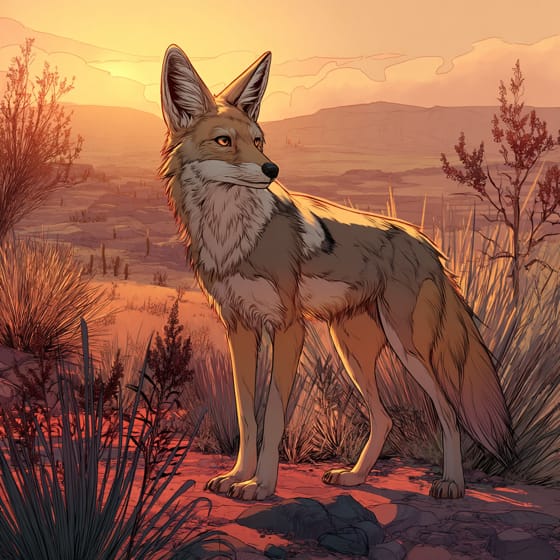
Canis latrans
Preys on porcupines, often trying to avoid their sharp quills.
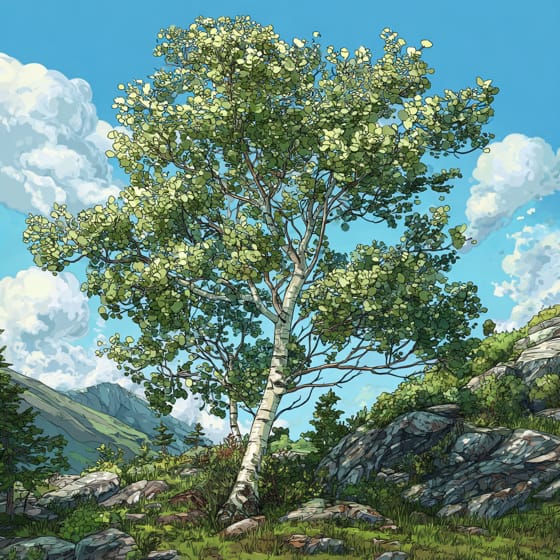
Populus tremuloides
A favored food source, especially its nutritious inner bark during winter.
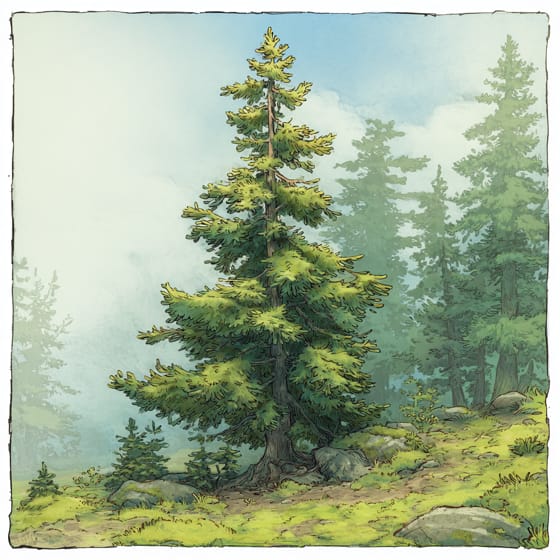
Abies balsamea
Feeds on its needles and bark, particularly in coniferous forest habitats.
Furry describes animals possessing a dense covering of soft hair or fur.
Solitary animals live alone for most of their lives, only interacting with others for mating or parental care.
Arboreal animals live primarily in trees, utilizing them for shelter, food, and protection from predators.
This trait characterizes organisms whose diet consists entirely or primarily of plant material.

Forest habitats are terrestrial environments dominated by dense tree cover, supporting a high diversity of plant and animal life.

Possessing sharp, pointed projections or spines on the body or surface.

Describes a species whose presence and role have a disproportionately large effect on its environment.

Nocturnal animals are primarily active during the nighttime hours, typically resting or sleeping during the day.
Danger
2/5 · Low
If you see a porcupine, admire it from a distance. Don't try to touch it because of its sharp quills.
The easiest way to identify North American Porcupine is to use the Snappit nature identifier app.
75-120 cm
5-15 kg
5-10 years
5 km/h
They mostly eat tree bark, leaves, buds, and twigs, especially in winter when other food is scarce.
Forests
Foraging
Zoom in to split clusters and explore where this object has been snapped.
May 19, 2026
Fort BufordPhoto attribution
no rights reserved
License: CC0 1.0 ↗
Image may be shown cropped inside the card frame.
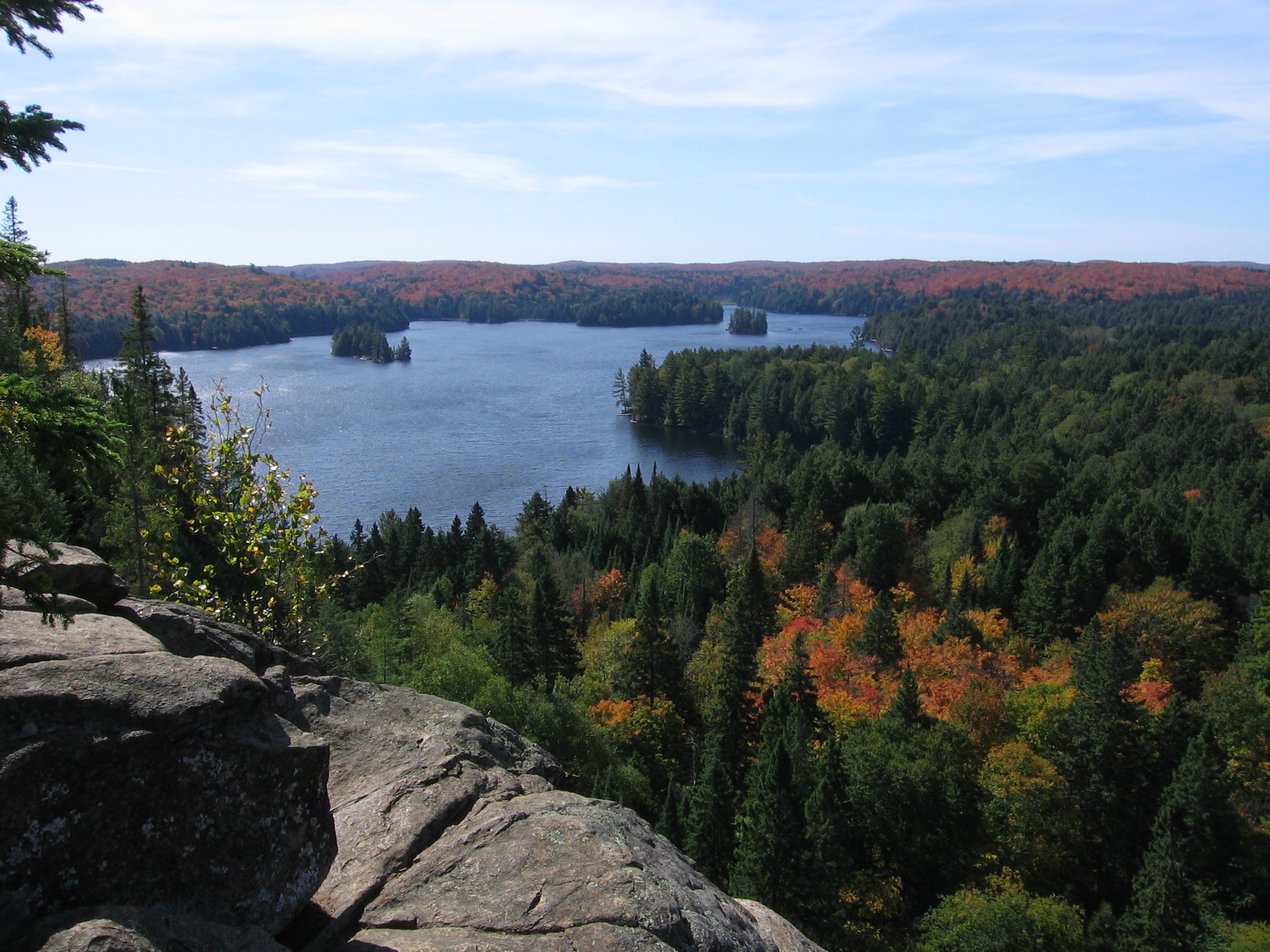
Ontario, CA
You might spot Canada Jay, American Beaver, and Black-Capped Chickadee.
View guide →

Massachusetts, US
You might spot Eastern Newt, Purple Pitcher Plant, and Hobblebush.
View guide →

Vermont, US
You might spot Japanese Knotweed and Red-Bellied Woodpecker.
View guide →

Maine, US
You might spot American Bullfrog and Three-Toothed Cinquefoil.
View guide →

Michigan, US
You might spot Eastern Skunk Cabbage and Kirtland's Warbler.
View guide →

Michigan, US
You might spot Bladder Campion, Bearberry, and Common Milkweed.
View guide →
Take the discovery with you
Snap it with Snappit to identify it, learn what makes it special, and add the discovery to your collection.






.jpg&width=800)


.JPG&width=800)


.jpg&width=800)
