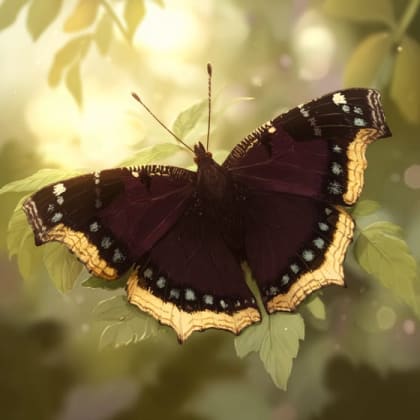
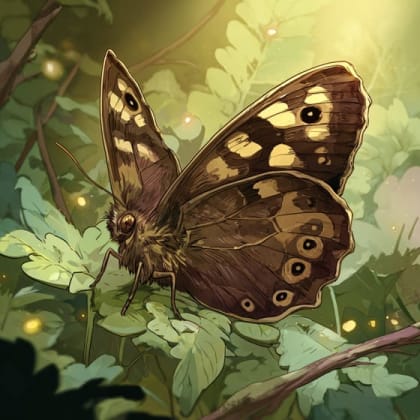
Bush Cricket
Umbulgaria hillimunga Otte &
Bush Crickets are green insects that can be hard to spot in the bushes. They make a soft, gentle sound when they chirp!
Habitat: Bushes and shrubs
The Bush Cricket has a slender body, often green or brown, blending perfectly into foliage. Its most striking features are its extremely long, thread-like antennae, which can be much longer than its body, and large, powerful hind legs for jumping. Some species have leaf-like wings.
Category
InsectsRarity
Common
Danger
2/5 · Low
Snaps
Be the first to snap!
Bush Crickets have ears on their front legs, right below the "knees"!
Female bush crickets use a sword-like tube, called an ovipositor, to lay eggs safely.
Many species have antennae so long, they can be twice the length of their entire body!
Some bush crickets sing by rubbing their wings together, creating a unique evening serenade!
Bush Crickets have green or brown bodies and wings that help them blend seamlessly into leaves and branches to hide from predators.
Bush Crickets can make powerful leaps using their strong hind legs, helping them escape danger or move quickly.
Male Bush Crickets can produce chirping songs by rubbing their wings together, which helps them attract mates.
Bush Crickets have specialized 'ears' located on their front legs, allowing them to hear sounds in their environment.
Bush Crickets are omnivores, munching on plants and sometimes other small insects.
Turdus merula
Blackbirds frequently prey on these insects.
Araneus diadematus
Spiders capture crickets in their webs.
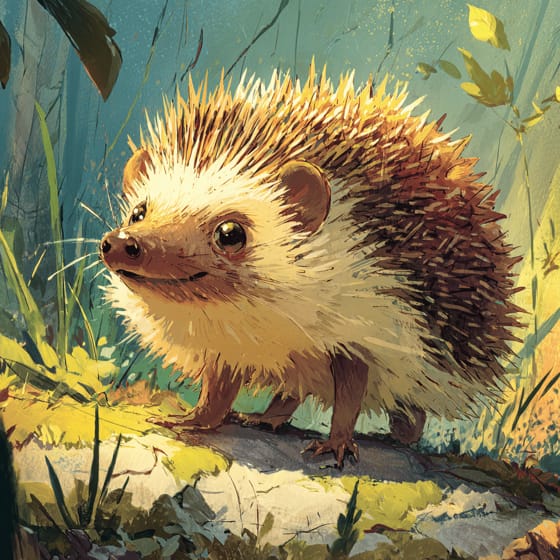
Erinaceus europaeus
Hedgehogs eat many ground-dwelling insects.
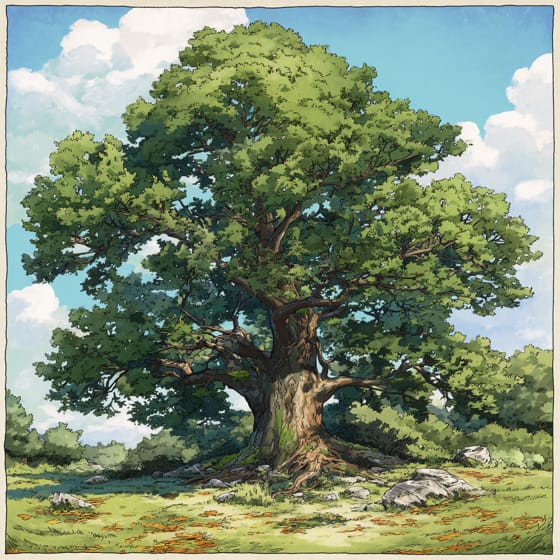
Quercus robur
Crickets feed on its leaves and find shelter.
Wildlife encompasses all undomesticated animal and plant life existing in their natural habitats.
Singing animals produce complex vocalizations, often for purposes of attracting mates, defending territory, or communicating within their species.
Arboreal animals live primarily in trees, utilizing them for shelter, food, and protection from predators.
Camouflaged describes organisms that possess coloring or patterns that allow them to blend into their environment.

This trait characterizes organisms whose diet consists entirely or primarily of plant material.

Forest habitats are terrestrial environments dominated by dense tree cover, supporting a high diversity of plant and animal life.

Nocturnal animals are primarily active during the nighttime hours, typically resting or sleeping during the day.
Danger
2/5 · Low
Do not touch or pick up. Some insects sting or bite. Ask an adult for help.
30-70 mm
15-35 mm
60-120 days
Bush Crickets are omnivores, munching on plants and sometimes other small insects.
Bushes and shrubs
Foraging
6
Zoom in to split clusters and explore where this object has been snapped.
Recent snaps will appear here as new observations are added.