Tufted Hairgrass
Deschampsia cespitosa (L.) P.Beauv.
Tufted Hairgrass is a tall grass that can grow in clumps. It loves to grow in wet areas and is great for helping the soil stay healthy.
Habitat: Wetlands
The Tufted Hairgrass forms dense clumps with narrow, dark green leaves. Tall, slender stalks rise above, topped by an airy, delicate flower cluster (panicle) that shimmers with purplish-green to golden-brown hues, making it visually distinct.
Category
PlantsRarity
Common
Danger
1/5 · Very low
Snaps
Be the first to snap!
Its airy flower heads shimmer in the breeze, sometimes called 'wavy hairgrass'!
Its dense clumps provide safe shelter for many tiny ground-dwelling creatures!
Its scientific name 'cespitosa' means 'tufted', perfectly describing how it grows in dense bunches!
This tough grass can live for decades, even over a century, in one spot!
Tufted Hairgrass forms dense, tough clumps that help it resist trampling and stabilize soil, creating safe microhabitats for tiny creatures.
Tufted Hairgrass can tolerate waterlogged soils and even occasional flooding, allowing it to thrive where many other plants cannot.
Some populations of Tufted Hairgrass have evolved to grow in soils contaminated with heavy metals, like a natural detoxifier.
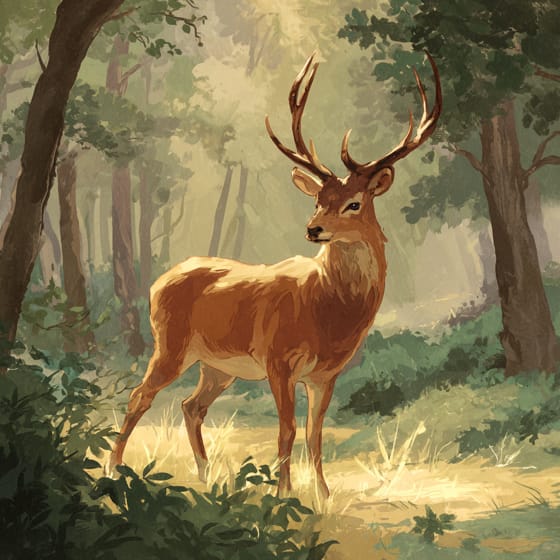
Cervus elaphus
A common forage plant for grazing animals.
Microtus agrestis
Provides safe refuge within its dense tussocks.
Puccinia deschampsiae
A specific fungus that grows on this grass.
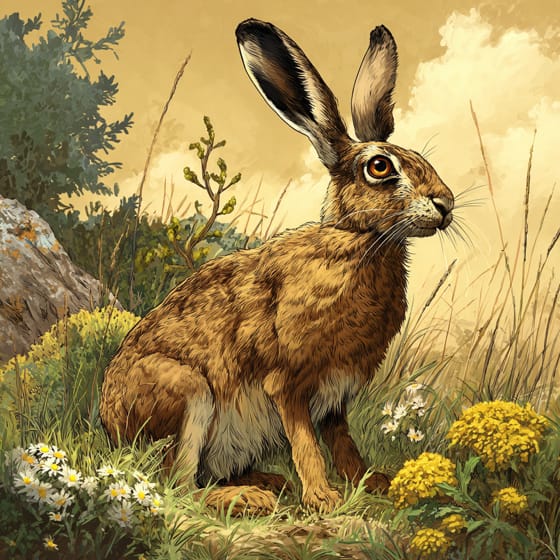
Lepus europaeus
Grazes on its leaves, especially young shoots.
Grass-like plants are herbaceous plants that visually resemble true grasses, typically having long, narrow leaves.
Shade tolerant plants are adapted to grow and thrive in areas with low light levels, requiring less direct sunlight.
Rapid growing plants exhibit accelerated growth rates, quickly increasing in size and biomass within a short period.
This habitat trait identifies species found in wetlands, which are areas of land saturated with water, either permanently or seasonally, including marshes, swamps, and bogs.
Danger
1/5 · Very low
Explore with care and ask an adult if you’re unsure what to do.
30-150 cm
30-60 cm
0.3-0.6 cm
Late spring to summer
No
None
Perennial
Wind
Zoom in to split clusters and explore where this object has been snapped.
Recent snaps will appear here as new observations are added.