





Cardinal Flower
Lobelia cardinalis
Cardinal Flower has bright red flowers that look like little trumpets! They are very attractive to hummingbirds.
Habitat: Wetlands and along streams
The Cardinal Flower has brilliant, fiery red, tubular flowers arranged on tall, erect spikes. Its vivid color makes it instantly recognizable, standing out sharply against the green foliage of its wetland habitats. Each bloom has two lips, one with two lobes and one with three, designed perfectly for its primary pollinators.
Category
PlantsRarity
Rare
Danger
1/5 · Very low
Snaps
59
Hummingbirds can see red colors that are invisible to most insects, making this flower a perfect beacon for them.
Indigenous peoples historically used Cardinal Flower in traditional medicine, but only by skilled practitioners.
Its stunning red color is so intense, it was named after the robes of Catholic Cardinals!
Unlike many plants, it prefers 'wet feet,' growing happily with its roots submerged in water.
Cardinal Flower has bright red, tube-shaped flowers and nectar, perfectly shaped to attract and feed hummingbirds for pollination.
Cardinal Flower can thrive in very wet soils, even in shallow standing water, allowing it to grow where other plants struggle.
Cardinal Flower produces special compounds that make it taste bad or be toxic, protecting it from many hungry animals.

Archilochus colubris
Its long beak reaches deep into the flower for nectar.
Grammia parthenice
Its larvae can feed on the leaves despite the plant's toxicity.
Spilosoma virginica
Its woolly bear caterpillars may also browse the foliage.
Deciduous plants periodically shed all their leaves, typically during autumn or dry seasons.
Shade tolerant plants are adapted to grow and thrive in areas with low light levels, requiring less direct sunlight.
Summer blooming plants produce their flowers during the summer season, often providing vibrant color when many other plants have finished.
A tube flower has petals fused together at the base, forming a distinct tubular structure that typically holds nectar deep within.

This habitat trait identifies species found in wetlands, which are areas of land saturated with water, either permanently or seasonally, including marshes, swamps, and bogs.
Danger
1/5 · Very low
Explore with care and ask an adult if you’re unsure what to do.
The easiest way to identify Cardinal Flower is to use the Snappit nature identifier app.
60-180 cm
30-60 cm
2-4 cm
Late summer to early fall
No
Moderate
Perennial
Zoom in to split clusters and explore where this object has been snapped.

New Jersey, US
You might spot Garlic Mustard, Sensitive Fern, and Common Mugwort.
View guide →
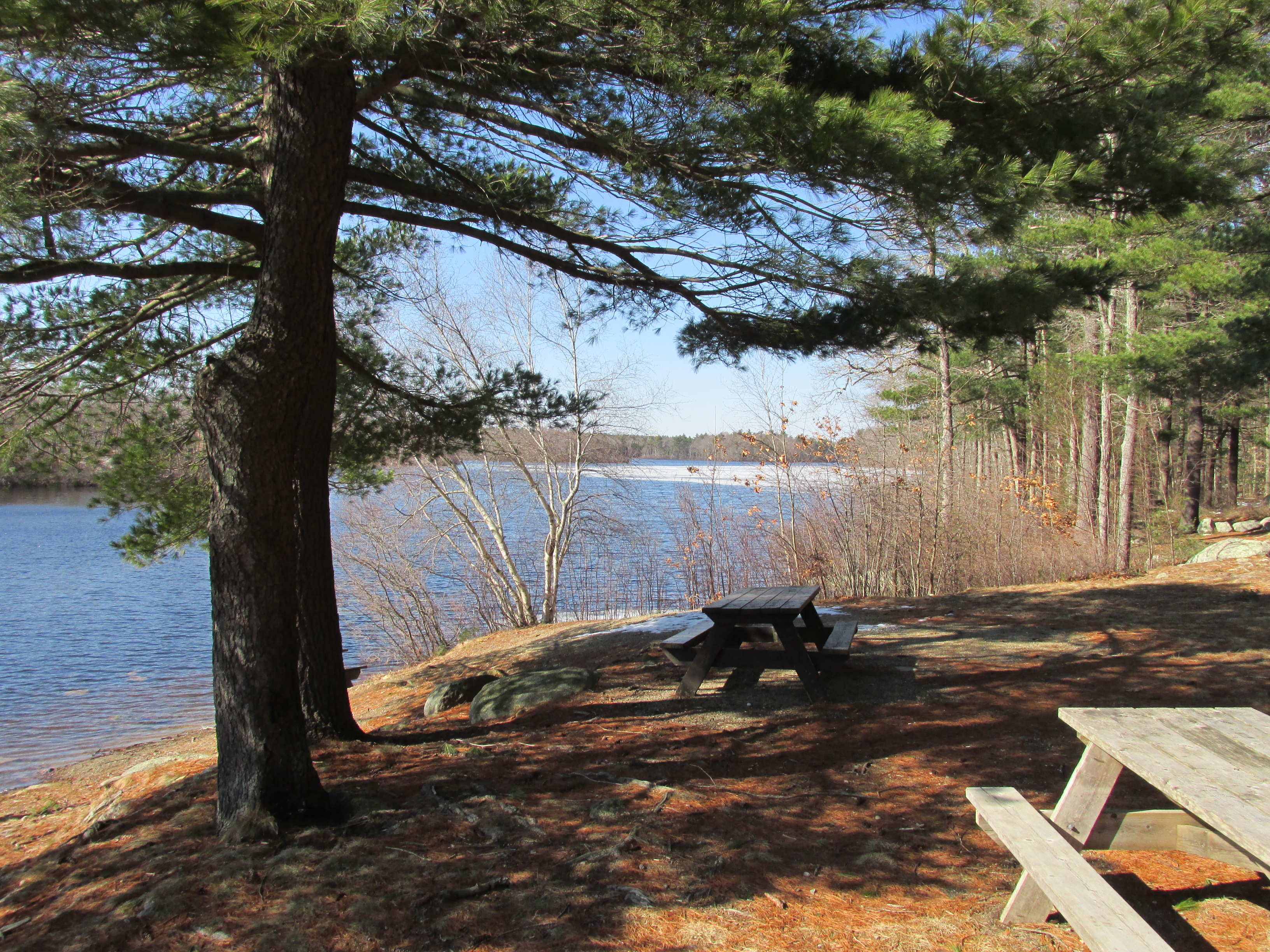
Massachusetts, US
You might spot Eastern White Pine and Common Eastern Bumble Bee.
View guide →
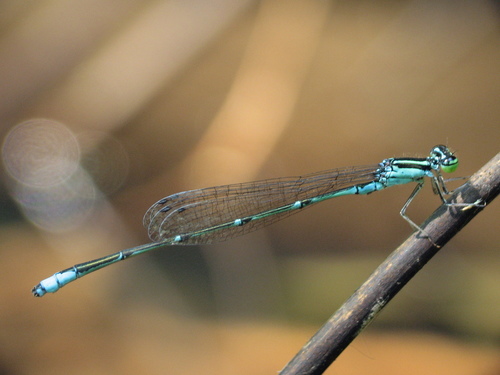
New York, US
You might spot Stream Bluet, Variable Dancer, and Eastern Pondhawk.
View guide →

Alabama, US
You might spot Cave Salamander and Pink Lady's Slipper.
View guide →
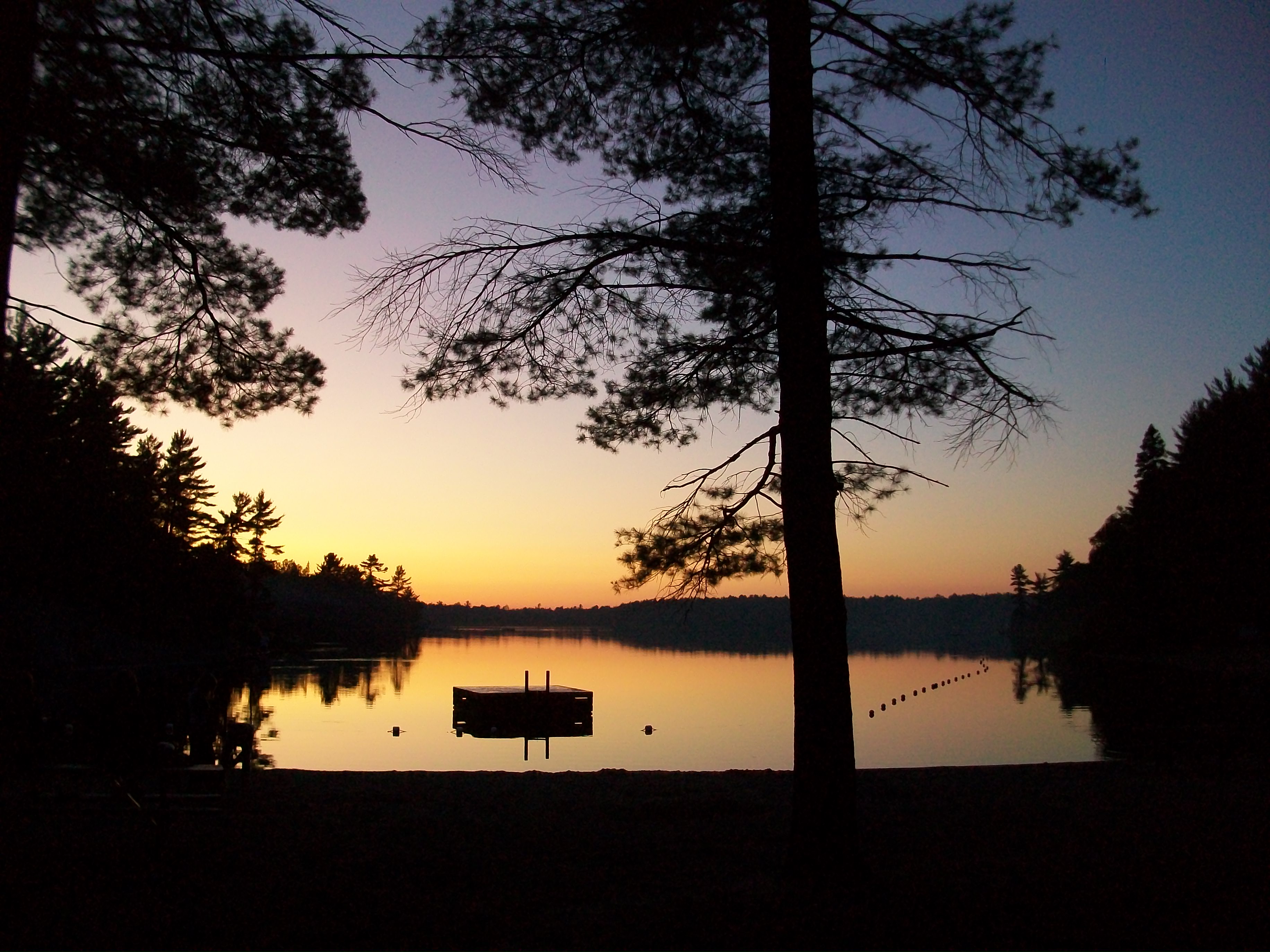
Ontario, CA
You might spot Painted Turtle, Common Watersnake, and Pickerelweed.
View guide →

Louisiana, US
You might spot Mississippi River Wakerobin and Lyreleaf Sage.
View guide →
Take the discovery with you
Snap it with Snappit to identify it, learn what makes it special, and add the discovery to your collection.










.jpg&width=800)



_001.jpg&width=800)



