Uromastyx
Uromastyx
Uromastyx lizards are known for their beautiful colors and spiky tails! They love to bask in the sun and eat plants.
Habitat: Deserts and rocky areas
The Uromastyx has a stout body, a broad, flattened head, and a distinctive spiny tail used for defense. Their skin typically features earthy tones like sand, grey, or brown, often with patches of yellow, orange, or green, especially in males.
Category
ReptilesRarity
Rare
Danger
2/5 · Low
Snaps
Be the first to snap!
Some Uromastyx can change their skin color to help them warm up or cool down!
Their spiky tail is so strong, it can seriously injure attacking predators!
They have special blunt teeth for grinding tough desert plants and seeds!
Uromastyx are expert excavators, digging burrows over 10 feet deep!
Uromastyx has a heavy, spiky tail that helps them defend against predators by thrashing it like a club or wedging it into rock crevices.
Uromastyx can extract almost all the water they need from their plant-based diet, helping them survive in extremely dry environments.
Uromastyx has special glands near its nose that help them expel excess salt from their body, allowing them to eat salty desert plants.
These desert dwellers love to munch on leaves, flowers, and seeds, getting most of their water from plants!
Age differences: Young Uromastyx eat more insects for protein, shifting to an almost entirely plant-based diet as adults.
Aquila rapax
A powerful raptor that preys on various desert reptiles.
Vulpes ruppelli
A desert fox that preys on lizards and small animals.
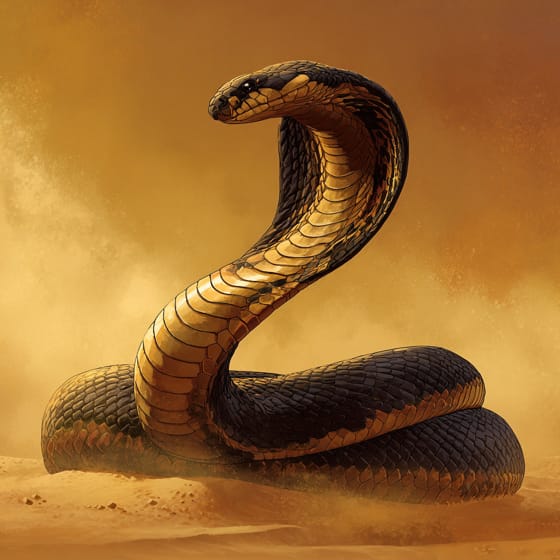
Naja haje
A venomous snake that ambushes desert lizards.
Wildlife encompasses all undomesticated animal and plant life existing in their natural habitats.
Colorful describes organisms or objects displaying a wide range of bright and distinct colors.
This trait characterizes organisms whose diet consists entirely or primarily of plant material.
Desert habitats are arid regions characterized by extremely low precipitation and often extreme temperatures, supporting specialized flora and fauna.

This trait characterizes organisms with an exceptionally long lifespan compared to others of their kind.

Diurnal animals are primarily active during daylight hours, typically resting or sleeping at night.
Danger
2/5 · Low
Look but don’t touch. Keep a safe distance and wash hands after exploring.
25-70 cm
0.2-2 kg
15-30 years
25 km/h
These desert dwellers love to munch on leaves, flowers, and seeds, getting most of their water from plants!
Deserts and rocky areas
Foraging
5-20
Zoom in to split clusters and explore where this object has been snapped.
Recent snaps will appear here as new observations are added.