Collared Lizard
Crotaphytus nebrius Axtell &
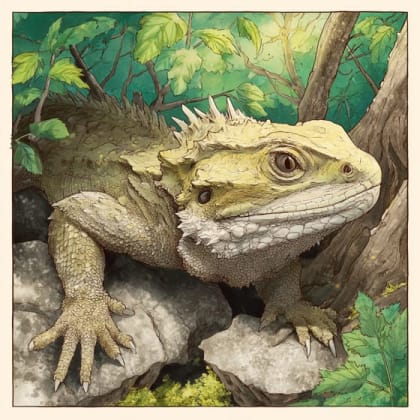
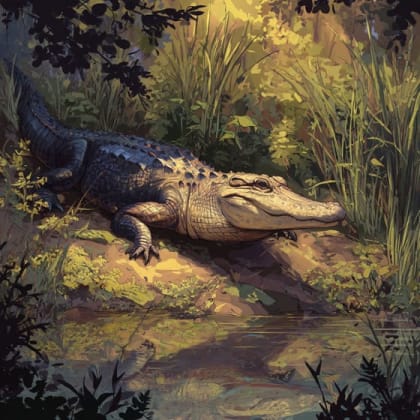
The Collared Lizard is a colorful lizard that loves to bask on rocks! It has beautiful blue and green colors.
Habitat: Rocky areas and deserts
The Collared Lizard has a stocky body with a large head and a long tail. It is typically brightly colored in shades of green, blue, or yellow, often adorned with distinctive black bands forming a 'collar' around its neck.
Category
ReptilesRarity
Common
Danger
2/5 · Low
Snaps
Be the first to snap!
Collared Lizards are expert climbers, using strong claws to scale rocks and boulders.
Collared Lizards bask on sunny rocks to warm up, ready to hunt.
Males do push-ups to show off strength and scare rivals away.
These lizards are super territorial, chasing away other lizards from their home.
Collared Lizards can run on two legs because powerful hind limbs and a long tail provide balance, helping them make swift escapes.
Collared Lizards can drop their tail because it wiggles when detached, distracting predators while the lizard quickly escapes danger.
Collared Lizards have strong jaws and sharp teeth that help them crush hard-shelled insects and capture other small lizards.
They are quick hunters, munching on insects and smaller creatures.
Schistocerca nitens
A common prey item in their arid habitat.
Gryllus assimilis
An abundant insect source for these lizards.
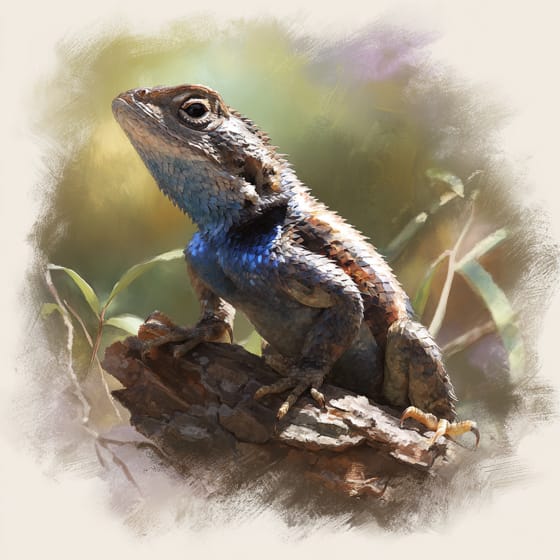
Sceloporus undulatus
Collared Lizards sometimes prey on smaller lizards.
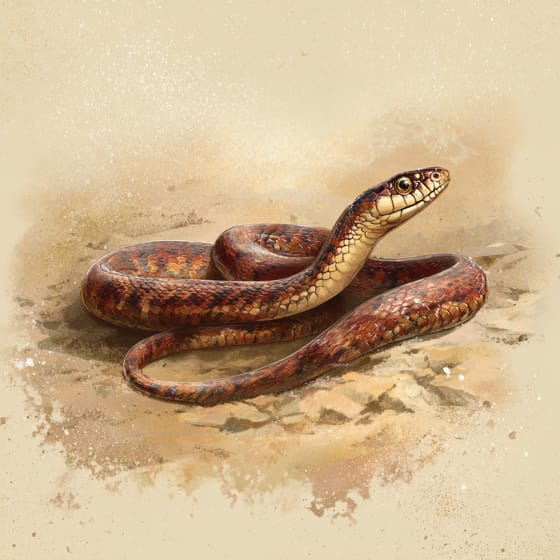
Masticophis flagellum
These swift snakes are a predator of Collared Lizards.
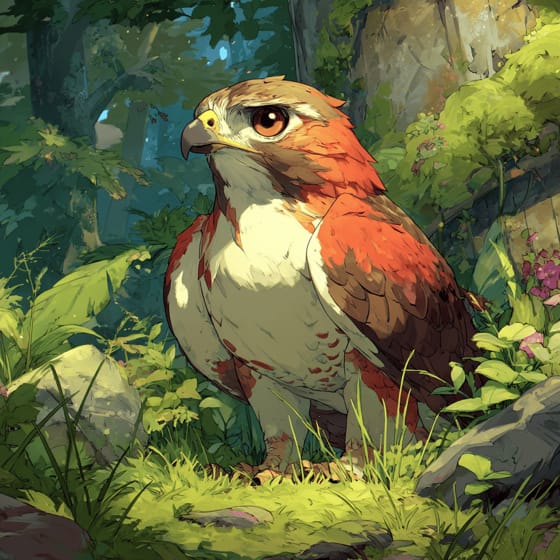
Buteo jamaicensis
A common bird of prey that hunts ground-dwelling reptiles.
Wildlife encompasses all undomesticated animal and plant life existing in their natural habitats.
Camouflaged describes organisms that possess coloring or patterns that allow them to blend into their environment.
Colorful describes organisms or objects displaying a wide range of bright and distinct colors.
This trait identifies organisms whose diet primarily consists of insects and other small invertebrates.

Diurnal animals are primarily active during daylight hours, typically resting or sleeping at night.

This trait identifies organisms that exhibit exceptional swiftness in movement for hunting, escape, or travel.
Danger
2/5 · Low
Look but don’t touch. Keep a safe distance and wash hands after exploring.
20-35 cm
0.06-0.1 kg
6-10 years
25 km/h
They are quick hunters, munching on insects and smaller creatures.
Rocky areas and deserts
Pursuit
2-13
Zoom in to split clusters and explore where this object has been snapped.
Recent snaps will appear here as new observations are added.