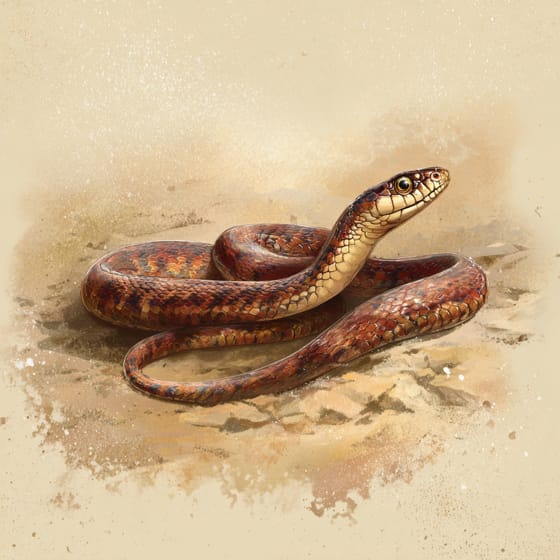





Coachwhip
Masticophis flagellum
The Coachwhip is a fast and slender snake that loves to run! They are great at catching their food and are very active.
Habitat: Open fields and scrublands
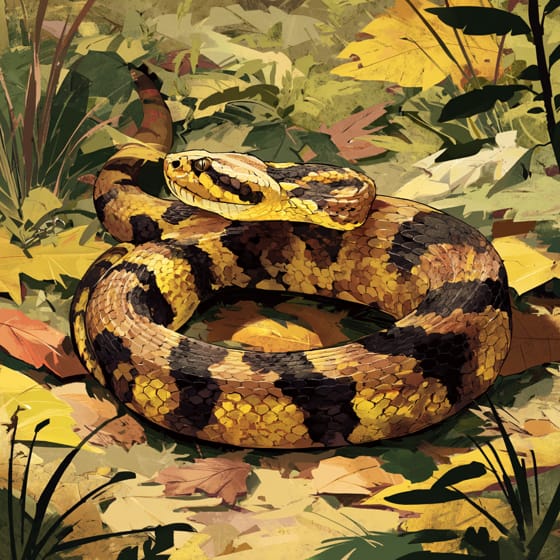
The Coachwhip is a slender, fast-moving snake with a distinct small head and large eyes. Its coloring is highly variable, ranging from light tan, yellow, or pinkish to dark brown or black, often appearing darker near the head and fading towards the tail. The long, whip-like tail has smooth scales that resemble a braided whip.
Category
ReptilesRarity
Common
Danger
2/5 · Low
Snaps
10
Coachwhips are named for their tail, which strikingly resembles a braided leather whip!
Despite their impressive hunting skills, Coachwhips are completely non-venomous.
These clever snakes can climb bushes and small trees to raid bird nests for eggs.
They often bask on roads and rocks, absorbing heat to power their speedy movements.
Coachwhip can chase down quick prey because its streamlined body and powerful muscles allow for incredibly fast movement across varied terrain.
Coachwhip has large, keen eyes that help them spot movement from a distance, often holding their head high like a periscope.
Coachwhip can deter predators with a unique defensive display, vibrating its tail rapidly and striking, mimicking a venomous snake.
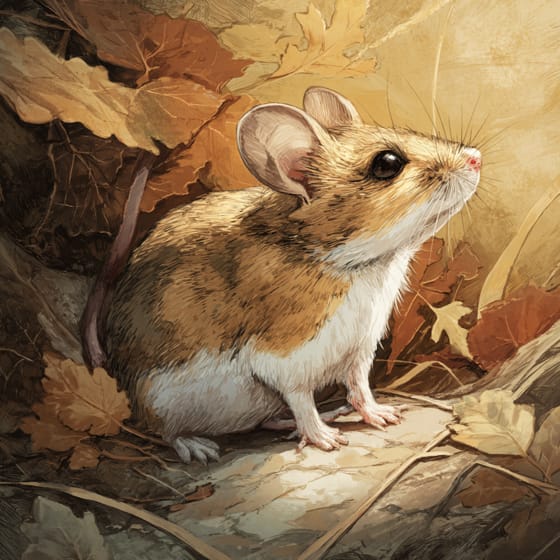
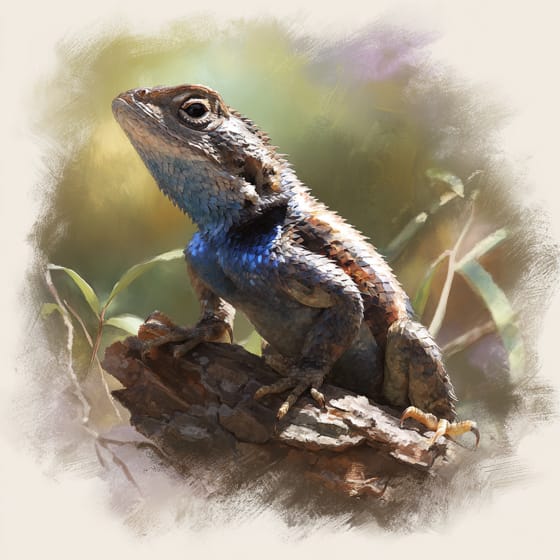
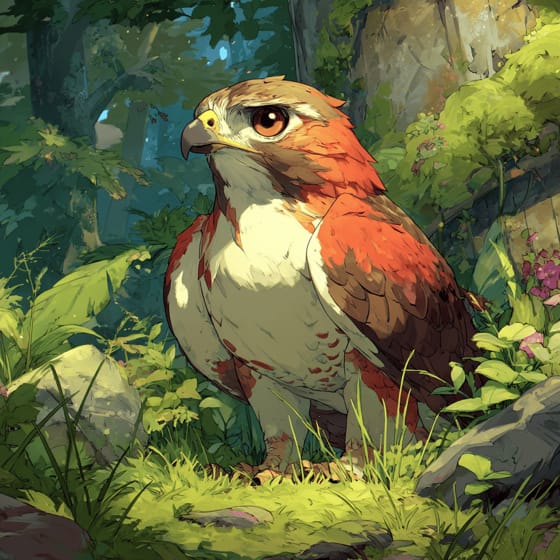
Coachwhips are swift hunters that primarily eat small animals, including rodents, lizards, birds, and other snakes.
Wildlife encompasses all undomesticated animal and plant life existing in their natural habitats.
Grassland habitats are terrestrial biomes dominated by grasses and herbaceous plants, supporting a variety of grazing animals.
This trait characterizes organisms with an exceptionally long lifespan compared to others of their kind.
This trait identifies organisms whose diet consists entirely or primarily of animal tissue.

Diurnal animals are primarily active during daylight hours, typically resting or sleeping at night.

This trait identifies organisms that exhibit exceptional swiftness in movement for hunting, escape, or travel.
Danger
2/5 · Low
Look but don’t touch. Keep a safe distance and wash hands after exploring.
The easiest way to identify Coachwhip is to use the Snappit nature identifier app.
90-185 cm
0.2-0.5 kg
10-20 years
13 km/h
Coachwhips are swift hunters that primarily eat small animals, including rodents, lizards, birds, and other snakes.
Open fields and scrublands
Pursuit
Zoom in to split clusters and explore where this object has been snapped.

New Mexico, US
You might spot Pronghorn, Great-Tailed Grackle, and Redstem Stork's-Bill.
View guide →

New Mexico, US
You might spot White-Winged Dove and Silverleaf Nightshade.
View guide →

California, US
You might spot Frémont's Phacelia and Devil's Spineflower.
View guide →

Texas, US
You might spot Question Mark, Buttonbush, and Pomegranate.
View guide →

Nebraska, US
You might spot Purple Martin, Prairie Rattlesnake, and Lesser Scaup.
View guide →

Arizona, US
You might spot Rainbow Hedgehog Cactus and Red-Tailed Hawk.
View guide →
Take the discovery with you
Snap it with Snappit to identify it, learn what makes it special, and add the discovery to your collection.