




Mountain Laurel
Mycosphaerella colorata (Peck) Earle
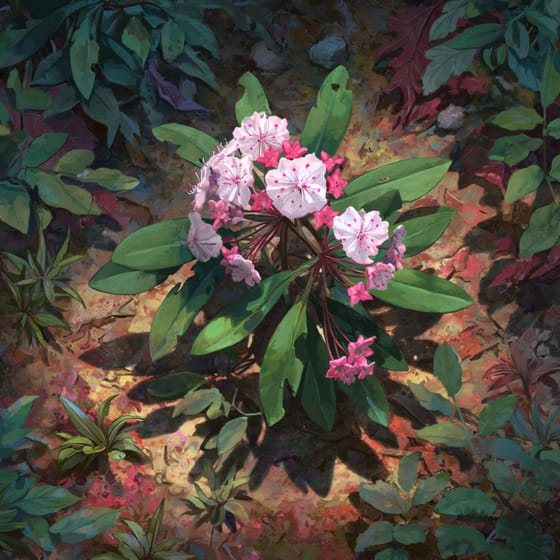
Mountain Laurel is a lovely shrub with beautiful pink flowers. It blooms in spring and attracts butterflies and bees!
Habitat: Woodlands and mountains
The Mountain Laurel is an evergreen shrub with glossy, dark green leaves. It boasts clusters of distinctive cup-shaped flowers, typically white, pink, or deep rose, often adorned with purple markings inside. Its elegant blooms and leathery foliage make it stand out in woodlands.
Category
PlantsRarity
Rare
Danger
1/5 · Very low
Snaps
Be the first to snap!
Early American settlers used its extremely hard wood to make small tools.
Its scientific name, Kalmia latifolia, honors the botanist Pehr Kalm.
Mountain Laurel is the state flower of Pennsylvania, not just Connecticut!
The unique shape of its flowers has earned it nicknames like 'calico-bush'.
Mountain Laurel has special stamens that are spring-loaded, flinging pollen onto visiting insects to ensure pollination.
Mountain Laurel produces toxic compounds in all its parts, helping it defend against most hungry animals.
Mountain Laurel can thrive in very acidic, rocky soils where many other plants struggle to grow.
Bombus impatiens
These bees visit flowers for nectar and pollen.
Apis mellifera
Honeybees help spread pollen between blooms.
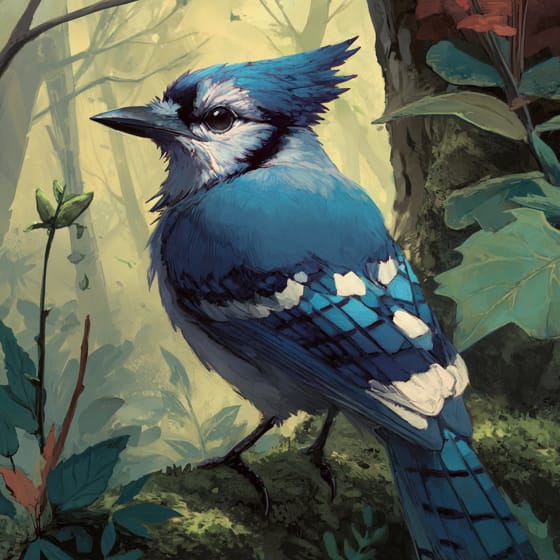
Cyanocitta cristata
Birds may use dense foliage for nesting and cover.
A shrub is a woody plant smaller than a tree, typically with multiple stems branching from or near the ground.
Spring blooming plants produce their flowers during the spring season, often signifying the end of winter and the start of new growth.
Evergreen plants retain their foliage throughout the year, never shedding all their leaves at once.
Fragrant flowers emit a pleasant aroma, often to attract pollinators or for defense.

Describes plants that are particularly attractive and beneficial to a wide range of pollinating organisms.

This habitat trait identifies species found in mountainous regions, characterized by high elevation, steep slopes, and varying climate zones.

Forest habitats are terrestrial environments dominated by dense tree cover, supporting a high diversity of plant and animal life.
Danger
1/5 · Very low
Explore with care and ask an adult if you’re unsure what to do.
150-400 cm
150-300 cm
1.5-2.5 cm
Late spring to early summer
No
High
Perennial
Insect
Zoom in to split clusters and explore where this object has been snapped.
Recent snaps will appear here as new observations are added.
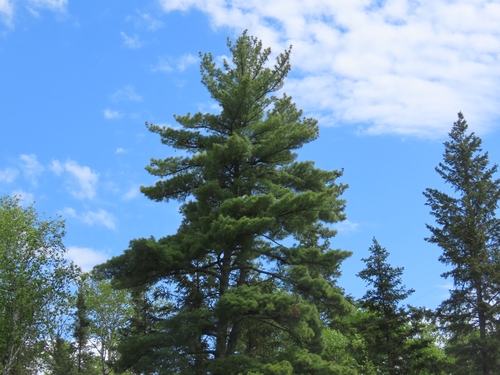
Connecticut, US
You might spot Eastern White Pine, Eastern Hemlock, and Mountain Laurel.
View guide →

Maryland, US
You might spot Common Pawpaw, Zebra Swallowtail, and Bald Eagle.
View guide →

North Carolina, US
You might spot Common Watersnake, Fowler's Toad, and Fire Pink.
View guide →
_Filene_Center_outside.jpg)
Virginia, US
You might spot False Milkweed Bug and Mountain Laurel.
View guide →

Pennsylvania, US
You might spot Hemlock Varnish Shelf, Mountain Laurel, and Cinnamon Fern.
View guide →

Maryland, US
You might spot Large Whorled Pogonia and Pink Lady's Slipper.
View guide →