Zebra Swallowtail

Elk Neck State Park, a jewel nestled in Cecil County, Maryland, invites visitors to explore a diverse landscape where the Chesapeake Bay meets the Elk River.
Elk Neck State Park, a jewel nestled in Cecil County, Maryland, invites visitors to explore a diverse landscape where the Chesapeake Bay meets the Elk River. This natural haven spans 2,370 acres, offering a remarkable blend of marshlands, pristine sandy beaches, dense woodlands, and dramatic white clay cliffs. It's a destination where the beauty of nature unfolds at every turn, providing a serene escape and a wealth of outdoor adventures for all ages.
The park is divided into four distinct areas, each promising unique experiences. The iconic Turkey Point Lighthouse, perched atop a 100-foot bluff, offers breathtaking panoramic views of the Upper Chesapeake Bay and the Northeast and Elk Rivers. Enthusiasts can traverse a network of trails, including the popular Turkey Point Lighthouse Trail, the scenic White Banks Trail with its unique clay cliffs, and the wildlife-rich Beaver Marsh Loop, where American Beavers may be spotted. Birdwatchers will delight in the Raptor Viewing Field, where species like Bald Eagles, Ospreys, and Turkey Vultures soar, while hikers might encounter White-tailed Deer or discover native plants such as common pawpaw and mountain laurel.
Whether you're seeking a tranquil retreat or an active outdoor experience, Elk Neck State Park delivers. Its varied habitats support a rich diversity of flora and fauna, making every visit a chance for discovery and connection with nature. From leisurely strolls along the shoreline to challenging hikes, swimming in the calm waters of North East Beach, or paddling along the Elk River, the park offers countless opportunities to create lasting memories. It’s a truly memorable destination that seamlessly blends natural beauty with recreational opportunities. Unlock an interactive field guide for this spot: get the Snappit app to identify nature on the go.
Elk Neck State Park has a notable history rooted in conservation and community development. The park's origins trace back to 1936, when naturalist Dr. William Abbott bequeathed his land along the Elk River to the state for public use. This generous gift laid the foundation for what would become a significant natural preserve. Following this, the state acquired additional acreage, and from 1937 to 1941, the Civilian Conservation Corps (CCC) played a crucial role in developing many of the park's initial improvements and infrastructure. A prominent historical feature within the park is the Turkey Point Lighthouse, which dates back to 1833. This historic structure stands as a testament to the region's maritime heritage, guiding vessels where the Elk River and Chesapeake Bay converge. Historically, the Elk Neck Peninsula itself was a vital shortcut for Native American tribes like the Nanticoke and Lenni Lenape, and later colonial travelers, providing a portage route between the Chesapeake and Delaware Bay watersheds. The park is also recognized as a National Park Service National Underground Railroad Network to Freedom site, further highlighting its historical significance.
Hiking and Biking: Explore over 12 miles of trails, ranging from easy to moderate difficulty.
Swimming: Enjoy the unguarded swimming area at North East Beach.
Boating and Paddling: Utilize boat launches for access to the Elk River and Chesapeake Bay, or launch canoes/kayaks from North East Beach.
Fishing and Crabbing: Fish from piers or launch your boat to reel in catfish, perch, and bass. Crabbing is also popular seasonally.
Birdwatching: Spot a wide array of species, especially during migration seasons, including Bald Eagles, Ospreys, and various waterfowl.
Camping: Choose from over 250 campsites, including RV-friendly sites with hookups, rustic cabins, and youth group sites.
Picnicking: Enjoy designated picnic areas with tables and grills, especially at the North East Beach area.
Spring: Mild weather (35-75°F), ideal for hiking and observing the return of Osprey.
Summer: Warm and sunny (65-85°F), perfect for beach activities; lighthouse tours may be more readily available with more volunteers.
Fall: Milder temperatures (40-65°F), excellent for fall foliage photography, and witnessing migrations of common loons, tundra swans, and various raptors.
Winter: Cold and wet (25-45°F), less crowded, offering unique opportunities to spot Bald Eagles and migrating waterfowl.
The park offers ADA accessible facilities. Many trails, such as the Turkey Point Lighthouse Trail, are wide and gravel, suitable for various fitness levels and accessible paths. The North East Beach features a gradual entry into the water, making it family-friendly. Some campsites are wheelchair accessible, and there are bathhouses with showers.
An iconic historical landmark with panoramic bay views.
A popular sandy swimming area perfect for families.
Features dramatic white clay cliffs overlooking the Chesapeake Bay.
An excellent spot for wildlife viewing, particularly for American Beavers.
Each card links to a full Explore page with photos, traits, and fun facts.















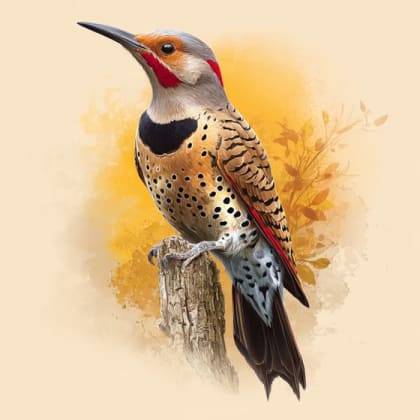













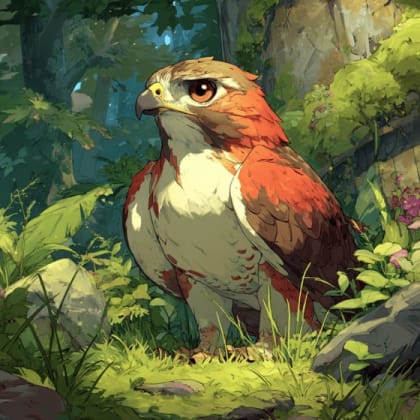











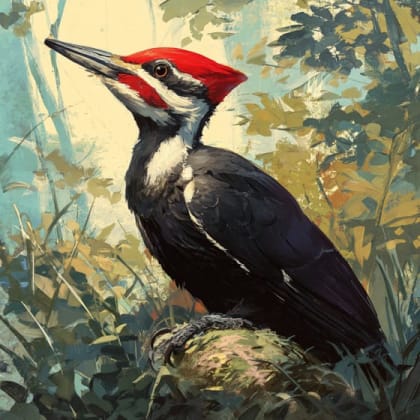








Start with the big picture, then zoom in to explore individual wildlife observations around this place.
Arrive Early on Weekends
Especially for the Turkey Point Lighthouse area, parking can fill up quickly. Arriving early ensures a spot and a more peaceful experience.
Bring Binoculars for Birdwatching
The park is part of the Atlantic Flyway, making it a prime location for birdwatching. Binoculars will enhance your chances of spotting diverse species, particularly at the Raptor Viewing Field.
Pack Snacks and Drinks
While there are some seasonal concessions, options within the park are limited, so it's advisable to bring your own refreshments, especially for longer visits or hikes.
Check Trail Conditions
Before embarking on trails like the Beaver Marsh Loop, check current conditions as waterfront portions can be submerged at high tide.
Wear Appropriate Footwear
Sturdy shoes are recommended for hiking, and water shoes can be useful for enjoying the sandy beaches and shallow waters.
Be Aware of Hunting Seasons
Public hunting occurs in parts of the park, so be mindful of hunting seasons and plan your visit accordingly.
Jun 19, 2026
Jun 14, 2026
Jun 14, 2026
Jun 13, 2026
Jun 11, 2026

Maryland, US
You might spot White-Tailed Deer and Eastern Gray Squirrel.
View guide →
.jpg)
District of Columbia, US
You might spot Eastern Gray Squirrel, Duck, and House Sparrow.
View guide →

Illinois, US
You might spot American Robin, Canada Goose, and House Sparrow.
View guide →

Virginia, US
You might spot Spotted Lanternfly and Northern Cardinal.
View guide →
Take the discovery with you
Identify the wildlife you spot, learn as you go, and keep a collection of the adventure.