Emperor Dragonfly
Anax imperator
The Emperor Dragonfly is one of the largest dragonflies and has bright blue and green colors. They are powerful fliers and can be seen near water!
Habitat: Lakes and rivers
The Emperor Dragonfly is a large and striking insect. Males have a bright blue abdomen with a black stripe and a vivid green thorax, while females sport a greenish-yellow abdomen. Its large, green eyes dominate its head, making it visually distinct.
Category
InsectsRarity
Common
Danger
2/5 · Low
Snaps
Be the first to snap!
Adult Emperor Dragonflies can eat up to 30 mosquitoes in just one meal!
Baby Emperor Dragonflies, called nymphs, live underwater for several years!
Its huge eyes have over 28,000 tiny lenses, seeing almost everything around it!
They can fly straight up or hover in place, just like a miniature helicopter!
Emperor Dragonflies have huge compound eyes that provide an almost complete panoramic view to easily spot both prey and predators.
This dragonfly can catch insects mid-flight by forming a "basket" with its spiky legs, never missing a meal.
Emperor Dragonflies possess incredible agility, allowing them to hover, fly backwards, and make sharp turns to chase prey.
Their babies, called nymphs, are fierce underwater predators that hunt other aquatic creatures with an extendable jaw.
A super speedy hunter, it zips through the air catching other insects to eat!
Age differences: Nymphs hunt aquatic insects, tadpoles, and small fish; adults hunt flying insects.
Aedes aegypti
Adults hunt mosquitoes in the air.
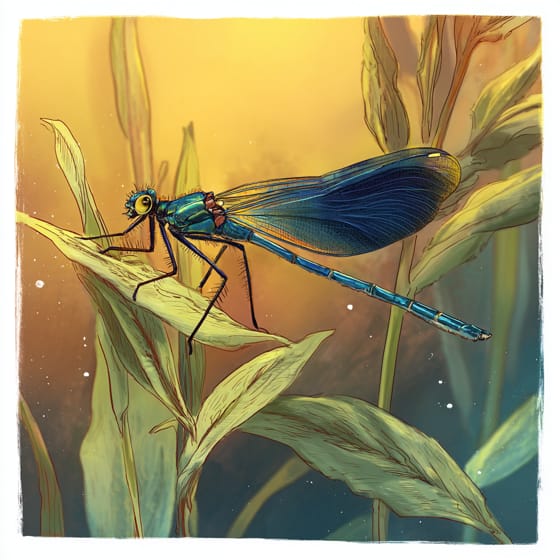
Coenagrion puella
Adults will prey on smaller damselflies.
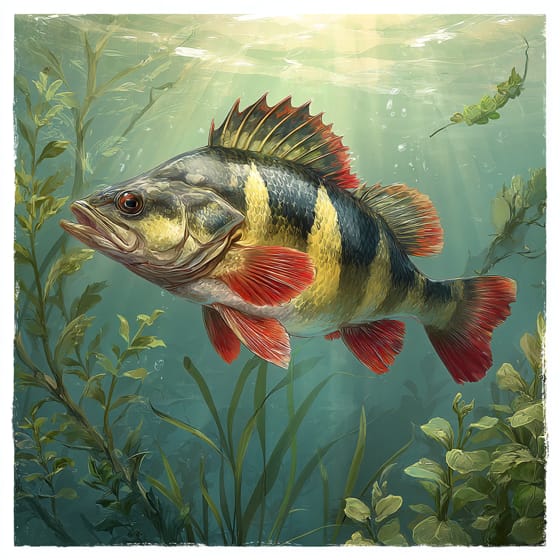
Perca fluviatilis
Nymphs are sometimes eaten by fish.
Falco tinnunculus
Adult dragonflies can be prey for birds.
Wildlife encompasses all undomesticated animal and plant life existing in their natural habitats.
Aerial creatures spend a significant portion of their lives airborne, utilizing flight for various activities such as hunting, migration, or nesting.
This trait identifies organisms whose diet primarily consists of insects and other small invertebrates.
An ambush predator hunts by patiently waiting and concealing itself, then launching a sudden attack when unsuspecting prey comes within range.

Diurnal animals are primarily active during daylight hours, typically resting or sleeping at night.

Freshwater habitats include non-saline aquatic environments such as rivers, lakes, ponds, and wetlands, vital for numerous species.

This trait identifies organisms that exhibit exceptional swiftness in movement for hunting, escape, or travel.
Danger
2/5 · Low
Do not touch or pick up. Some insects sting or bite. Ask an adult for help.
95-110 mm
70-84 mm
30-60 days
50 km/h
A super speedy hunter, it zips through the air catching other insects to eat!
Lakes and rivers
Pursuit
6
Zoom in to split clusters and explore where this object has been snapped.
Recent snaps will appear here as new observations are added.