





Polyphemus Moth
Antheraea polyphemus
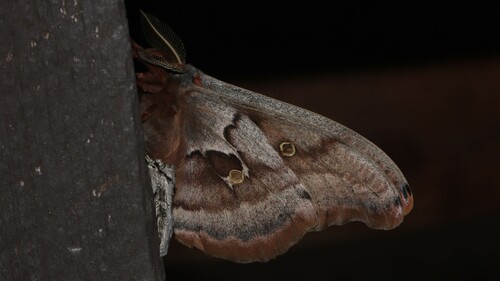
The Polyphemus Moth is a lovely moth with large, round eyespots on its wings. It looks like a little owl flying at night!
Habitat: Forests and gardens
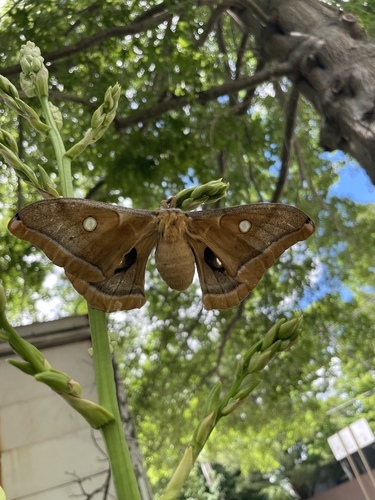
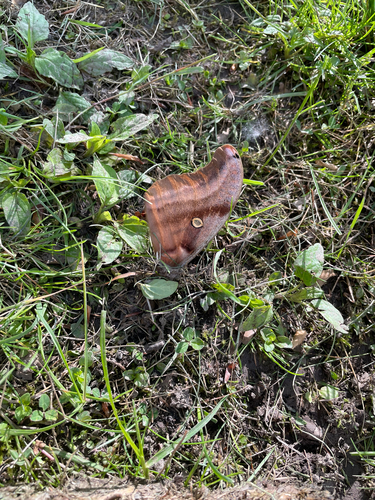
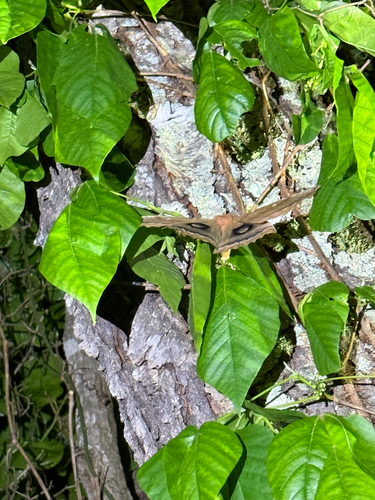
The Polyphemus Moth is a large, strikingly beautiful moth, primarily shades of reddish-brown, yellow, and gray. Its most distinctive features are the two prominent, iridescent blue and yellow 'eyespots' on its hindwings, which resemble owl eyes, and its feathery antennae.
Category
InsectsRarity
Common
Danger
2/5 · Low
Snaps
127
Adult Polyphemus moths cannot eat at all during their short lives!
The moth's name comes from a mythical giant cyclops with one eye!
Their huge caterpillars can grow to be as big as a hot dog!
They use special chemicals to find mates from miles away.
Polyphemus Moth can flash large, owl-like eyespots on its hindwings to startle predators, giving it time to escape.
Polyphemus Moth has wings patterned like tree bark, helping it blend perfectly with its surroundings during the day.
Polyphemus Moth can release special scents (pheromones) that males can detect from miles away to find a mate.
Polyphemus Moth caterpillars spin a tough, silken cocoon often wrapped in leaves, providing strong protection for pupation.
As adults, they don't eat at all, living off stored energy from their caterpillar stage!
Age differences: Caterpillars are voracious leaf-eaters, but adult moths have no mouthparts and do not feed.
Quercus rubra
Caterpillars feed on its leaves.
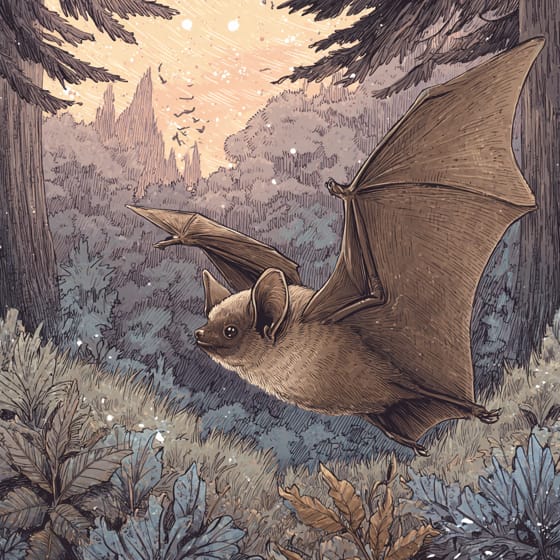
Myotis lucifugus
Adult moths are prey for bats.
.jpg&width=800)
Sitta carolinensis
Birds may prey on caterpillars or pupae.
Compsilura concinnata
Larvae of this fly can parasitize caterpillars.
Wildlife encompasses all undomesticated animal and plant life existing in their natural habitats.
Camouflaged describes organisms that possess coloring or patterns that allow them to blend into their environment.
Colorful describes organisms or objects displaying a wide range of bright and distinct colors.
This trait characterizes organisms whose diet consists entirely or primarily of plant material.

This trait signifies organisms belonging to a very old evolutionary group with ancestors dating back millions of years.

Forest habitats are terrestrial environments dominated by dense tree cover, supporting a high diversity of plant and animal life.

Nocturnal animals are primarily active during the nighttime hours, typically resting or sleeping during the day.

Describes organisms that transfer pollen, enabling the fertilization and reproduction of plants.
Danger
2/5 · Low
Do not touch or pick up. Some insects sting or bite. Ask an adult for help.
The easiest way to identify Polyphemus Moth is to use the Snappit nature identifier app.
100-150 mm
30-40 mm
7-14 days
As adults, they don't eat at all, living off stored energy from their caterpillar stage!
Forests and gardens
Foraging
6
Zoom in to split clusters and explore where this object has been snapped.
Jun 15, 2026
Blackstone Boulevard–Cole Avenue–Grotto Avenue Historic DistrictPhoto attribution
(c) Alan Kneidel, some rights reserved (CC BY)
License: CC BY 4.0 ↗
Image may be shown cropped inside the card frame.
Jun 3, 2026
Cornell Botanic GardensPhoto attribution
no rights reserved
License: CC0 1.0 ↗
Image may be shown cropped inside the card frame.
Jun 3, 2026
Bellport Village Historic DistrictPhoto attribution
(c) David LaMagna, some rights reserved (CC BY)
License: CC BY 4.0 ↗
Image may be shown cropped inside the card frame.
Jul 5, 2024
Nyack Ranger Station Historic DistrictPhoto attribution
(c) Rich Sommer, some rights reserved (CC BY)
License: CC BY 4.0 ↗
Image may be shown cropped inside the card frame.

Ontario, CA
You might spot Canada Jay, American Beaver, and Black-Capped Chickadee.
View guide →

Massachusetts, US
You might spot Eastern White Pine and Common Eastern Bumble Bee.
View guide →

Michigan, US
You might spot Eastern Gray Squirrel, Tree-Of-Heaven, and House Sparrow.
View guide →

Massachusetts, US
You might spot Common Eastern Bumble Bee and Eastern Skunk Cabbage.
View guide →

Rhode Island, US
You might spot Spotted Lanternfly, Duck, and American Robin.
View guide →

Rhode Island, US
You might spot Spotted Lanternfly, Duck, and American Robin.
View guide →
Take the discovery with you
Snap it with Snappit to identify it, learn what makes it special, and add the discovery to your collection.









.jpg&width=800)


