





Painted Lady
Vanessa cardui
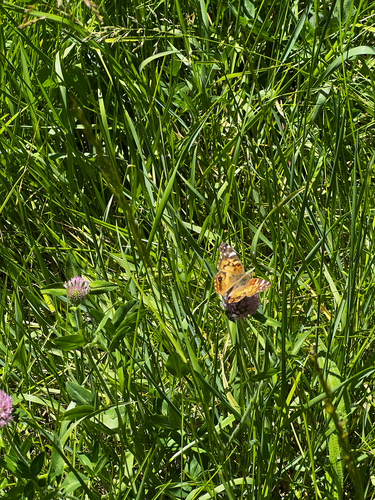
The Painted Lady is a colorful butterfly with orange and black patterns. It loves to visit flowers to drink sweet nectar!
Habitat: Gardens, fields, and grasslands
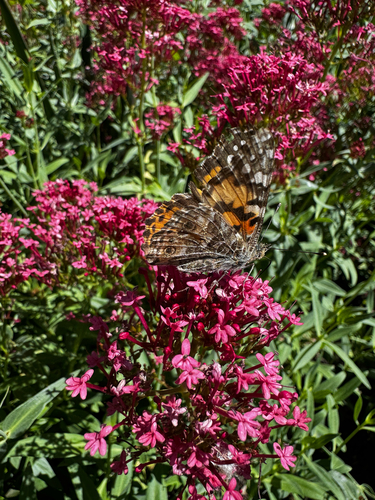
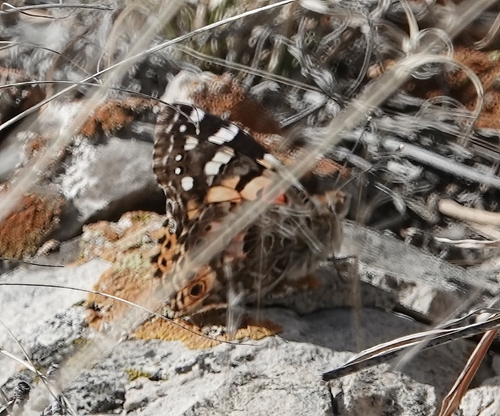
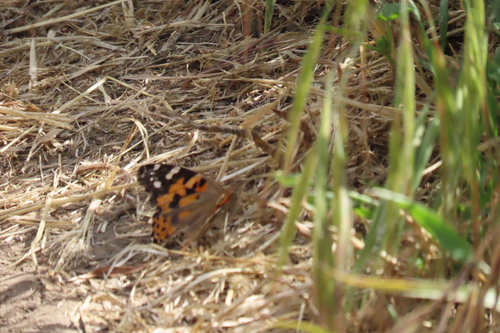
The Painted Lady has orange and black wings, prominently featuring black tips with white spots on its forewings. Its hindwings display a series of black spots, while the underside is a mottled brown and grey, providing excellent camouflage.
Category
InsectsRarity
Common
Danger
2/5 · Low
Snaps
96
Adult Painted Ladies love to 'puddle' by sipping minerals from damp soil or mud puddles.
Some Painted Ladies fly so high, they catch jet streams to travel thousands of miles faster!
The chrysalis of a Painted Lady often has metallic gold spots, making it look like a tiny hanging jewel!
They have a long, tube-like tongue called a proboscis, which unrolls like a party favor to sip nectar.
Painted Lady can fly thousands of miles across continents because of its powerful wings and strong navigational instincts.
Painted Lady has special sensors on its feet that help them taste potential host plants before laying eggs.
Painted Lady has a mottled brown and grey underside that helps them blend perfectly with tree bark or dead leaves.
Painted Lady can complete its life cycle in just a few weeks because of warm climates, allowing many generations per year.
Adults sip nectar from flowers, while caterpillars munch on leaves.
Age differences: Young caterpillars eat leaves, while adult butterflies drink nectar.
Cirsium arvense
Caterpillars feed on leaves for energy to grow.

Asclepias syriaca
Adults visit flowers, transferring pollen.
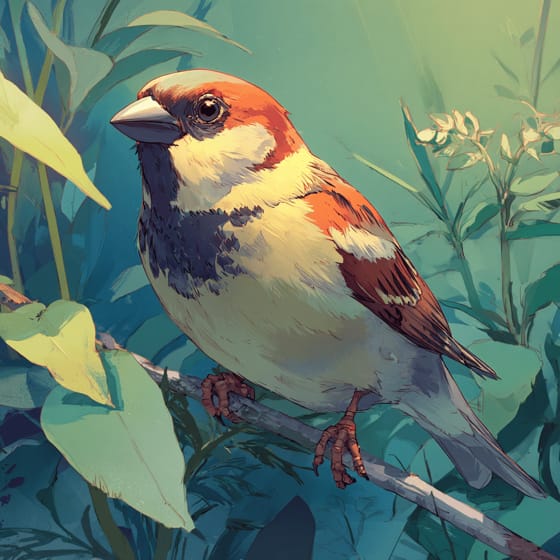
Passer domesticus
Adult butterflies can be prey for birds.

Malva neglecta
Larvae consume leaves as a primary food source.
Wildlife encompasses all undomesticated animal and plant life existing in their natural habitats.
Colorful describes organisms or objects displaying a wide range of bright and distinct colors.
Grassland habitats are terrestrial biomes dominated by grasses and herbaceous plants, supporting a variety of grazing animals.
This trait characterizes organisms whose diet consists entirely or primarily of plant material.

Diurnal animals are primarily active during daylight hours, typically resting or sleeping at night.

Migratory animals undertake seasonal movements from one region to another, typically in response to changes in climate or food availability.

Describes organisms that transfer pollen, enabling the fertilization and reproduction of plants.
Danger
2/5 · Low
Do not touch or pick up. Some insects sting or bite. Ask an adult for help.
The easiest way to identify Painted Lady is to use the Snappit nature identifier app.
50-65 mm
20-25 mm
14-28 days
25 km/h
Adults sip nectar from flowers, while caterpillars munch on leaves.
Gardens, fields, and grasslands
Foraging
Zoom in to split clusters and explore where this object has been snapped.
Jun 2, 2026
Ambler Heights Historic DistrictPhoto attribution
(c) David Bartholow, some rights reserved (CC BY)
License: CC BY 4.0 ↗
Image may be shown cropped inside the card frame.
Jun 1, 2026
Hogle ZooPhoto attribution
(c) Parker James Lloyd, some rights reserved (CC BY)
License: CC BY 4.0 ↗
Image may be shown cropped inside the card frame.
May 18, 2026
Palo Alto Baylands Nature PreservePhoto attribution
no rights reserved
License: CC0 1.0 ↗
Image may be shown cropped inside the card frame.
Apr 12, 2026
Sioux County CourthousePhoto attribution
(c) Colin Croft, some rights reserved (CC BY)
License: CC BY 4.0 ↗
Image may be shown cropped inside the card frame.
Apr 4, 2026
Arroyo Conejo Open SpacePhoto attribution
(c) Kat B, some rights reserved (CC BY)
License: CC BY 4.0 ↗
Image may be shown cropped inside the card frame.

California, US
You might spot Sequoia, California Newt, and Pacific Dogwood.
View guide →

California, US
You might spot Western Fence Lizard and California Brittlebush.
View guide →

Illinois, US
You might spot Brown-Belted Bumble Bee and Eastern Gray Squirrel.
View guide →

California, US
You might spot Monarch, Bee, and Anise Swallowtail.
View guide →

Texas, US
You might spot Anole, Monarch, and Pinkladies.
View guide →

New York, US
You might spot American Robin, Pond Slider, and Northern Cardinal.
View guide →
Take the discovery with you
Snap it with Snappit to identify it, learn what makes it special, and add the discovery to your collection.






.jpg&width=800)



