
Firefly
Photinus pyralis
Fireflies, or lightning bugs, are special insects that light up at night. They use their glow to attract friends and find mates!
Habitat: Wetlands, fields, and gardens
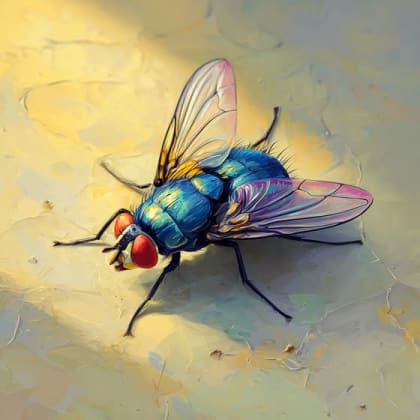
The Firefly is a nocturnal beetle with a soft body, typically dark brown or black, often featuring yellow or reddish markings on its pronotum. Its most distinctive feature is the pale, light-producing organ usually found on the underside of its abdomen, making it easily recognizable.
Category
InsectsRarity
Common
Danger
2/5 · Low
Snaps
2
A firefly's light is 'cold light,' meaning it creates almost no heat at all!
Baby fireflies, called larvae, also glow and are often known as 'glowworms'!
Some female fireflies trick males of other species by mimicking their flash patterns!
There are over 2,000 different kinds of fireflies found worldwide, each unique!
Firefly can glow in the dark because of a special chemical reaction in its tail that helps them find mates.
Firefly larvae can paralyze and eat snails and slugs using a powerful neurotoxin in their bite.
Fireflies can communicate using unique flashing patterns because different species have specific light codes for mating.
Fireflies have bitter-tasting chemicals because it makes predators spit them out, helping them survive.
Firefly larvae are tiny hunters, but adults often sip nectar or don't eat at all!
Age differences: Larvae are predatory, eating small invertebrates, while most adult fireflies feed on nectar, pollen, or don't eat.
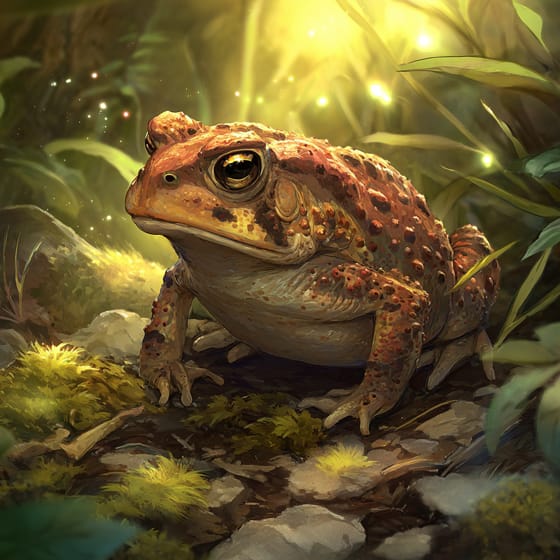
Anaxyrus americanus
Toads are opportunistic predators of adult fireflies.
Helix aspersa
Firefly larvae paralyze and consume garden snails.
Limax maximus
Larval fireflies prey on various slugs, including leopard slugs.
Wildlife encompasses all undomesticated animal and plant life existing in their natural habitats.
This trait identifies organisms whose diet primarily consists of insects and other small invertebrates.
This habitat trait identifies species found in wetlands, which are areas of land saturated with water, either permanently or seasonally, including marshes, swamps, and bogs.
Pertaining to organisms that emit light through bioluminescence or fluorescence.

Nocturnal animals are primarily active during the nighttime hours, typically resting or sleeping during the day.
Danger
2/5 · Low
Do not touch or pick up. Some insects sting or bite. Ask an adult for help.
14-30 mm
7-15 mm
14-28 days
Firefly larvae are tiny hunters, but adults often sip nectar or don't eat at all!
Wetlands, fields, and gardens
Ambush
6
Zoom in to split clusters and explore where this object has been snapped.