



Housefly
Musca domestica
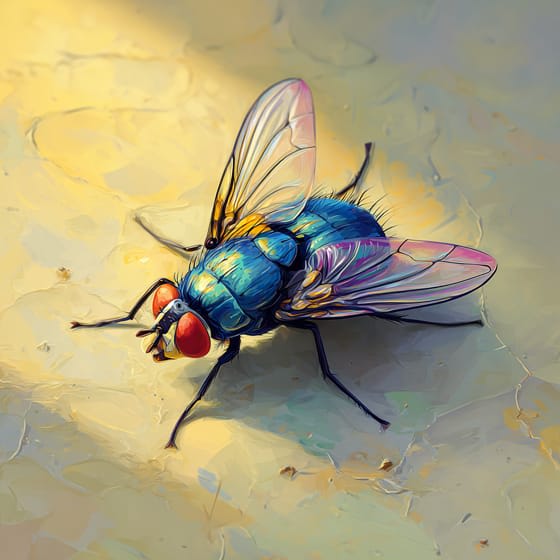
The Housefly is a common insect that buzzes around homes and gardens. They are usually grey and have big eyes!
Habitat: Homes, farms, and gardens
The Housefly has a grey body with four dark stripes on its thorax, and large, reddish-brown compound eyes. Its abdomen is often mottled, and it possesses clear wings. This common fly is distinguished by these prominent thoracic stripes.
Category
InsectsRarity
Common
Danger
2/5 · Low
Snaps
Be the first to snap!
Adult houseflies only live for about 15 to 30 days, a very short lifespan!
Houseflies 'vomit' on food to digest it outside their body!
Houseflies can lay hundreds of eggs at once in decaying food or waste!
Their wings beat over 200 times per second, making that buzzing sound!
Housefly can walk upside down because of tiny claws and sticky pads on its feet, helping them cling to surfaces.
Housefly has huge compound eyes that help them detect movement quickly, allowing them to dodge swatting hands.
Housefly can perform incredible mid-air turns because of specialized wing muscles and tiny balancing halteres.
They love to slurp up sugary liquids and decaying stuff!
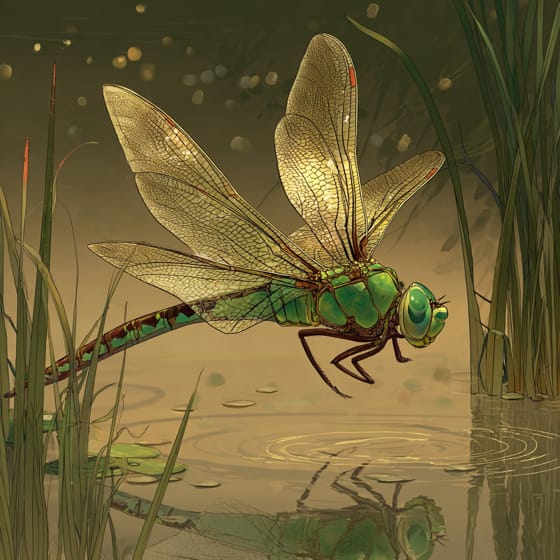
Anax junius
Dragonflies are expert aerial predators of many flying insects.
Spalangia cameroni
Tiny wasps lay their eggs inside housefly pupae.
Oecobius annulipes
Many spiders build webs to catch houseflies.
Wildlife encompasses all undomesticated animal and plant life existing in their natural habitats.
This trait identifies organisms whose diet includes both plant and animal matter.
Scavengers consume dead organic matter, helping to decompose carcasses and other waste in the ecosystem.
This trait characterizes organisms that construct elaborate silken webs for catching prey, shelter, or reproduction.

Diurnal animals are primarily active during daylight hours, typically resting or sleeping at night.

This habitat trait indicates species that can coexist with humans in urban and suburban environments, utilizing man-made structures and green spaces.
Danger
2/5 · Low
Do not touch or pick up. Some insects sting or bite. Ask an adult for help.
The easiest way to identify Housefly is to use the Snappit nature identifier app.
13-15 mm
6-7 mm
15-30 days
8 km/h
They love to slurp up sugary liquids and decaying stuff!
Homes, farms, and gardens
Foraging
Zoom in to split clusters and explore where this object has been snapped.
Recent snaps will appear here as new observations are added.
Take the discovery with you
Snap it with Snappit to identify it, learn what makes it special, and add the discovery to your collection.








.jpg&width=800)




