




Ladybug
Hippodamia convergens
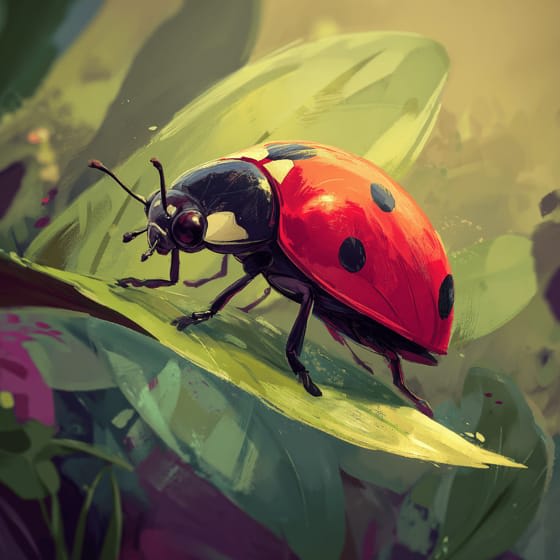
Ladybugs are small, round insects that are usually red with black spots. They love to eat aphids, which makes them helpful for gardens!
Habitat: Gardens, fields, and forests
The Ladybug is a small, dome-shaped beetle, typically bright red or orange with distinct black spots. It has short antennae and six tiny legs. Its vibrant colors serve as a warning to predators, making it easily distinguishable from other insects.
Category
InsectsRarity
Common
Danger
2/5 · Low
Snaps
11
A ladybug's spots can actually fade away as it gets older!
Ladybugs aren't actually bugs; they are a type of beetle!
Some ladybugs don't have any spots on their backs at all!
They often gather in huge groups to stay warm in winter hibernation spots.
Ladybug can eat hundreds of aphids because of their insatiable appetite that helps them keep gardens healthy.
Ladybug can ooze a bitter, yellowish fluid from its legs because of special glands that helps them taste bad to predators.
Ladybug can pretend to be dead by retracting its legs and antennae that helps them fool predators into leaving them alone.
Ladybug can fly many miles to gather in warm places because of their strong wings that helps them survive cold winters.
Ladybugs are tiny insectivores that love to munch on soft-bodied garden pests like aphids!
Age differences: Larvae and adults both primarily eat soft-bodied insects like aphids.
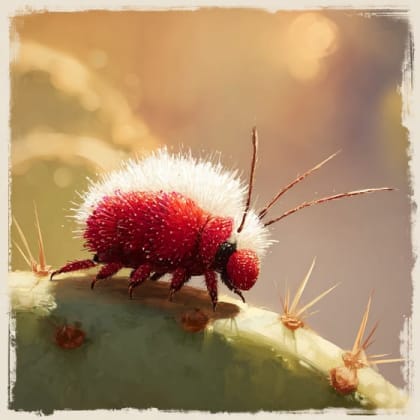
Aphis gossypii
a primary food source
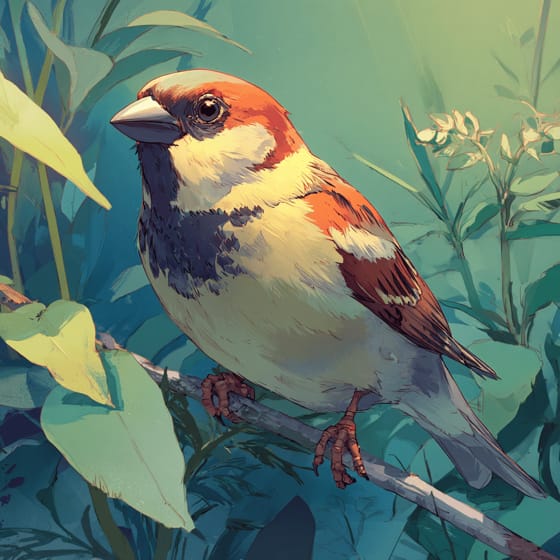
Passer domesticus
a common bird predator
Araneus diadematus
a spider that may prey on them
Dinocampus coccinellae
lays eggs inside the ladybug
Wildlife encompasses all undomesticated animal and plant life existing in their natural habitats.
Colorful describes organisms or objects displaying a wide range of bright and distinct colors.
This trait identifies organisms whose diet primarily consists of insects and other small invertebrates.
Diurnal animals are primarily active during daylight hours, typically resting or sleeping at night.

Describes a species whose presence and role have a disproportionately large effect on its environment.
Danger
2/5 · Low
Do not touch or pick up. Some insects sting or bite. Ask an adult for help.
8-21 mm
4-7 mm
30-365 days
5-10 km/h
Ladybugs are tiny insectivores that love to munch on soft-bodied garden pests like aphids!
Gardens, fields, and forests
Foraging
6
Zoom in to split clusters and explore where this object has been snapped.

North Dakota, US
You might spot Red Fox, Gray Wolf, and Equus Africanus Asinus.
View guide →

New Mexico, US
You might spot African Lion, Cheetahs, and Hippopotamus.
View guide →

Oregon, US
You might spot Oregon Oak and Douglas's Ground Squirrel.
View guide →
Texas, US
You might spot African Lion, Giraffes, and Equus Ferus Przewalskii.
View guide →
.JPG)
California, US
You might spot Cardinal Catchfly and Broad-Leaved Stonecrop.
View guide →
British Columbia, CA
You might spot Hornwort, Silverleaf Phacelia, and Big Rough Fescue.
View guide →