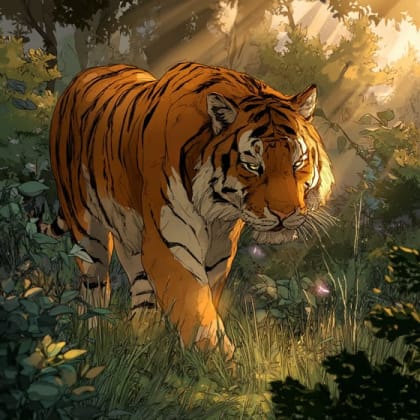





Tiger
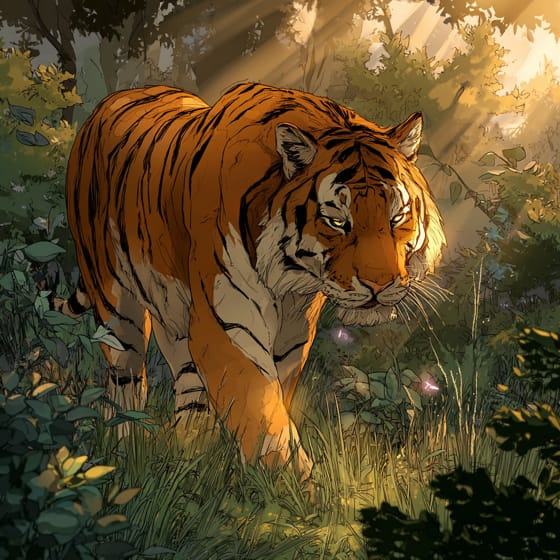
The Dakota Zoo, nestled within Bismarck's scenic Sertoma Park and alongside the beautiful Missouri River, offers a captivating blend of wildlife encounters and educational experiences, making it a perfect destination for families and nature enthusiasts alike.
The Dakota Zoo, nestled within Bismarck's scenic Sertoma Park and alongside the beautiful Missouri River, offers a captivating blend of wildlife encounters and educational experiences, making it a perfect destination for families and nature enthusiasts alike. This accredited, 90-acre facility is home to over 600 animals representing 125 diverse species from around the world, providing an immersive journey into the animal kingdom. Visitors can wander through thoughtfully designed habitats, encountering everything from majestic big cats like the endangered Amur Tiger and elusive Snow Leopards to North American icons such as Grizzly Bears and American Bison.
Beyond the awe-inspiring animals, the Dakota Zoo provides engaging, interactive experiences designed to delight and educate guests of all ages. Explore the Bismarck Tribune Discovery Center, where you can marvel at reptiles, small mammals, fish, and even a honeybee colony, all while enjoying interactive educational displays. Little ones will love the chance to interact with animals in the petting zoo and burn off energy at the playground, while everyone can enjoy a relaxing ride on the miniature train, offering unique views of the park's inhabitants and landscapes.
The zoo's commitment extends to wildlife conservation, participating in global efforts and breeding programs for endangered species, and offering "Wild Happenings" where zookeepers share insights into animal care and conservation. Whether you're looking to connect with nature, learn about different species, or simply enjoy a fun-filled day outdoors, the Dakota Zoo promises a memorable and enriching adventure for every visitor. Explore the grounds like a pro—download the Snappit app to instantly identify animals and plants.
The Dakota Zoo began with the passion of Marc and Betty Christianson, who owned a 67-acre farm on what was then the north edge of Bismarck. Initially a boarding facility for domestic animals, the farm gradually became a refuge for stray and injured wildlife. As word spread and the collection of animals grew, so did public interest, with school buses regularly visiting the farm. Motivated by public support, Marc Christianson presented the concept of a self-supporting community zoo to the Bismarck Park Board, which allocated 88 acres in Sertoma Park in 1958. The Dakota Zoo officially opened its gates on June 3, 1961, with 75 mammals and 23 birds on 15 developed acres, welcoming 40,000 visitors in its first year. The zoo remains self-supporting, relying on admissions, concessions, memberships, and donations, and has been proudly accredited by the Association of Zoos and Aquariums (AZA) since 1991, signifying its commitment to high standards of animal care and conservation.
Explore the diverse animal exhibits, ride the miniature train, engage with the animals at the petting zoo, let kids play at the playground, and attend scheduled "Wild Happenings" for interactive experiences. Grab a bite at the concession stand or an ice cream parlor, and browse the Antler Trading Post gift shop. Consider a "Wild EncounTOUR" for an exclusive behind-the-scenes experience.
Spring/Fall: Animals are often more active in cooler temperatures. Summer: Enjoy longer hours and special events like concerts and zookeeper chats, but be prepared for potential heat and larger crowds. Winter: The zoo takes on a tranquil, magical atmosphere with snowy landscapes, though some animals may be less visible. Wild Happenings continue with two presentations daily.
The Dakota Zoo is handicap accessible with paved paths throughout. It features accessible entrances, wheelchair-accessible parking, restrooms, and seating. Wheelchairs are available for rent at the admissions window, and the miniature train is also handicap accessible. Service animals are permitted in public areas but not in behind-the-scenes tour areas. Restrooms are equipped with changing tables.
Part of the Jack & Joyce Schuchart Big Cat Complex, offering views of these majestic predators.
A popular North American exhibit where you can see these powerful bears.
Encounter these engaging birds, which are part of an endangered species program.
A lively and interactive habitat, also highlighting conservation efforts for the black-footed ferret.
Each card links to a full Explore page with photos, traits, and fun facts.
Start with the big picture, then zoom in to explore individual wildlife observations around this place.
Wear comfortable shoes
You'll be doing a fair amount of walking, so comfortable footwear is essential.
Stay hydrated
Bring a refillable water bottle, especially during warmer months. Water fountains are available throughout the zoo.
Take your time
Don't rush through the exhibits; take moments to observe the animals' natural behaviors for a richer experience.
Check the weather
The zoo is mostly outdoors, so dress in layers and be prepared for varying weather conditions.
Visit on a weekday morning
To avoid crowds and enjoy a more personal experience with the animals, consider visiting on a weekday, particularly in the morning.
Attend "Wild Happenings"
These daily keeper talks and training demonstrations offer fascinating insights and interactive learning opportunities.
No outside animal food
Remember that outside food for animals, plastic bags, and straws are not allowed for the safety of the zoo's residents.
Feb 8, 2026
Dec 26, 2025
Dec 21, 2025
Dec 21, 2025
Dec 21, 2025

Michigan, US
You might spot African Lion, Komodo Dragon, and Brown Bear.
View guide →
.jpg)
Municipal District of Cobh, IE
You might spot Ring-Tailed Lemur, Giraffes, and Cheetahs.
View guide →

Nouvelle-Aquitaine, FR
You might spot Greater Flamingo, Giraffes, and Red Panda.
View guide →

Texas, US
You might spot Giraffes, African Lion, and Eastern Black Rhinoceros.
View guide →
Take the discovery with you
Identify the wildlife you spot, learn as you go, and keep a collection of the adventure.