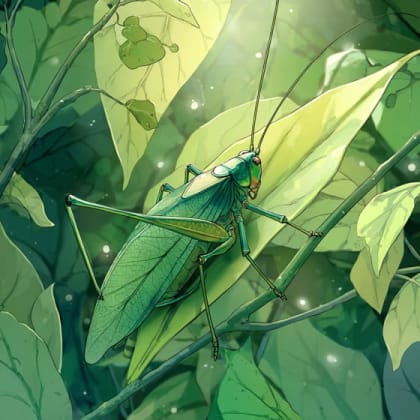
Snakefly
Baissoptera
Snakeflies are unique insects that have long necks and look a bit like snakes! They are often found in gardens.
Habitat: Gardens and forests
The Snakefly has a distinctive long, narrow 'neck' formed by its prothorax, giving it a snake-like appearance. They typically feature two pairs of clear, heavily veined wings and a slender, dark brown or black body. Their prominent head has large eyes.
Category
InsectsRarity
Rare
Danger
2/5 · Low
Snaps
Be the first to snap!
Adult snakeflies do not eat solid food; they drink nectar and water for energy.
Snakeflies are ancient insects, appearing on Earth even before dinosaurs roamed!
Their larvae are fierce predators, living hidden under tree bark, hunting other insects.
They are called "snakeflies" because their long, flexible neck allows wide head movement!
Snakeflies can swivel their long 'neck' and head around, which helps them spot and capture prey from various angles.
Snakefly larvae live hidden under tree bark, using their flat bodies to stalk and ambush insects in tight spaces.
Female snakeflies have a long ovipositor that allows them to lay eggs deep in tree bark crevices, protecting them.
Both young and adult snakeflies are tiny insect hunters, making them great pest controllers!
Age differences: Larvae hunt insects under bark, while adults also hunt but add nectar and pollen to their diet.
Pissodes strobi
Snakefly larvae prey on larvae of this forest pest.
Aphis fabae
Adult snakeflies actively hunt these soft-bodied insects.
Parus major
Forest birds often catch adult snakeflies.
Wildlife encompasses all undomesticated animal and plant life existing in their natural habitats.
Solitary animals live alone for most of their lives, only interacting with others for mating or parental care.
Arboreal animals live primarily in trees, utilizing them for shelter, food, and protection from predators.
Camouflaged describes organisms that possess coloring or patterns that allow them to blend into their environment.

This trait identifies organisms whose diet primarily consists of insects and other small invertebrates.

Forest habitats are terrestrial environments dominated by dense tree cover, supporting a high diversity of plant and animal life.

Nocturnal animals are primarily active during the nighttime hours, typically resting or sleeping during the day.
No aliases listed yet.
Danger
2/5 · Low
Do not touch or pick up. Some insects sting or bite. Ask an adult for help.
20-50 mm
10-30 mm
14-60 days
3 km/h
Both young and adult snakeflies are tiny insect hunters, making them great pest controllers!
Gardens and forests
Foraging
6
Zoom in to split clusters and explore where this object has been snapped.
Recent snaps will appear here as new observations are added.