




Water Lily
Nymphoides peltata
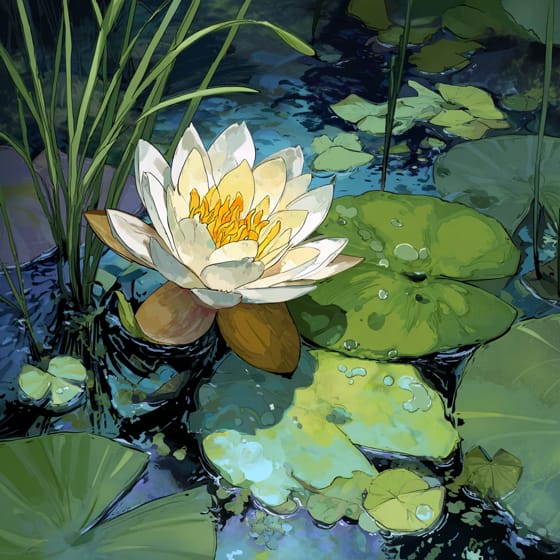
Water lilies are pretty flowers that float on water. They have big, round leaves and can be white, pink, or yellow!
Habitat: Ponds and lakes
The Water Lily has round, leathery, green leaves that float flat on the water's surface. Its vibrant yellow, star-shaped flowers with delicate fringed petals rise just above the water, creating a striking contrast against the dark water.
Category
PlantsRarity
Common
Danger
1/5 · Very low
Snaps
Be the first to snap!
Butterflies and bees love sipping nectar from their sunny, bright yellow blossoms!
Some water lily seeds can stay alive for over a century before sprouting!
Their thick, waxy leaves have tiny pores called stomata on top for breathing!
Water lily roots help anchor the soil, preventing it from washing away in water!
Water Lilies have broad, flat leaves that float to capture maximum sunlight, helping them grow bigger and faster.
Its delicate flowers gracefully open with the morning sun and close at night, protecting their parts from evening dew.
This plant spreads quickly underwater using creeping rhizomes, allowing it to colonize new areas and create dense patches.
Fulica atra
eats plant parts
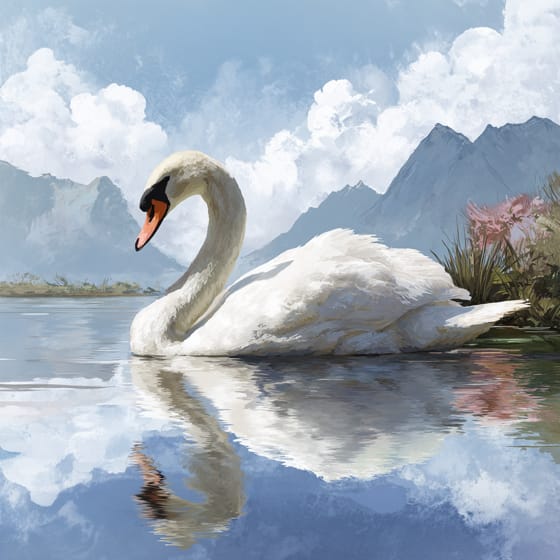
Cygnus olor
grazes on aquatic vegetation
Galerucella nymphaeae
larvae and adults feed on leaves
Apis mellifera
gathers nectar and pollen
Rana temporaria
rests and hunts among leaves
Flowering plants are any plants that produce flowers as part of their reproductive cycle.
Shade tolerant plants are adapted to grow and thrive in areas with low light levels, requiring less direct sunlight.
Broadleaf trees are angiosperms characterized by flat, wide leaves that are typically shed annually in temperate climates.
Fragrant flowers emit a pleasant aroma, often to attract pollinators or for defense.

This habitat trait identifies species found in wetlands, which are areas of land saturated with water, either permanently or seasonally, including marshes, swamps, and bogs.

Aquatic habitats encompass environments where organisms live predominantly in water, including oceans, rivers, lakes, and wetlands.
Danger
1/5 · Very low
Explore with care and ask an adult if you’re unsure what to do.
5-10 cm
30-100 cm
2-4 cm
Summer
No
None
Perennial
Insect
Zoom in to split clusters and explore where this object has been snapped.
Recent snaps will appear here as new observations are added.