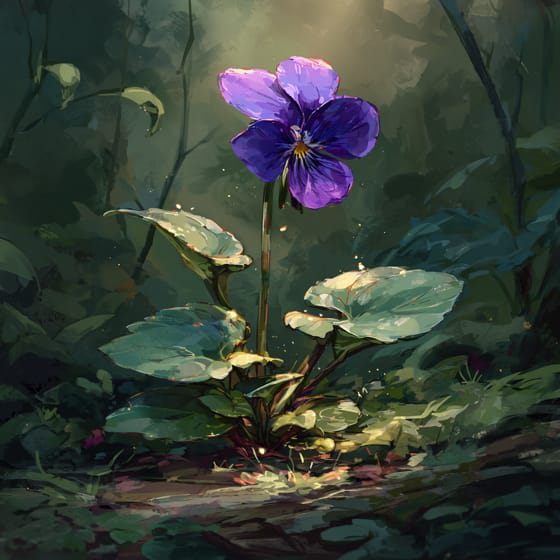





Violets
Viola
Violets are beautiful little flowers that come in many colors, like purple, blue, and white. They often bloom in spring and can be found in gardens and meadows, adding color to the world!
Habitat: Meadows and gardens
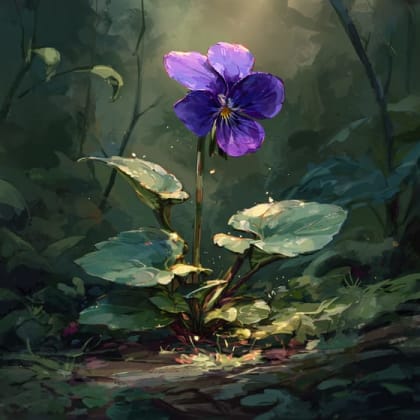
The Violets has delicate, five-petaled flowers, most commonly deep purple, but also appearing in white or yellow. Its heart-shaped leaves form low-growing clumps, making it easy to spot this charming groundcover.
Category
PlantsRarity
Common
Danger
1/5 · Very low
Snaps
3
Ancient Greeks used violets to sweeten food and even make special wines!
Ripe violet seed pods can explosively launch their seeds a short distance!
Some violets can change their flower color based on soil acidity!
The word 'violet' comes from the Latin word 'viola', meaning purple!
Violets produce self-pollinating flowers near the ground, ensuring seeds even when pollinators are scarce.
Violets' seeds have a fatty treat for ants, which helps the plant spread its seeds widely.
Violets can thrive in dappled shade, helping it grow well in forests where sunlight is limited.
Myrmica rubra
Ants carry seeds, helping them spread.
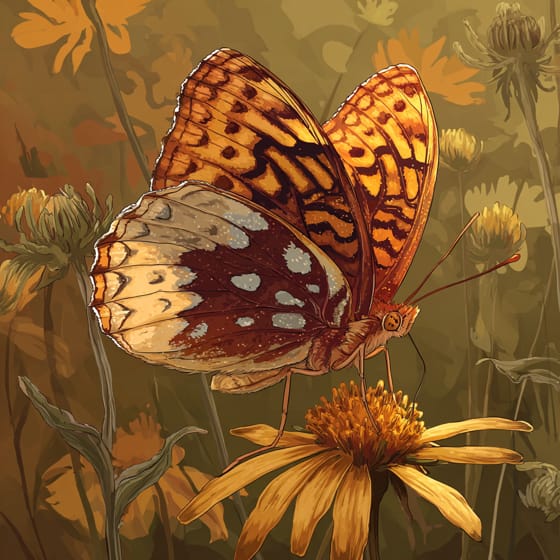
Speyeria cybele
Larvae feed on violet leaves.
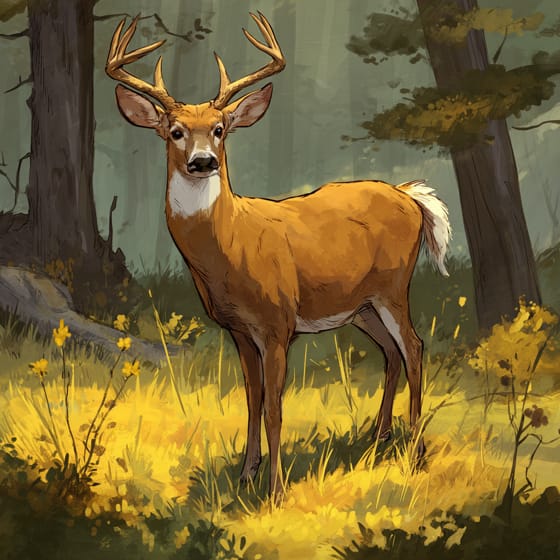
Odocoileus virginianus
Deer browse on tender violet leaves.
Apis mellifera
Bees collect nectar and pollen from flowers.
Flowering plants are any plants that produce flowers as part of their reproductive cycle.
Biennial plants complete their life cycle over two growing seasons, typically forming foliage in the first year and flowering/seeding in the second.
Shade tolerant plants are adapted to grow and thrive in areas with low light levels, requiring less direct sunlight.
Spring blooming plants produce their flowers during the spring season, often signifying the end of winter and the start of new growth.

Fragrant flowers emit a pleasant aroma, often to attract pollinators or for defense.

Edible plants are those parts of a plant that are considered safe for human consumption.

Describes plants that are particularly attractive and beneficial to a wide range of pollinating organisms.
Danger
1/5 · Very low
Always check with an adult before touching or picking flowers.
The easiest way to identify Violets is to use the Snappit nature identifier app.
10-20 cm
10-25 cm
1-2.5 cm
Spring to early summer
Yes
None
Perennial
Zoom in to split clusters and explore where this object has been snapped.
New York, US
You might spot African Elephant, Southern White Rhinoceros, and Giraffes.
View guide →
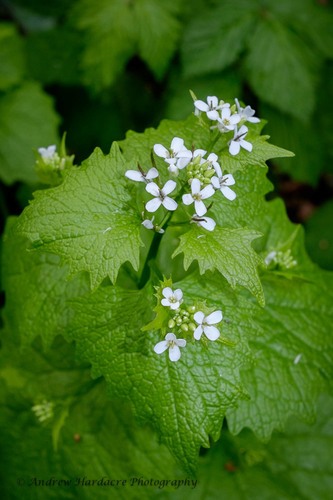
Virginia, US
You might spot Garlic Mustard, Violets, and Wineberry.
View guide →
.jpg)
South Dakota, US
You might spot Leopard Frog, Red-Winged Blackbird, and Dame's Rocket.
View guide →
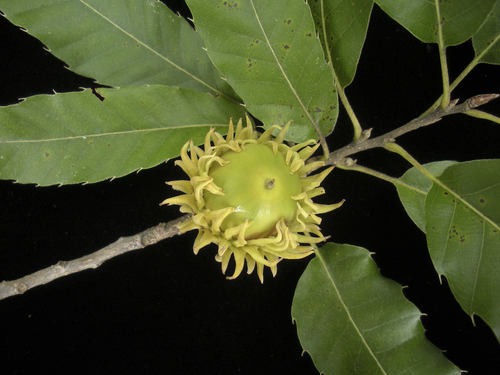
Virginia, US
You might spot Sawtooth Oak, Wineberry, and Blue Mistflower.
View guide →
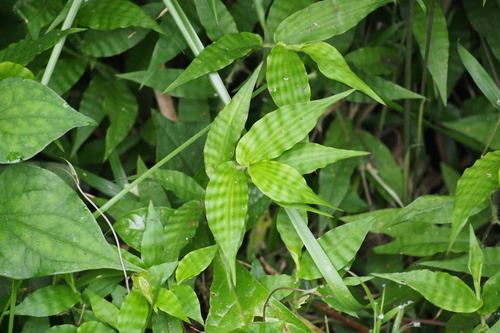
Virginia, US
You might spot Wavyleaf Basketgrass and Asian Jumpseed.
View guide →
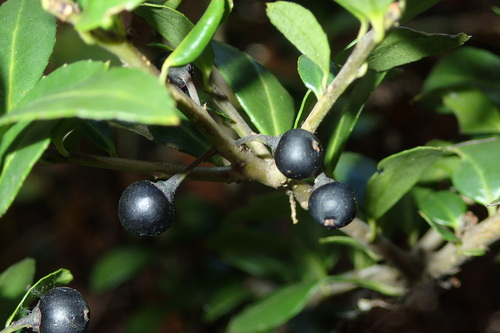
Virginia, US
You might spot Japanese Holly, Asian Jumpseed, and Violets.
View guide →
Take the discovery with you
Snap it with Snappit to identify it, learn what makes it special, and add the discovery to your collection.









.jpg&width=800)


_001.jpg&width=800)


