



Platypus
Ornithorhynchus anatinus
The platypus is a unique mammal that lays eggs and has a duck-like bill. They are excellent swimmers with webbed feet and a waterproof fur coat.
Habitat: Freshwater
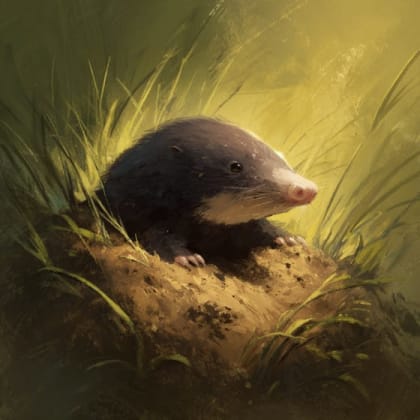
The Platypus has a sleek, streamlined body covered in dense, brown fur that stays dry underwater. It features a distinct, rubbery, duck-like bill and broad, webbed front feet. Its flat, beaver-like tail is used for storing fat.
Category
MammalsRarity
Rare
Danger
2/5 · Low
Snaps
Be the first to snap!
Platypus fur is so dense it traps air to stay dry and warm underwater!
Platypuses are one of only two mammals known to glow under UV light!
They use cheek pouches to store snacks found underwater before surfacing to eat!
When diving, Platypus closes its eyes, ears, and nose with special folds!
Platypus can find prey in murky water because its sensitive bill detects tiny electric signals from other animals.
Male Platypus can deliver a powerful, painful sting with a venomous spur found on each of its hind legs.
The Platypus has the unique ability to lay eggs, making it one of only a few mammals that don't give live birth.
The Platypus has webbed front feet that can retract, helping it swim powerfully, then walk easily on land.
They feast on small creatures they find by foraging underwater in rivers and streams.
Haliaeetus leucogaster
eats platypus if opportunity arises
Canis dingo
can prey on platypus near water
Cherax destructor
hunts and eats these crustaceans
Characterized by having toes connected by a membrane, typically aiding in swimming.
This trait signifies organisms belonging to a very old evolutionary group with ancestors dating back millions of years.
This trait identifies organisms whose diet consists entirely or primarily of animal tissue.
This trait describes organisms capable of generating electric fields or electric shocks.

Freshwater habitats include non-saline aquatic environments such as rivers, lakes, ponds, and wetlands, vital for numerous species.

Vampiric organisms are those that obtain nutrients by feeding on the blood or bodily fluids of other animals.

Nocturnal animals are primarily active during the nighttime hours, typically resting or sleeping during the day.

Venomous organisms produce toxins that are injected into another animal, typically through a bite or sting.
Danger
2/5 · Low
Platypuses are shy creatures, so it's best to observe them from a distance in their natural habitat.
30-45 cm
0.7-2.4 kg
10-17 years
5.4 km/h
They feast on small creatures they find by foraging underwater in rivers and streams.
Freshwater
Foraging
1-3
Zoom in to split clusters and explore where this object has been snapped.
Recent snaps will appear here as new observations are added.