






Pufferfish
Tetraodontidae
Pufferfish are cute fish that can puff up like a balloon when they feel scared. They have spiky skin and move slowly in the water. Pufferfish come in different colors and patterns.
Habitat: Coastal areas
The Pufferfish has a rounded to oval body, often covered in spines, with a large head and prominent eyes. They typically display mottled patterns of green, brown, yellow, or grey. Their most striking visual feature is their ability to inflate into a ball.
Category
FishRarity
Common
Danger
3/5 · Moderate
Snaps
Be the first to snap!
Chefs in Japan carefully prepare deadly pufferfish as a delicacy called Fugu.
Pufferfish are one of the few fish species that can actually blink their eyes!
The poison in one pufferfish can be 1,200 times deadlier than cyanide!
Their four teeth are fused into a powerful, parrot-like beak!
Pufferfish can inflate their bodies by rapidly swallowing water or air because it makes them look much bigger and spiky to predators.
Pufferfish has deadly tetrodotoxin in its organs and skin that helps them deter predators by making them highly poisonous if eaten.
Pufferfish has a powerful, beak-like mouth that helps them crush hard-shelled prey like crabs, clams, and sea urchins.
Pufferfish can maneuver precisely using small, rapidly oscillating fins because it allows for agile movement around reefs and obstacles.
Pufferfish munch on crunchy shells, crabs, and algae with their strong beaks.
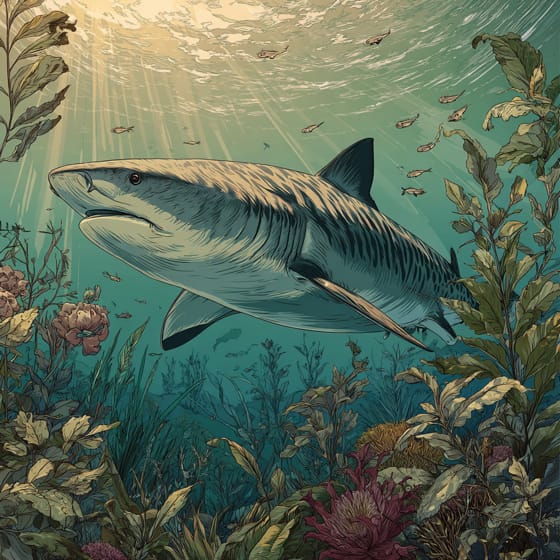
Galeocerdo cuvier
Larger sharks occasionally prey on pufferfish.
Portunus pelagicus
Many pufferfish species actively hunt various crabs.
Diadema setosum
Pufferfish help control sea urchin populations on reefs.
Camouflaged describes organisms that possess coloring or patterns that allow them to blend into their environment.
Piscivorous organisms are animals that primarily subsist on a diet of fish.
Possessing sharp, pointed projections or spines on the body or surface.
Coastal habitats are dynamic environments located along the interface between land and sea, influenced by tides, waves, and saltwater.

Aquatic habitats encompass environments where organisms live predominantly in water, including oceans, rivers, lakes, and wetlands.

Poisonous organisms produce toxins that can cause harm when ingested, inhaled, or absorbed through contact.

Nocturnal animals are primarily active during the nighttime hours, typically resting or sleeping during the day.

Venomous organisms produce toxins that are injected into another animal, typically through a bite or sting.
Danger
3/5 · Moderate
Admire pufferfish from a distance as some species are poisonous if touched or eaten.
10-60 cm
0.1-5 kg
4-10 years
Pufferfish munch on crunchy shells, crabs, and algae with their strong beaks.
10 km/h
Coastal areas
Foraging
100 m
Zoom in to split clusters and explore where this object has been snapped.
Recent snaps will appear here as new observations are added.















